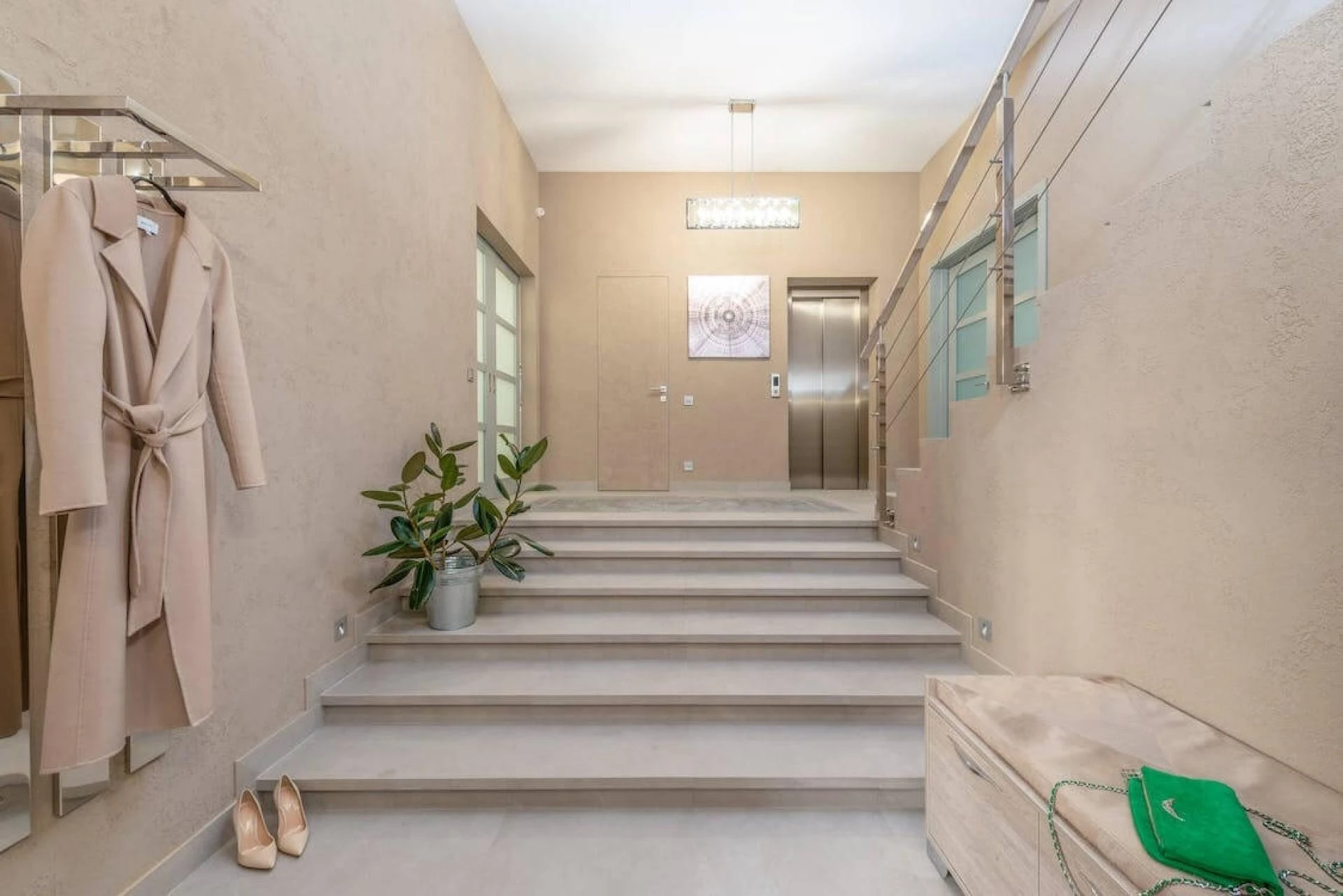

If the home you are purchasing has a residential elevator, you’ll find it can be a great asset providing you know what you have and the responsibilities associated with it.
Here we look at the benefits of owning a home with a lift, along with some important considerations regarding maintenance and upkeep.
Benefits of Having a Lift
If the home is multi-storied, there are several benefits to having an elevator rather than a traditional staircase. These include:
Access – If you’re elderly, have a mobility issue, have small children, or just need to move heavy objects around your home, then a lift is much more practical than stairs.Safety – A staircase can present a variety of potential hazards such as tripping, falling, and health issues due to over-exertion. A lift provides fast, easy access from one floor to another without any risk to your health.Value – An elevator can be an attractive feature for potential buyers. So not only will it add value to your home, but it will also make it more saleable down the track if you ever decide to relocate.Style – There is something quite decadent and luxurious about having your very own home elevator and if you are fortunate enough to have one, you are bound to be the envy of your friends, family, and visitors to your home. A lift can also be fun. For instance, it can be themed to suit your taste with décor reflecting anything from a tropical jungle to a seaside motif.
Things to Consider
When considering buying a home with a lift, be sure to do your homework because as well as the benefits listed above, there may be certain requirements associated with its upkeep.
Type of Elevator
Hopefully the home’s previous owner will have left a service record and manual relating to your lift which will tell you the manufacturer, model, serial number, and type of operating system (pneumatic, hydraulic, electrical, etc.).
If not, there should be inspection plates on the elevator that will give you the information you need. You will also need to know if there is a machine room (control centre) and if it is easily accessible for maintenance purposes.
Age of Elevator
The information you have on your elevator should also include the year of manufacture. This is important because if your elevator is an older model, it may be nearing the end of its life cycle. Even if it is well maintained, an older lift will require more maintenance, use more energy and replacement parts will be harder to source.
Don’t let this put you off, however. Get professional advice prior to making any decision.
Inspection Requirements
Depending on where you live, there may be regulations regarding residential elevators that you will need to follow. These may include having your elevator regularly inspected by a certified authority to ensure it conforms to all requirements.
Insurance
Prior to buying the house, you should speak to your insurance provider about how the elevator will be covered in your home and contents insurance and the level of coverage you will need. Also, try to find out if your elevator is still under warranty as this can be very helpful with any future repair costs.
Maintenance
Regardless of how old or what model your elevator is, the fact is it’s going to require regular maintenance to keep it running safely and efficiently. So it’s very important to make sure you find a suitable lift maintenance provider. Qualities to look for include:
Reliable – are they available when you need them including after hoursAffordable – are their maintenance fees reasonable and are there any hidden costs or feesProfessional – do they have the necessary qualifications and are they up to date with current technologies and best practice methods.Well-resourced – do they have access to replacement parts and is their supply chain reliable.Trustworthy – is their service fully transparent and can they provide testimonials from satisfied customers? It is always a good idea to do an online search to see what comes up.Safety features
While elevators are much safer than stairs, they still require certain safety features in case of a power outage, fire or malfunction. There should be some sort of communication device such as a telephone, alarm button or intercom inside the elevator for getting assistance in the event of an emergency. There should also be a manual override should the electronics or mechanics malfunction.
If such safety features are not in evidence, this could be a bargaining chip when purchasing the home as a safety upgrade would be required.
As with owning and maintaining any large asset such as a spa or swimming pool, there will be some expenses related to having a home elevator. But if you address the above considerations, you will hopefully minimize the cost of ownership and enjoy a wonderful asset that very few people have access to.
























Sign in to leave a comment.