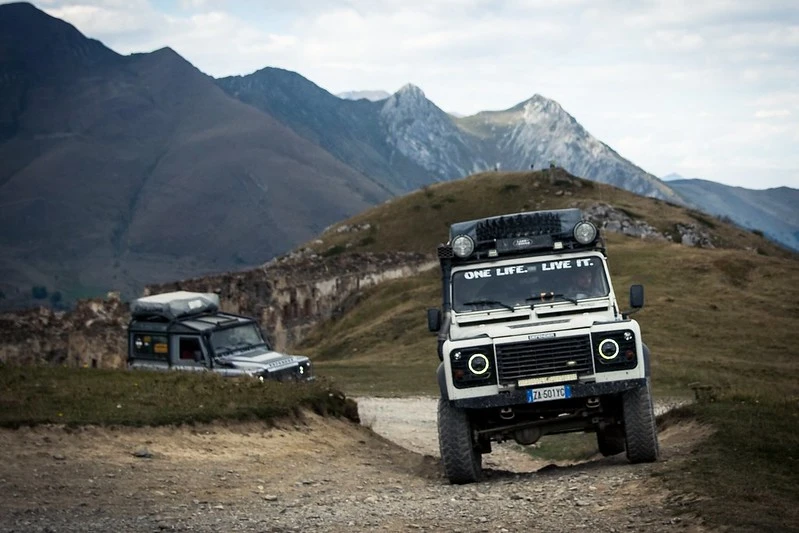

Are you new to off-roading? There is more to this exciting sport than owning a 4x4 rig. Owning a powerful SUV or truck and knowing how to drive it is simply not enough. Check out these must-have off-roading modifications and helpful tips like planning your trip and preparing your rig for the adventure of a lifetime.
Tip #1 Plan in advance
Study the trail that you have chosen. Check if your rig can handle the terrain. Always check the weather conditions on the day of your trip. If you are going away overnight, check if there is a camping site or any accommodation near your trail.
Tip #2 Never go to the trail alone
Tell a friend about your trip. It’s important to share details about your trip with others, such as the location, the date you will be leaving, and the date you are heading home. You never know when you’ll need help. Avoid heading out to the trail alone. Always travel with another off-roader or in groups in case you meet difficulties on the trail, that way you can help each other out.
Tip #3 Prepare basic essentials
Never go to a trail empty-handed. Bring basic essentials such as food and water, extra clothes, a map or a GPS device, a flashlight with extra batteries, a smartphone, a portable charger that you can use to charge your gadgets, and a first aid kit containing essential medicines, in case of an emergency. Don’t forget to bring toiletries like hand wipes/tissue, or soap and water to clean yourself in case things get messy while off-roading.
Tip #4 Prepare your vehicle for the trip
Make sure that your rig is in good condition before you leave for the trip. Never leave without a full gas tank and sufficient battery level. Check the engine condition. Make sure that the hoses are intact and the filters aren’t dirty. Have an oil change if necessary. Check other fluids like the coolant, brake fluid, and transmission fluid. Check your tires to make sure they have sufficient air pressure. Take a look at the rig’s suspension system. The ball joints, shock absorbers, tie rod ends, and wheel bearings should all be in good condition.
Tip #5 Bring extra fuel, tools, and other emergency essentials
Bring extra fuel. Remember to place it in a non-flammable container. Remember that trails are usually in the middle of nowhere, without access to any nearby gas stations. Bring extra water for the radiator. Bring essential tools/equipment such as: Spare tire and a tire repair kit Carjack Toolbox – Should contain essential car tools such as a hammer, screwdrivers, wrenches, pliers, sockets, and bolts and nuts. Fire extinguisher Portable air compressor Shovel Tow rope Extra rope or steel winch cable Glass cutter and seat belt cutter - This can be used if the seat belt gets stuck or when the rig’s windows and doors are jammed. Two-way radio – Serves as a primary communication device among off-roaders. You cannot always rely on your smartphones while on the trail as there is a big possibility that there is no cellphone signal at your location.
Tip # 5 Do a visual survey on the location
Once in the vicinity, familiarize yourself with your surroundings by inspecting the terrain and talking to locals.
Tip # 6 Do not Overspeed on the trail
Slow down. You are not on a race track. Maintain a safe distance between rigs to give off-roaders enough space to maneuver.
Tip # 7 Stay with your group
Do not explore on your own. Stay on the trail with your group to avoid getting lost.
Tip # Respect the environment
Clean up after yourself. Collect your trash and do not dispose of it on any part of the trail—be respectful of environmental rules. Do not disturb the wildlife. Be aware of the animals on the trail. Respect their space and their natural habitat.
What mods do you need to install on your 4x4?
Performance air filters - Harmful debris can enter the engine while off-roading. Performance air filters perform better than stock air filters and are proven to filter even the tiniest particles. Snorkels – This mod is installed on the air intake. It can prevent elements like dust, mud, and water from entering the engine. Off-road lights – Visibility is one of the top concerns of adventurers when it comes to nighttime off-roading. Installing off-road lights such as floodlights and led light bars allows them to see blind corners and other potential trail hazards you can encounter during the dark. Skid plates – These are protective plates installed on the underbody of a vehicle. It shields important vehicle parts like the gas tank, oil pan, differentials, transmission, and transfer case from getting hit by sharp rocks and other elements encountered while off-roading. They come in three materials: aluminum, heavy-duty plastic, and steel. Heavy-duty shocks – Heavy-duty shock absorbers perform better than factory shocks. It allows a rig to maintain good ride quality and handling while tackling even the most extreme road conditions. Suspension lift kits – It provides additional wheel well and ground clearance on the rig, allowing the installation of bigger tires. With increased height, 4x4 vehicles can easily traverse through deep mud, snow, and jagged rocks. Heavy-duty bumpers – Off-roading front and rear bumpers are made of steel. They can protect a vehicle better than stock bumpers. Nerf bars – This exterior upgrade easily allows passengers to enter and exit a rig, particularly those with high ground clearance. Mud Flaps – This simple accessory protects other vehicles on the trail by preventing water, mud, and rocks from splashing behind the rig. Fender flares – An essential off-roading accessory that protects elements like mud and rocks from entering the wheel well. Rock Sliders – Prevents sticks, logs and rocks, and other road debris from entering the sills and sides of a rig. Recovery winches and tow straps – These two are essential in towing and extracting a 4x4 when it gets stuck in deep mud. Roof racks – Allows off-roaders to load heavy equipment like canoes, roof-top tents, and surfboards.
Conclusion
With advance planning, accidents can be avoided from happening on the trail. This will give you time to assess whether your vehicle is off-road worthy and your driving skills are enough to help you tackle extreme terrain. As mentioned earlier, off-roading is a sport that you can not handle alone. It pays to have an experienced off-roader with you while on the trail. Whether you’re off to an easy dirt road or you’ll conquer a remote, rocky trail, you should know what to do and expect the unexpected. Never come to the trail unprepared.










Sign in to leave a comment.