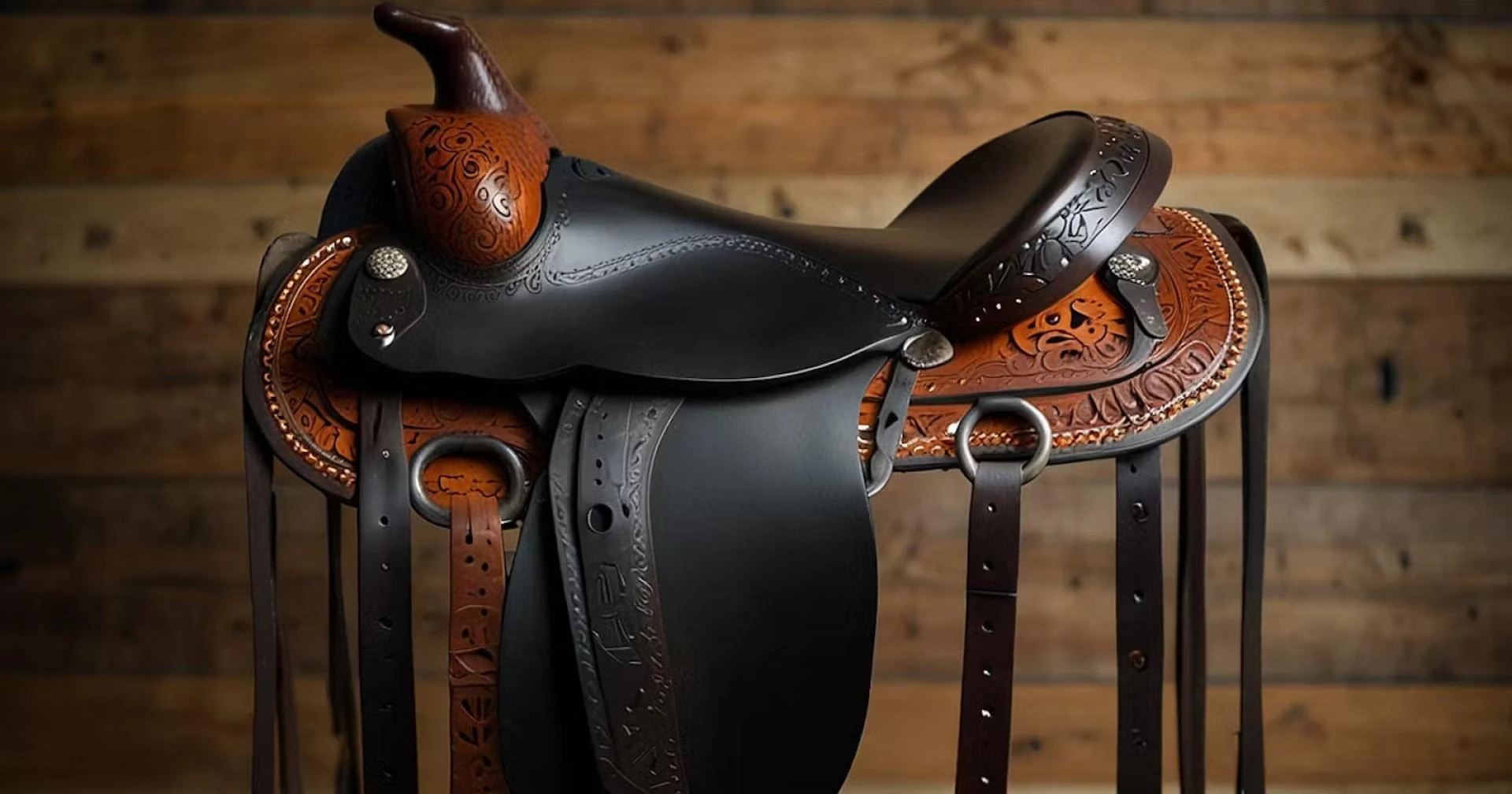

Introducing your child to the world of horseback riding is an exciting and rewarding journey. One of the most crucial investments in this journey is choosing the right saddle. Kids saddles are designed to cater to the specific needs of young riders, ensuring their safety, comfort, and correct riding posture. In this comprehensive guide, we’ll explore the different aspects of kids saddles for sale, including types, materials, sizing, and maintenance. We’ll also answer some frequently asked questions and offer some final thoughts to help you make an informed decision.
Understanding Kids Saddles
Why Kids Saddles Are Important
Choosing the right saddle for your child is essential for several reasons:
- Safety: A properly fitted saddle prevents accidents and injuries by providing the necessary support and stability.
- Comfort: Comfort is crucial for both the rider and the horse. An ill-fitting saddle can cause discomfort, leading to poor riding habits and potential injuries.
- Skill Development: A good saddle helps young riders develop correct posture and balance, which are critical for their growth in the sport.
Types of Kids Saddles
Western Saddles: Known for their deep seats, high cantles, and prominent horns, Western saddles are ideal for long rides and activities like trail riding and rodeo events. They offer excellent support and stability, making them a great choice for beginners.
English Saddles: Lighter and designed for disciplines such as jumping, dressage, and eventing, English saddles feature a flatter seat and no horn, promoting close contact with the horse. These saddles help young riders develop a good riding posture and improve their skills.
Pony Saddles: Specifically designed for smaller horses or ponies, these saddles come in both Western and English styles. They are sized to fit both the pony and the child, ensuring comfort and control.
Materials Used in Kids Saddles
Leather: Leather saddles are highly durable and provide a classic look. They require regular maintenance but are valued for their strength and longevity.
Synthetic: Synthetic saddles are lighter and easier to maintain compared to leather saddles. They are often more affordable and come in various colors, which can be appealing to children.
Combination: Some saddles combine leather and synthetic materials to offer a balance of durability and low maintenance.
How to Choose the Right Kids Saddle
Assessing Your Child’s Needs
Before making a purchase, consider the following factors:
- Riding Discipline: Determine the type of riding your child will be doing, as different disciplines require different saddle styles.
- Rider’s Experience: Beginners may benefit from more supportive saddles with deeper seats, while experienced riders might prefer saddles that allow greater freedom of movement.
- Horse’s Build: Ensure the saddle fits the horse properly to prevent discomfort or injury.
Trying Before Buying
Whenever possible, have your child try the saddle before purchasing. This helps ensure the saddle is a good fit and that your child feels comfortable and secure while riding.
Budget Considerations
Kids saddles come in a wide range of prices. While it’s important to stay within your budget, investing in a quality saddle can enhance safety and longevity. Consider both new and used options, as well-maintained used saddles can be a cost-effective way to acquire high-quality equipment.
Reputable Brands
Choose reputable brands known for their quality and safety standards. Some well-known brands include:
- Wintec: Known for affordable, lightweight synthetic saddles, ideal for young riders.
- Tucker: Renowned for comfort and durability, especially in Western styles.
- Bates: Provides high-quality English saddles designed for optimal rider and horse comfort.
Proper Sizing and Fit
Seat Size
The seat size should match the child’s height and build. Kids saddles typically range from 10 to 15 inches in seat size. Ensure that the child can sit comfortably without sliding forward or backward.
Gullet Size
The gullet size should fit the horse’s withers correctly. An improper fit can cause pressure points and discomfort for the horse.
Flap Length
The saddle flap length should correspond to the child’s leg length, allowing for proper leg position and contact with the horse.
Maintenance and Care of Kids Saddles
Cleaning and Conditioning
- Leather Saddles: Clean regularly with saddle soap and condition with leather conditioner to keep the leather supple and prevent cracking.
- Synthetic Saddles: Wipe down with a damp cloth and use mild soap if necessary. Avoid harsh chemicals that can damage the material.
Storage
Store the saddle in a cool, dry place away from direct sunlight. Use a saddle cover to protect it from dust and dirt.
Regular Inspections
Periodically inspect the saddle for signs of wear and tear, such as loose stitching or worn-out padding. Address any issues promptly to maintain safety and comfort.
FAQs About Kids Saddles
1. How do I know if the saddle fits my child properly?
Ensure that the seat size allows your child to sit comfortably without sliding forward or backward. Their legs should reach the stirrups easily, and they should be able to maintain proper posture.
2. Can a child use an adult saddle?
It\'s not recommended for children to use adult saddles, as they are too large and can affect the child\'s balance and safety. Kids saddles are specifically designed to fit smaller bodies.
3. How often should I clean my child\'s saddle?
Leather saddles should be cleaned and conditioned after every few rides, or more frequently if used regularly. Synthetic saddles require less frequent cleaning but should still be wiped down after use.
4. Is it better to buy a new or used saddle?
Both options have their pros and cons. New saddles come with a warranty and are free from wear, but they are more expensive. Used saddles are more affordable and can be just as good if they are well-maintained.
5. What should I look for when buying a used kids saddle?
Check for any signs of excessive wear, such as cracks in the leather, loose stitching, or damaged tree. Ensure that the saddle fits both your child and the horse properly.
6. Are synthetic saddles as good as leather saddles?
Synthetic saddles are lighter, easier to maintain, and more affordable. However, leather saddles are more durable and can last longer with proper care. The choice depends on your specific needs and budget.
7. Can I use a kids saddle on a pony?
Yes, kids saddles are often designed to be used on ponies. Ensure that the saddle fits the pony correctly to prevent any discomfort or injury.
8. How do I measure my child for a saddle?
Measure your child\'s upper leg from the hip to the knee. This measurement can help determine the appropriate seat size. Most kids saddles come with size charts to guide you.
9. What is the average cost of a kids saddle?
The cost can vary widely depending on the brand, material, and style. On average, kids saddles range from $150 to $500.
10. How do I maintain the fit of the saddle as my child grows?
Adjust the stirrup length and periodically reassess the fit. As your child grows, you may need to invest in a larger saddle to ensure continued comfort and safety.
Final Thoughts
Investing in the right kids saddle is essential for ensuring a safe, comfortable, and enjoyable riding experience for young equestrians. By understanding the different types of saddles, materials, and proper sizing, you can make an informed decision that benefits both your child and your horse. Remember to consider reputable brands, try before you buy, and maintain the saddle properly to extend its lifespan. With the right saddle, your child can develop their riding skills with confidence and joy. Happy riding!
This blog post provides a thorough overview of kids saddles for sale, addressing all the key aspects to help parents and guardians make informed decisions. Whether you\'re new to horseback riding or an experienced equestrian, this guide is designed to equip you with the knowledge needed to choose the best saddle for your young rider.









Sign in to leave a comment.