Buying accessories for a Ford Ranger can be exciting, but choosing the right products is not always straightforward. There are hundreds of options available, from protection and storage equipment to exterior styling and touring upgrades. The best choice depends on how you use your Ranger, where you drive, and what you expect the vehicle to do.
A daily driver has different requirements from a ute that spends weekends on bush tracks. Likewise, a work vehicle may need durable storage and protection rather than a long list of off-road modifications. The goal is not to add as many accessories as possible. It is about choosing upgrades that solve real problems and remain useful long after installation.
Start With How You Use Your Ford Ranger
Before buying anything, think about your typical driving conditions. Consider how often you travel on sealed roads, gravel roads, beaches, remote tracks, or work sites. Also consider whether you tow, carry tools, go camping, or regularly travel with your family. This simple assessment can help you avoid buying accessories that look impressive but provide little practical benefit. Someone who mainly uses their Ranger for commuting may value storage and styling upgrades, while a touring driver may put greater importance on protection, carrying capacity and recovery equipment.
Prioritise Protection Where It Matters
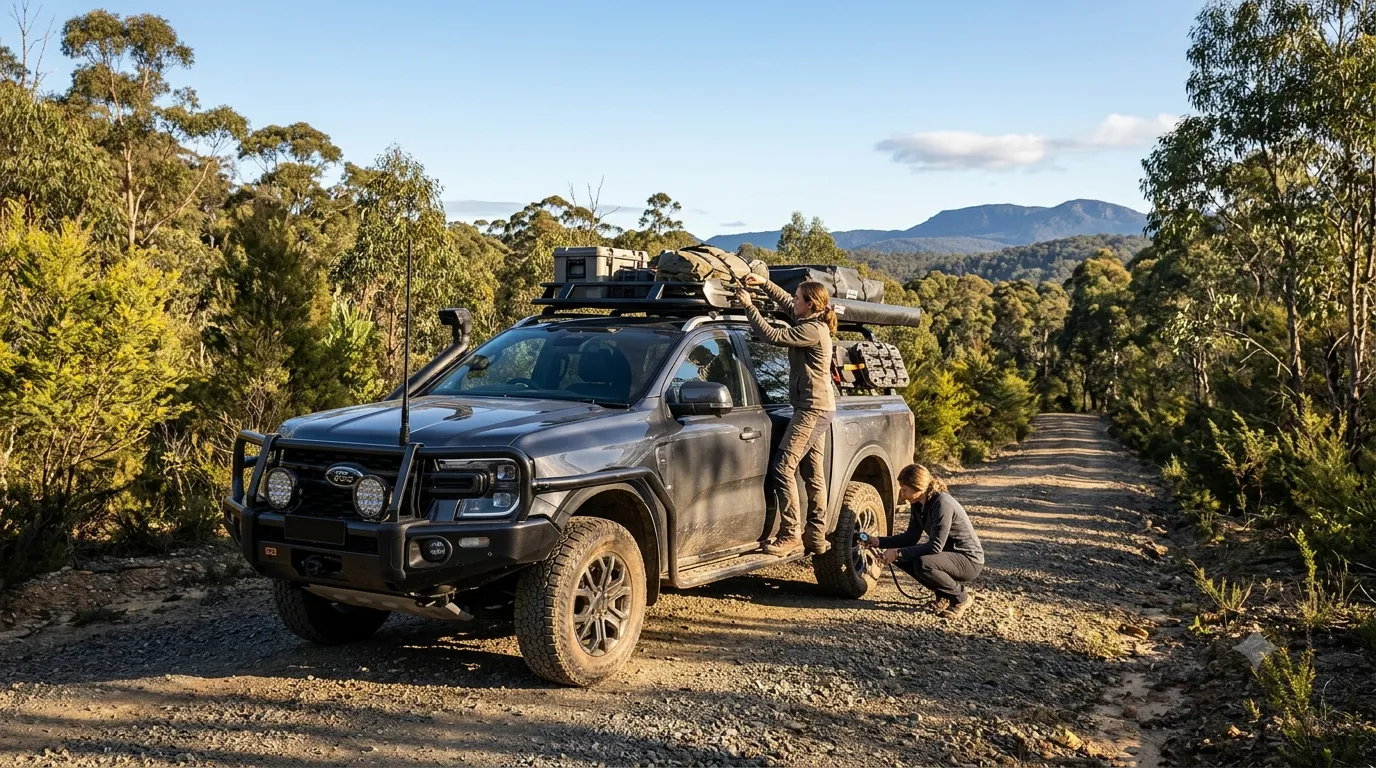
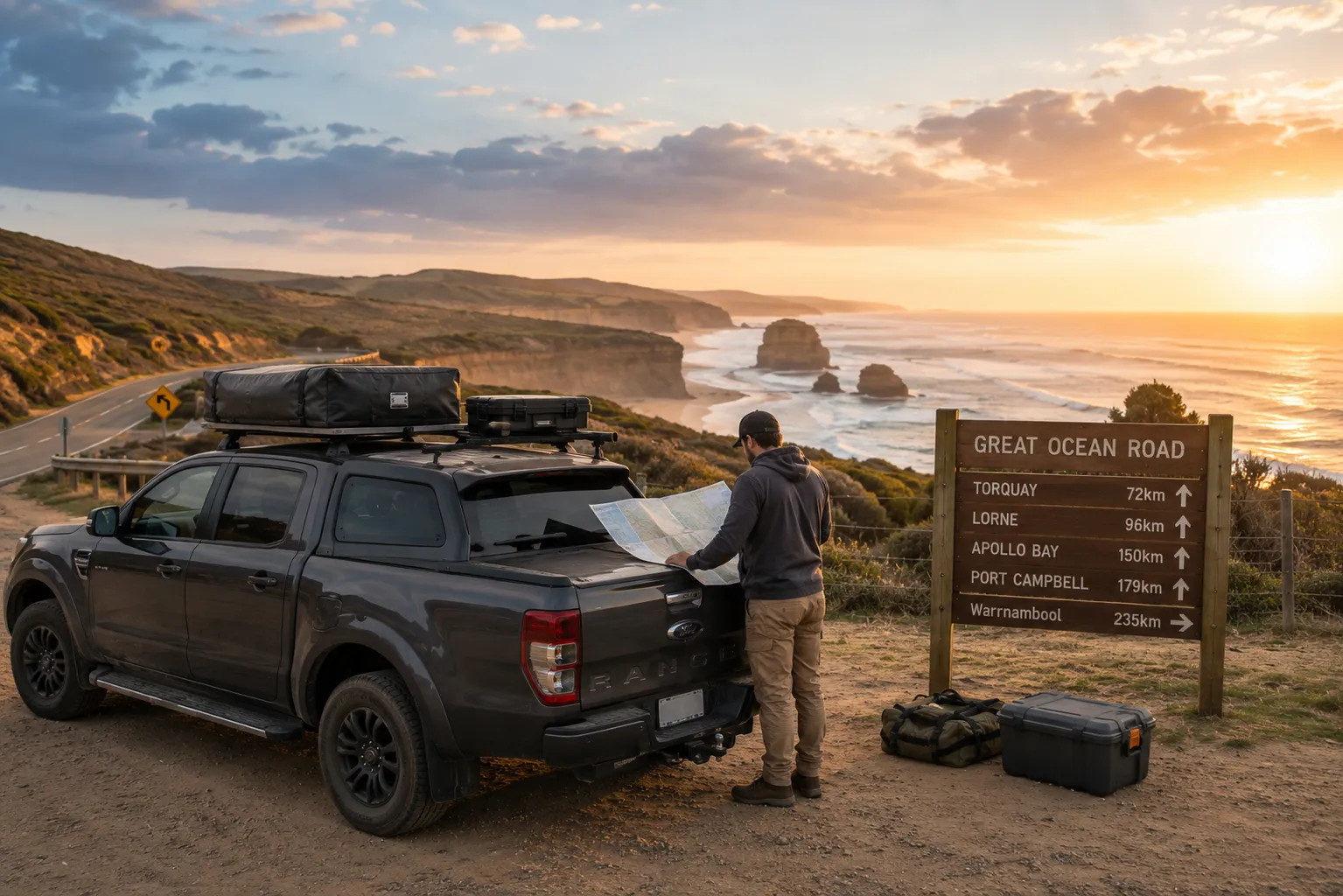
If you regularly drive on country roads or off-road tracks, protection is a sensible place to start. Rocks, branches, uneven terrain and wildlife can all create risks that are less common in urban driving. A properly designed bull bar can provide additional front-end protection while also creating mounting options for equipment such as driving lights and antennas. When comparing a Ford Ranger bull bar, check that it is designed for your exact Ranger model and that installation does not compromise the vehicle's factory safety systems. Protection should be functional first. Appearance is important, but it should not come at the expense of fitment, strength or compatibility.
Think About Storage Before Adding More Gear
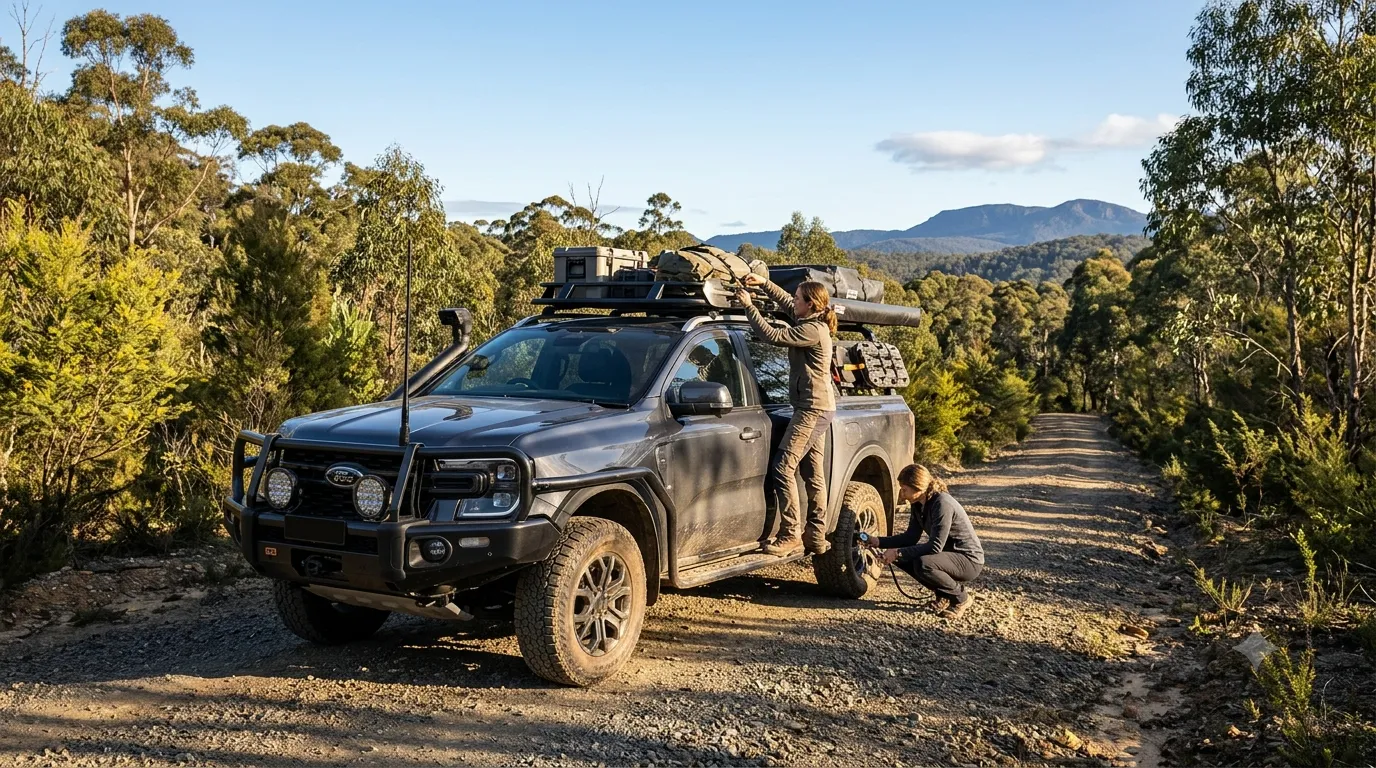
Storage becomes particularly important when a Ranger is used for touring, camping or work. Tools, recovery equipment, luggage and outdoor gear can quickly take up available space.
Roof racks, canopies, drawer systems and cargo solutions can make a major difference, but they should be selected according to what you actually carry. A roof rack, for example, can be useful for bulky equipment that would otherwise take up valuable tray or cabin space.
Always check the relevant load limits before carrying equipment. Adding storage should make the vehicle more practical, not encourage you to carry more weight than it is designed to handle.
Look for High-Quality Accessories
Price is only one part of the buying decision. A cheaper accessory may cost more over time if it has poor fitment, wears quickly, or needs to be replaced. When comparing high-quality Ford Ranger accessories, look at the materials, construction, vehicle compatibility, installation requirements, and intended use. Product specifications are more useful than vague claims about strength or durability. It is also worth checking whether an accessory has been designed specifically for your Ranger generation. A product that fits one model or variant may not necessarily be suitable for another.
Choose a Bull Bar Based on Your Needs
Bull bars are a popular upgrade for Ford Ranger owners, particularly those who spend time travelling outside urban areas. However, the right bull bar depends on how you use the vehicle. Consider its construction, mounting system, compatibility with vehicle safety technology, recovery requirements, and the additional equipment you intend to install. If you only want a visual upgrade, you may not need the same setup as someone who regularly travels through remote areas. Taking the time to compare these factors can help you avoid buying a product that does not suit your requirements.
Consider Roof Racks for Touring and Outdoor Gear
A roof rack can be particularly useful for owners who regularly carry bulky equipment.
Camping gear, recovery boards, kayaks, rooftop tents and other large items can be transported above the vehicle, freeing up space elsewhere. However, roof-mounted equipment also affects the vehicle's overall load and centre of gravity, so careful packing is important. Keep heavy equipment as low as practical and follow the manufacturer's load recommendations. Secure everything properly before travelling, particularly when driving on corrugated or uneven roads.
Styling Upgrades Can Come Later
Once the practical requirements are covered, you can consider styling accessories.
A replacement grille, sports bar, or other exterior upgrade can give your Ranger a more individual appearance. These modifications are generally less about capability and more about personal preference, so they do not necessarily need to be the first purchases.
A well-chosen grille can refresh the front end without making the vehicle look overly modified. The best styling changes usually complement the Ranger's existing design rather than competing with it.
Think About Your Future Plans
Your requirements may change after you own the vehicle for a while. A Ranger that starts as a daily commuter could eventually become a touring vehicle, work ute or weekend off-roader.
For that reason, it can be useful to plan your upgrades in stages. If you know that you'll eventually add a roof rack, canopy or bull bar, consider how each component will work with the others before making a purchase.
This approach can prevent compatibility problems and reduce the chance of replacing accessories later.
Check Fitment Before You Buy
Ford Ranger accessories are not necessarily universal across every model year, body style or variant. Changes in vehicle design, mounting points, sensors, and factory equipment can affect compatibility. Before ordering an accessory, confirm the exact Ranger model, year, and variant it is designed for. Also check whether additional installation components are required.
Correct fitment matters for more than appearance. It can affect installation, clearance, functionality, and the interaction between aftermarket equipment and factory systems.
Don't Ignore Weight and Load Limits
Adding several accessories can significantly increase the vehicle's overall weight. Bull bars, roof racks, canopies, drawers, recovery equipment, and camping gear all contribute to the final load. This is particularly important for owners who travel long distances or tow.
Rather than considering each accessory separately, think about the complete setup. Make sure your vehicle remains within the applicable manufacturer and legal load limits for your particular Ranger and configuration.
Buy for the Job, Not the Trend
Social media can make heavily modified utes look appealing, but a setup that works for one owner may not make sense for another. If you spend most of your time on sealed roads, you may not need an extensive off-road build. If you regularly travel remote tracks, protection and recovery equipment may be much more important than cosmetic changes.
Choose a Specialist Range
Once you know what you need, buying from a supplier that focuses on Ford Ranger accessories can make the process easier. A specialist range allows you to compare products intended for specific Ranger models and applications rather than choosing from generic vehicle accessories.
Custom Outfitters offers a range of accessories for Ford Ranger owners looking to improve protection, storage, functionality and styling. Whether you are preparing a vehicle for work, touring or weekend adventures, choosing products based on fitment and intended use can help you create a more practical setup.
Final Thoughts
Choosing Ford Ranger accessories does not have to mean modifying everything at once. Start by understanding how you use your vehicle, then prioritise upgrades that provide a clear benefit. Protection, storage and functionality should generally come before cosmetic changes. From there, consider the quality, fitment, load requirements and compatibility of each product before buying. A thoughtful approach will help you spend money where it matters and build a Ford Ranger that works for your lifestyle rather than simply looking the part.
























Sign in to leave a comment.