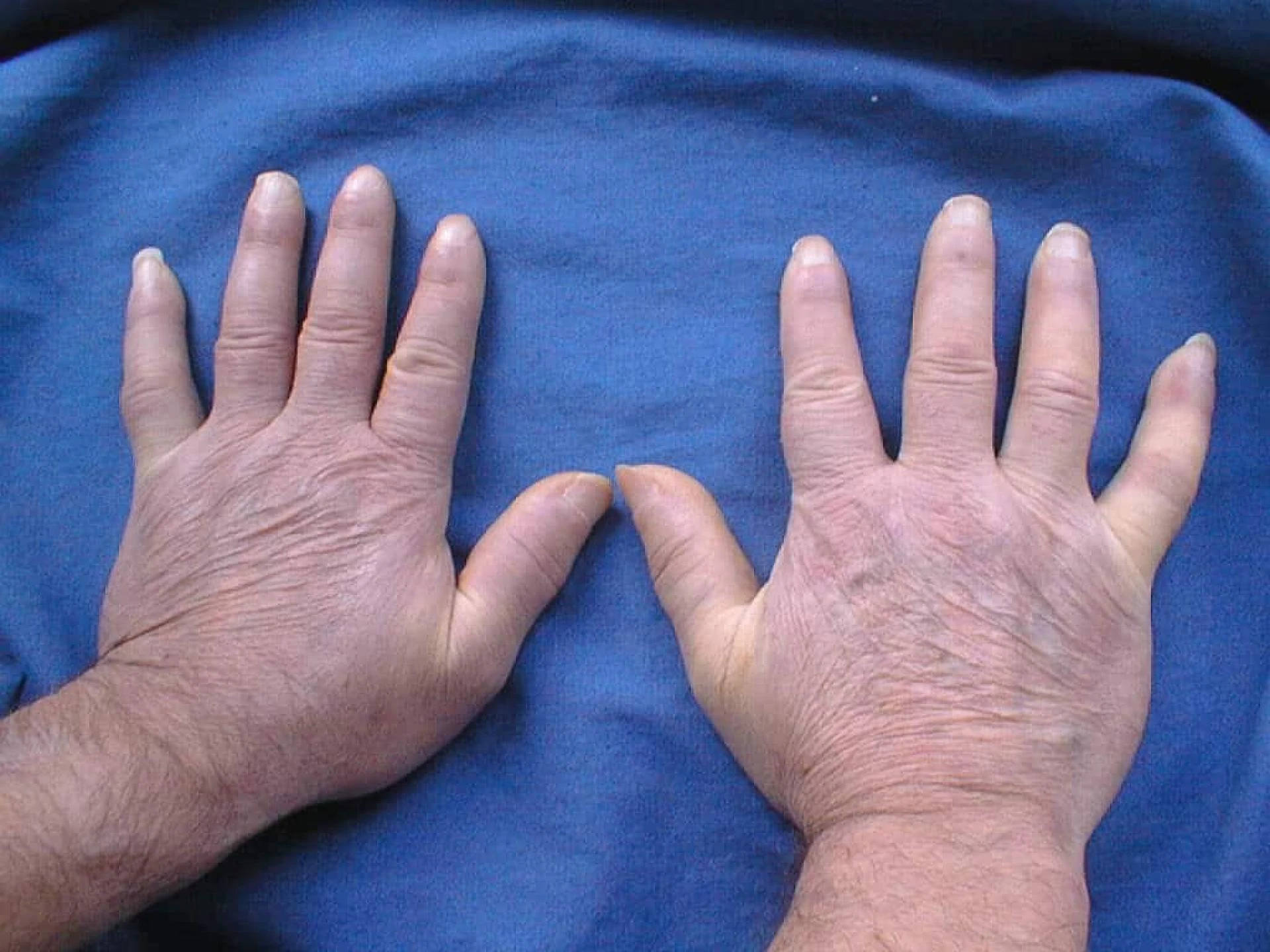

What Is Multiple Sclerosis?
The term multiple sclerosis means the formation of scar tissues in various areas. Involved with your central nervous system: your brain, spinal cord, and optic nerves, Multiple sclerosis is a chronic autoimmune disease. When you have multiple sclerosis, the immune system pounces the protective covering around the nerve fibers, known as myelin which leads to inflammation. Myelin sheath aids in propagating electrical nerve signals more efficiently and quickly.
Damaged or disappeared myelin sheath at multiple places leaves a scar or sclerosis, which may affect your brain stem. This cerebellum is responsible for the coordination of body movement and controls balance, the spinal cord, the optic nerves, and white matter in some brain regions.
As the disease persists, it leads to further damage to the myelin sheath, which restricts the electrical signals from the brain from reaching the target site. This hinders your body from performing normal vital functions.
Multiple sclerosis may affect different persons differently. Some may undergo mild symptoms, while others may get severe symptoms. Therefore, the prevalence of multiple sclerosis is difficult to evaluate. However, a study suggests that around 250,000 to 350,000 people have multiple sclerosis in the US.
Multiple sclerosis can't be cured, but it's signs and indications can be reduced effectively with medications and lifestyle changes.
What Are The Types Of Multiple Sclerosis?
Multiple sclerosis is of the following four types:
Clinically Isolated Syndrome (CIS)
It is the single and first stage of the disease with symptoms that lasts for at least 24 hours.
Relapse-Remitting MS (RRMS)
This is the most regular form of multiple sclerosis. Around 85% of cases of multiple sclerosis are diagnosed with RRMS. During this, new symptoms occur, followed by remission when the symptoms may go away completely or partially.
Primary Progressive MS (PPMS)
During this, without any remission, the symptoms get worse with time. Around 15% of multiple sclerosis patients are suffering from PPMS.
Secondary Progressive MS (SPMS)
Firstly, people with SPMS may experience a period of relapse and remission followed by the worsening of symptoms.
What Are The Symptoms Of Multiple Sclerosis?
Regular symptoms of Multiple Sclerosis are:
Weak musclesTingling or numbness in arms, face, or legs.A person may experience Lhermitte’s sign, which feels like electric shock while moving their neck.Urinary incontinence where you experience difficulty in emptying the bladder.Bowel incontinenceFatigueDizzinessBalance and coordination problemVertigoPainful muscle spasmsInvoluntary quivering movementsBlurred visionDifficulty in walking and balancing body due to weak musclesDepressionMemory issuesDifficulty in concentratingPain
Apart from the above common symptoms of multiple sclerosis, some men might experience trouble in getting or maintaining erections. Doctors mostly prescribe pills like Cenforce 100 to cure erection issues in men. Cenforce 100 is a sildenafil tablet that leads to firm and long-lasting erections. Cenforce 100 is a PDE5 inhibitor, stimulates the increased flow of blood to the penis by leading to the relaxation of penile muscles, causing an erection. Though Cenforce 100 is quite effective in treating the inability to have an erection, it has some side effects. Also, Cenforce 100 has a few drug interactions, which make you more susceptible to potential side effects.
Some of the less common symptoms of multiple sclerosis are:
ItchingHearing lossHeadachesBreathing problemsSeizuresProblem is swallowingUrinary tract infectionsReduced physical activity
When the disease persists, people may lose their ability to think or sensitivity to heat.
What Leads To Multiple Sclerosis?
The exact cause behind multiple sclerosis is not known yet. However, the following risk factors increase your chances of getting the disease:
Age between 20 to 40 yearsCompared to men, women are more likely to face Multiple SclerosisFamily history of the diseaseSmokingViral infections like Epstein-Barr virus (EBV) or mononucleosisDeficiency of vitamin D and vitamin B12
What Are The Complications Associated With Multiple Sclerosis?
Multiple sclerosis can't be treated and remain with you lifelong. In addition, when the disease persists, it may lead to the following complications:
The use of corticosteroids leads to high blood pressure, fluid retention, weight gain, increased eye pressure, and memory issues.Problems related to bladder and bowel movements like constipation, diarrhea, and incontinenceMental health problems like depression and anxietyUrinary tract infectionsOsteoporosisParalysisEpilepsyMuscle stiffness or spasmsBlurred vision or loss of visionCognitive impairment
Multiple sclerosis, in many cases, leads to erection related problems in men. Inability to have an erection is one of the common outcomes of multiple sclerosis. Therefore, Cenforce 100 is often recommended by doctors to treat erection issues in men.
Cenforce 100 is prescribed by doctors to overcome your ability to have an erection. Cenforce 100 is an effective, convenient to use, easily affordable, and easily accessible pill to be used to have firm erections.
How Is Multiple Sclerosis Treated?
There is no permanent cure available for multiple sclerosis,, but proper medications can reduce its progression.
Disease-Modifying Therapies (DMTs)
These medications are used to slow the progression of multiple sclerosis. These are also used to lower your relapse rate. Some of the approved disease-modifying therapies include:
Self-injectable medicines include -
Glatiramer acetate, which restricts your immune system from attacking the myelin sheath.
Beta interferons like Avonex, Betaseron, Extavia and Plegridy reduce the symptoms of multiple sclerosis.
Oral medicines like-
Dimethyl fumarateFingolimodTeriflunomideProximal fumarate
Intravenous infusion medications like-
AlemtuzumabNatalizumabMitoxantroneOcrelizumab
Other Medications
To treat relapses, your doctor may prescribe medications like corticosteroids, such as methylprednisolone or Acthar Gel.
Alternative Therapies
Besides medications, the following alternative therapies will help in reducing the symptoms of multiple sclerosis:
Heat and massage treatment and acupuncture for relieving painStress managementRegular exerciseA healthy diet including fresh fruits, fiber and vegetablesAvoiding smoking
0











Sign in to leave a comment.