
A Simple Guide to Hernia Signs and Treatment Decisions
A hernia is a common medical condition that occurs when an internal organ or tissue pushes through a weakened area of muscle or connective tissue. Although many hernias begin as small and painless, they can gradually worsen and lead to complications if ignored. People searching for a best hernia surgeon in Ahmedabad often do so after noticing unusual symptoms or discomfort that interferes with daily activities. Understanding the early signs of hernia and knowing when to seek medical care can help ensure timely diagnosis and effective treatment.
What Is a Hernia?
A hernia develops when pressure inside the body combines with a weak spot in the muscle wall. This can result in a visible bulge or swelling, most commonly in the abdomen or groin area. Hernias can affect individuals of all ages and may occur due to heavy lifting, obesity, chronic coughing, pregnancy, aging, or previous surgical incisions.
Common Types of Hernia
- Inguinal hernia: Occurs in the groin and is more common in men
- Umbilical hernia: Appears near the belly button
- Incisional hernia: Develops at the site of previous surgery
- Hiatal hernia: Occurs when part of the stomach moves into the chest
- Femoral hernia: Found in the upper thigh or groin region
Each type may present with slightly different symptoms, but early recognition remains crucial across all categories.
Early Signs of Hernia You Should Not Ignore
Hernia symptoms often develop slowly and may initially appear as a soft bulge or swelling that becomes more noticeable when standing, coughing, or straining and may reduce while lying down. Along with this visible change, many individuals experience mild discomfort, a dull aching sensation, or a feeling of heaviness in the abdomen or groin, particularly after physical activity, lifting heavy objects, or long periods of standing.
Some patients may also notice a mild burning sensation or weakness around the affected area, which can cause discomfort during daily movements. In certain types of hernia, especially hiatal hernia, digestive symptoms such as heartburn or acid reflux may occur. Recognizing these early signs is important because timely medical consultation can help prevent the hernia from progressing and allow appropriate treatment planning.
When Should You Seek Treatment?
Many individuals wonder whether a hernia can heal on its own. In most cases, hernias do not resolve without medical intervention. Seeking evaluation is recommended when:
- The bulge increases in size
- Pain becomes persistent or severe
- Daily activities are affected
- Digestive symptoms worsen
- The hernia cannot be pushed back inside
Patients exploring options with a best hernia surgeon in Ahmedabad typically benefit from professional assessment that confirms diagnosis and determines the most appropriate treatment plan.
Warning Signs That Require Urgent Medical Attention
Certain symptoms may indicate complications such as incarceration or strangulation of the hernia, which require immediate care.
Seek emergency evaluation if you experience:
- Sudden, intense pain at the hernia site
- Nausea or vomiting
- Fever
- Redness or discoloration over the bulge
- Inability to pass gas or have bowel movements
Prompt treatment in such situations can prevent serious health risks.
How Is Hernia Diagnosed?
Diagnosis usually begins with a physical examination, during which a doctor checks for swelling or tenderness. Additional tests may be recommended to confirm findings.
Diagnostic methods include:
- Ultrasound imaging
- CT scan
- MRI scan
- Endoscopy (for hiatal hernia)
These investigations help determine hernia size, location, and severity, guiding treatment decisions.
Treatment Options for Hernia
Hernia management depends on symptom severity, hernia type, and overall patient health.
1. Watchful Waiting
Small, minimally symptomatic hernias may be monitored with lifestyle adjustments and regular follow-up.
2. Lifestyle Modifications
- Weight management
- Avoiding heavy lifting
- Managing chronic cough
- Treating constipation
These measures can reduce symptom progression but do not cure the hernia.
3. Surgical Repair
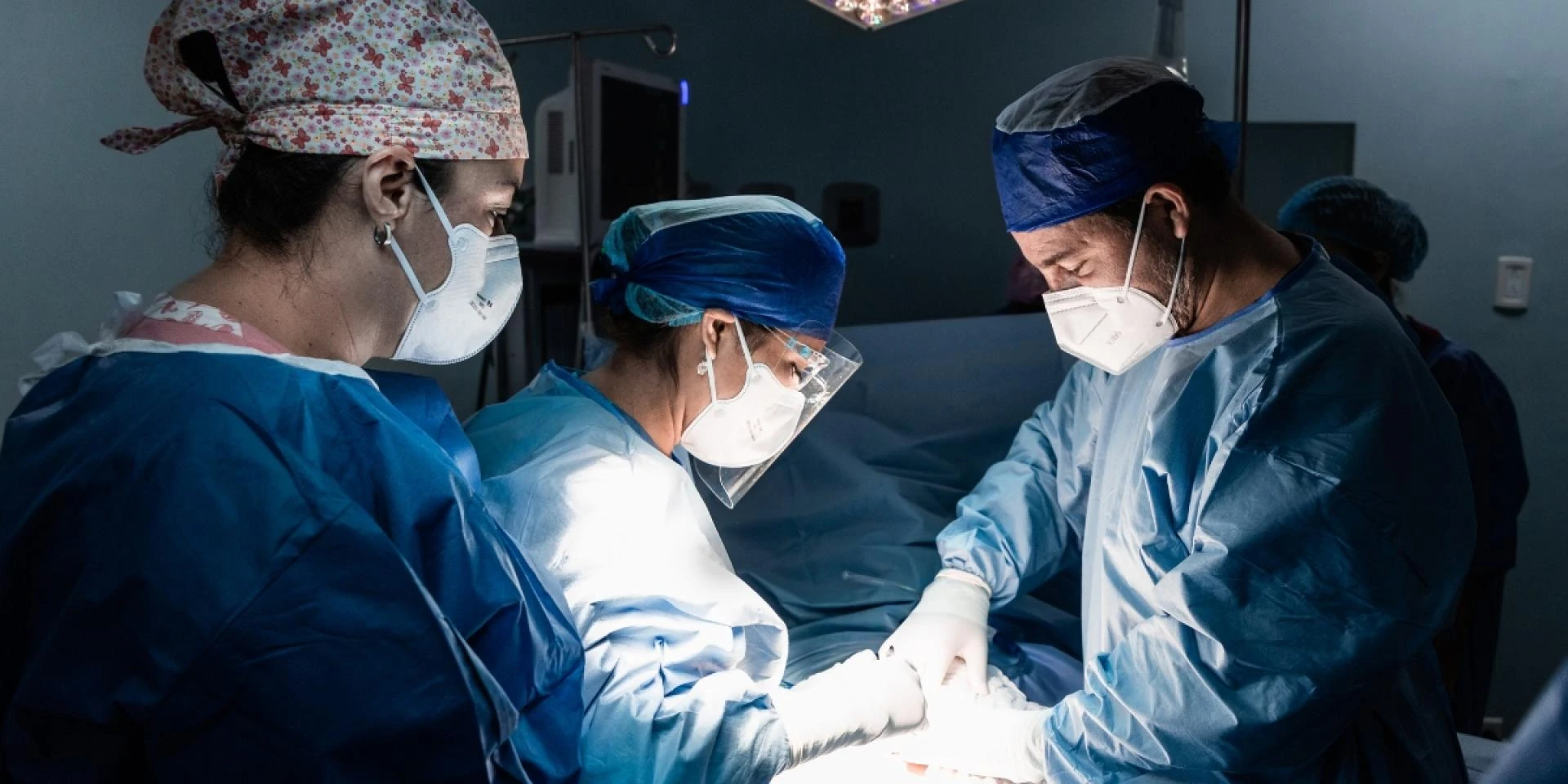
Surgery remains the definitive treatment for most hernias. Modern techniques aim to strengthen the weakened area and prevent recurrence.
Common surgical approaches
- Open hernia repair
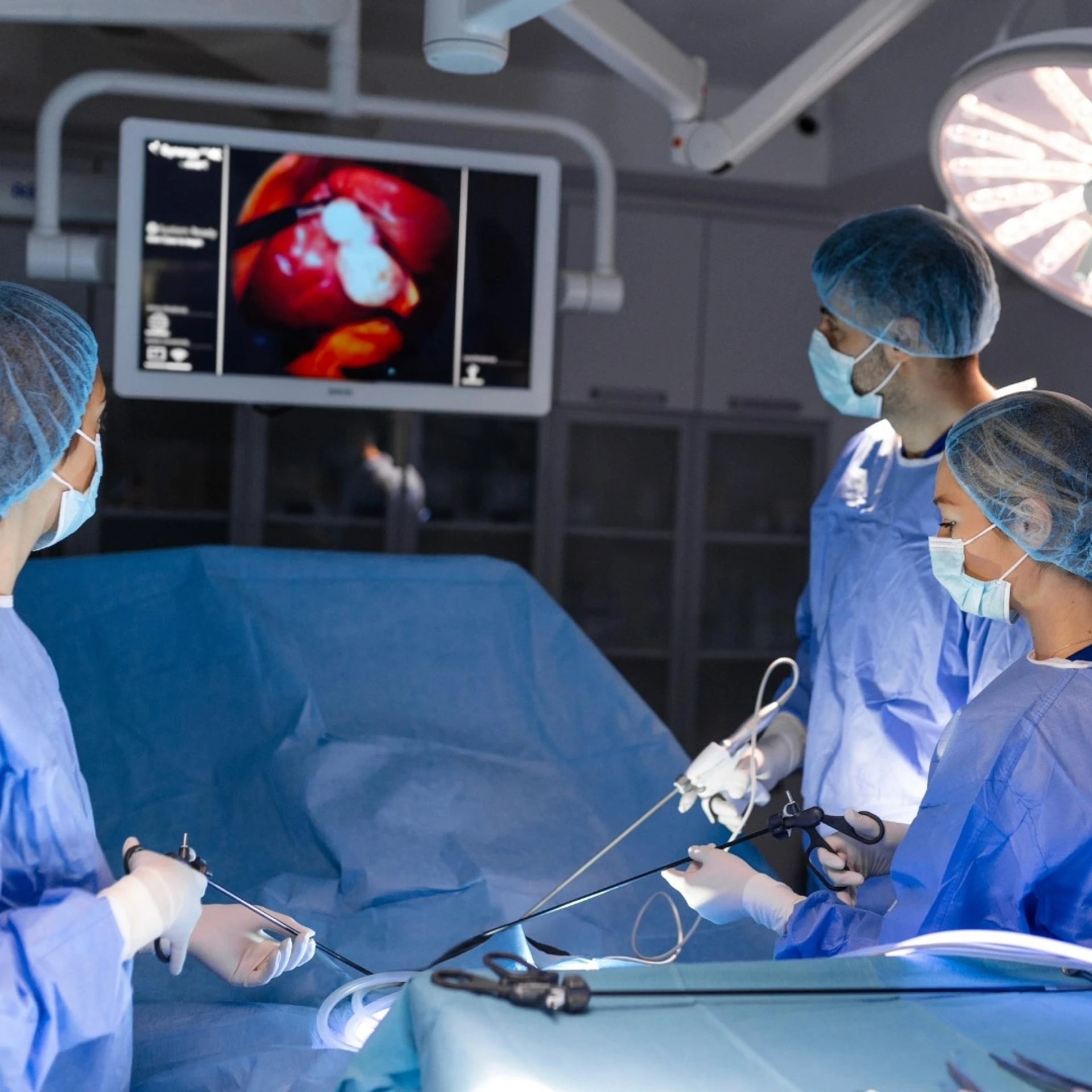
- Laparoscopic hernia repair
- Robotic-assisted hernia repair
Minimally invasive approaches often offer smaller incisions, faster recovery, and reduced postoperative discomfort. Specialists such as Dr. Vishal Soni emphasize individualized surgical planning to achieve safe and durable outcomes.
Recovery After Hernia Surgery
Recovery after hernia surgery can vary depending on the type of procedure performed and the patient’s overall health condition. In most cases, patients are advised to gradually return to their normal daily activities while avoiding strenuous exercise or heavy lifting during the initial healing period. Proper wound care, adherence to prescribed medications, and maintaining a balanced, nutritious diet play an important role in supporting recovery and preventing complications. Regular follow-up visits with the healthcare provider are also essential to monitor healing progress and address any concerns. With appropriate postoperative care, many patients can resume routine activities within a few weeks, especially after minimally invasive hernia repair procedures.
Preventing Hernia Development or Recurrence
While not all hernias can be prevented, certain lifestyle habits may reduce risk.
Prevention tips
- Maintain a healthy body weight
- Strengthen core muscles
- Use proper lifting techniques
- Stop smoking to reduce chronic coughing
- Treat digestive issues promptly
Adopting these practices supports abdominal wall strength and overall health.
Conclusion
Recognizing the early signs of hernia plays a vital role in ensuring timely treatment and avoiding complications. Symptoms such as a visible bulge, mild discomfort, heaviness, or digestive changes should not be overlooked, especially if they persist or worsen. Understanding when to seek medical care empowers individuals to make informed decisions and access appropriate evaluation. Patients considering consultation with a best hernia surgeon in Ahmedabad can benefit from accurate diagnosis, personalized treatment planning, and modern surgical options that support effective recovery. With early awareness and expert guidance, hernia management becomes more predictable, helping patients return to comfortable and active living.

Sign in to leave a comment.