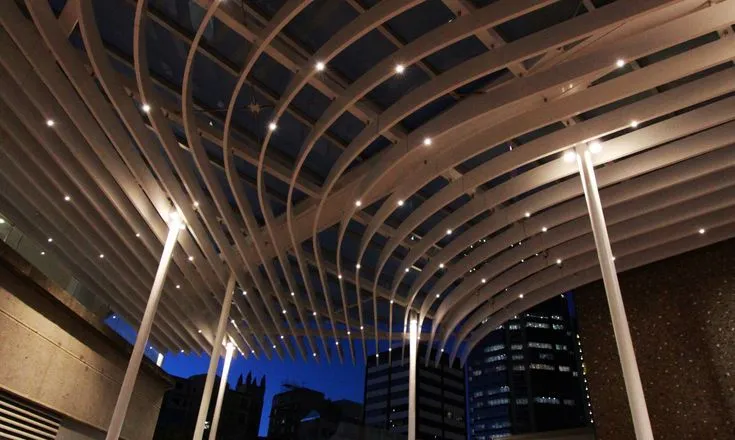

Lighting affects how a space looks and feels. Among all lighting options, architectural LED downlights have become a popular choice in modern design. They are clean, simple and highly functional. You can use these 3W architectural LED downlights in a home, an office or even a commercial space. These downlights enhance the overall aesthetics of the space and make it well-lit and attractive.
What Are Architectural LED Downlights?
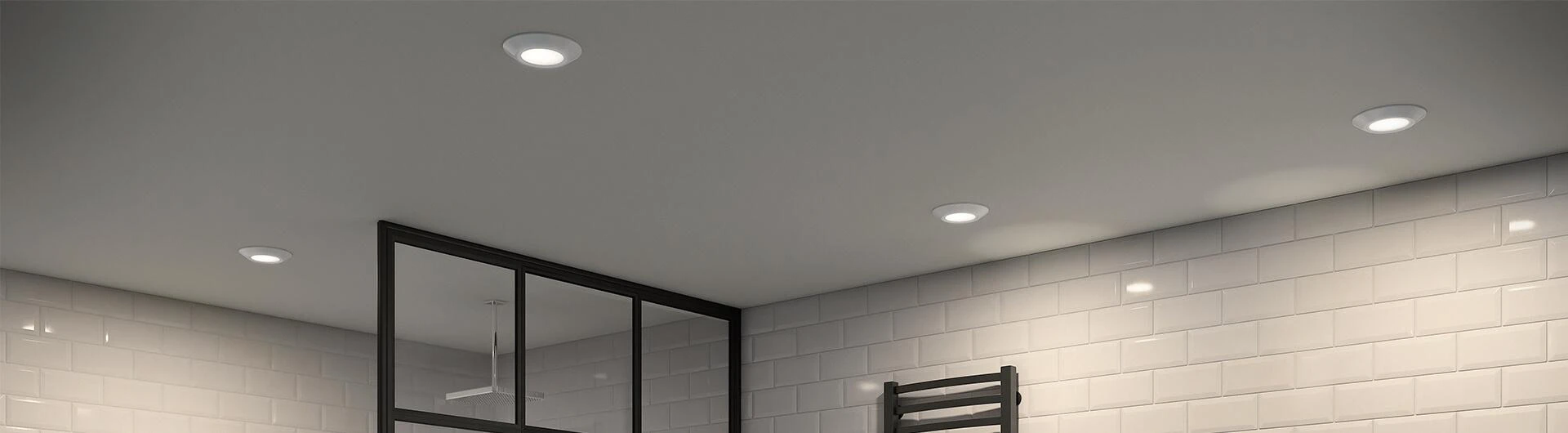
Architectural LED downlights are ceiling-mounted lights that direct light downward. These 3W architectural downlights are recessed in the ceiling so only the edge or the light opening is visible. This makes the ceiling look clean and modern.
These lights are not just for making a space bright but also to enhance the overall design of the space. They provide focused and controlled lighting that helps you highlight key areas without making the ceiling look messy.
Why Use these LED Downlights in Design
LED downlights are popular and widely used because they offer a lot of practical benefits.
- Clean and Modern Look: LED downlights are minimal and blend into the ceiling. This makes the whole space look neat and tidy.
- Energy Saving: LED technology uses less electricity than the old bulbs. These downlights use only 3W of electricity which is 80% less than traditional bulbs. These 3W architectural LED downlights help you save money on your electricity bills over time.
- Long Lifespan: LED downlights last for a very long time which means you do not have to replace them as often. This saves you money because of lower maintenance.
- Control The Light: You can control the brightness, beam angle of the light and even the color temperatures of the light. This is useful because it helps you create the right mood in different rooms.
- Versatility: LED downlights are really versatile. You can use them in your living room, kitchen, office, store and many other places.
Types of Architectural LED Downlights
There are different types of downlights. Knowing them helps you pick the right one for your project.
Fixed Downlights
These lights shine in one direction. They work best for general lighting needs.
Adjustable (Gimbal) Downlights
You can tilt or rotate these lights. They are great for highlighting artwork, specific features or walls.
Wall Wash Downlights
These lights spread evenly across the walls. They create smooth and soft lighting effects.
Deep Recessed Downlights
These downlights reduce glare and provide a comfortable lighting experience.
Smart Ways to Use LED Downlights in Design
To get the best results, follow some simple and practical tips given below.
1. Plan the Layout Properly
Do not place lights anywhere. Think about how you will use the space.
- In living rooms, put lights around sitting areas.
- In kitchens, focus on countertops and workspaces.
- In hallways, space lights out evenly for a balanced look.
A good layout makes the lighting and design look better.
2. Choose the Right Spacing
Placing too many lights makes a space feel harsh. Too few lights make the space full of dark spots and shadows.
A simple rule is to put downlights about 3 to 5 feet apart. This depends on how high your ceiling is. If your ceiling is higher, you might need to space them wider.
3. Select the Correct Colour Temperature
Colour temperature affects the mood of a space.
- Warm white which is 2700K to 3000K is best for homes, bedrooms and lounges.
- Neutral white which is 3500K to 4000K is good for offices and kitchens.
- Cool white which is 5000K or more is best for task- heavy areas.
Choosing the right colour temperature helps make a space comfortable and functional.
4. Focus on Layered Lighting
You should not use downlights as the only source of lighting. You need to combine them with other types of lighting such as:
- Pendant lights
- Wall lights
- Floor lamps
This makes the space feel deeper and more interesting to look at.
5. Avoid Glare
Glare is a big problem because it makes the space uncomfortable. To reduce glare:
- You can use deep recessed downlights.
- You should avoid putting lights directly above eye level.
- You should choose fixtures that have special features like anti-glare.
Comfort is just as important as how bright the room is.
6. Highlight Key Features
Use adjustable downlights to focus on important design elements such as:
- Artwork
- Walls with texture
- Decorative shelves
These features add character and improve the visual appeal of the space.
7. Use Dimmers for Flexibility
Installing dimmers helps you control how bright the light is based on the time of day and your activity. For example:
- Bright light when you are working
- Soft light when you want to relax
This makes the space more flexible and works better for different activities.
Common Mistakes to Avoid
Even though LED downlights are easy to use, some common mistakes affect the final result.
Overlighting the Space
If you place too many lights, it makes the space too bright and feels uncomfortable.
Poor Placement
When you do not put the downlights in the right position, it creates some shadows or the light will not be even.
Ignoring Ceiling Height
The ceiling's height must be considered because it affects how the light spreads. You should always adjust the space and brightness based on the ceiling height.
Using Only One Type of Lighting
If you rely only on downlights, it makes the room look boring and flat. You should use different kinds of lighting to make the room look nice.
Importance of Choosing the Right Lighting Brand
Choosing the right lighting brand really matters because it affects how well the lights work and how long they last. A good lighting fixture gives you control over the light, reduces glare and keeps consistent quality over time.
CIRC Lighting offers a wide range of modern lighting options that can fit easily into any kind of space. Their designs focus on clean looks and practical lighting which makes them the best choice for your modern interiors.
Final Thoughts
Architectural LED downlights are a smart and modern lighting solution. These LED lights offer a neat look, help save energy and give you great flexibility in design. However, planning is key to making them work well. You can create a space that is functional and visually appealing by choosing the right type of LED downlight, spacing and brightness. By using these downlights correctly, you can transform any space, make it more attractive, and enhance its aesthetics.



























Sign in to leave a comment.