Let’s be honest — finding the right manufacturer for your food brand isn’t just about ticking a few boxes and comparing quotes. It’s way messier than that. And if you’ve ever typed “white label products manufacturer” into Google and ended up with 12 tabs open, 5 unanswered emails, and zero clarity — yeah, we’ve all been there.
Whether you’re just starting out or looking to scale, picking the right third-party manufacturer can literally shape your brand’s future. Not being dramatic — it’s just the truth.
So, here’s a real-world guide. Not corporate, not sugarcoated. Just stuff you should actually consider before you hand over your recipe and your reputation.
Quick Thing First: What Even Is Third-Party Manufacturing?
If you’re new to the game, let’s break it down. Third-party manufacturing (or contract manufacturing) is when someone else makes your product for you. You focus on the brand, the packaging, the customer side of things. They handle the production part — the machines, the staff, the food safety standards, the late-night batch runs.
And no, this isn’t just for giant companies. Tons of small and mid-sized brands do it — and it’s a smart move when you don’t want to spend crores setting up your own unit.
So How Do People Actually Find a Manufacturer?
This part’s never as smooth as it sounds on paper. Usually, it goes something like:
- You define what you want. Or at least try to.
- You search online, reach out to a few leads, maybe get ghosted by one or two.
- You start asking around — friends in the industry, a supplier, your old professor, whoever.
- Eventually, you talk to a couple of real options and try to figure out if any of them are not just saying yes to everything.
It’s a bit like dating. Except more expensive and with more food safety documents.
What Really Matters (and What People Forget to Ask)
1. Certifications Are Good, but Ask to See the Actual System
Everyone says they’re certified. FSSAI, HACCP, ISO, whatever — but what does that mean in practice? Ask how they track quality. Do they do random checks? Can they give you a sample QC report? If they look confused — leave right away.
2. Can They Actually Handle Your Product?
Just because a factory makes cookies doesn’t mean they can make your vegan gluten-free superfood cookie. Be clear about your ingredients. Ask what equipment they use. Don’t assume they’ll figure it out — they won’t.
3. Watch Out for Overpromisers
If someone says “Yes, yes, we can do everything” in the first 5 minutes… yikes. Good manufacturers ask you a lot of questions before agreeing to anything. If they’re too quick to agree, it usually means they’re winging it or just want your business.
4. Visit the Factory If You Can
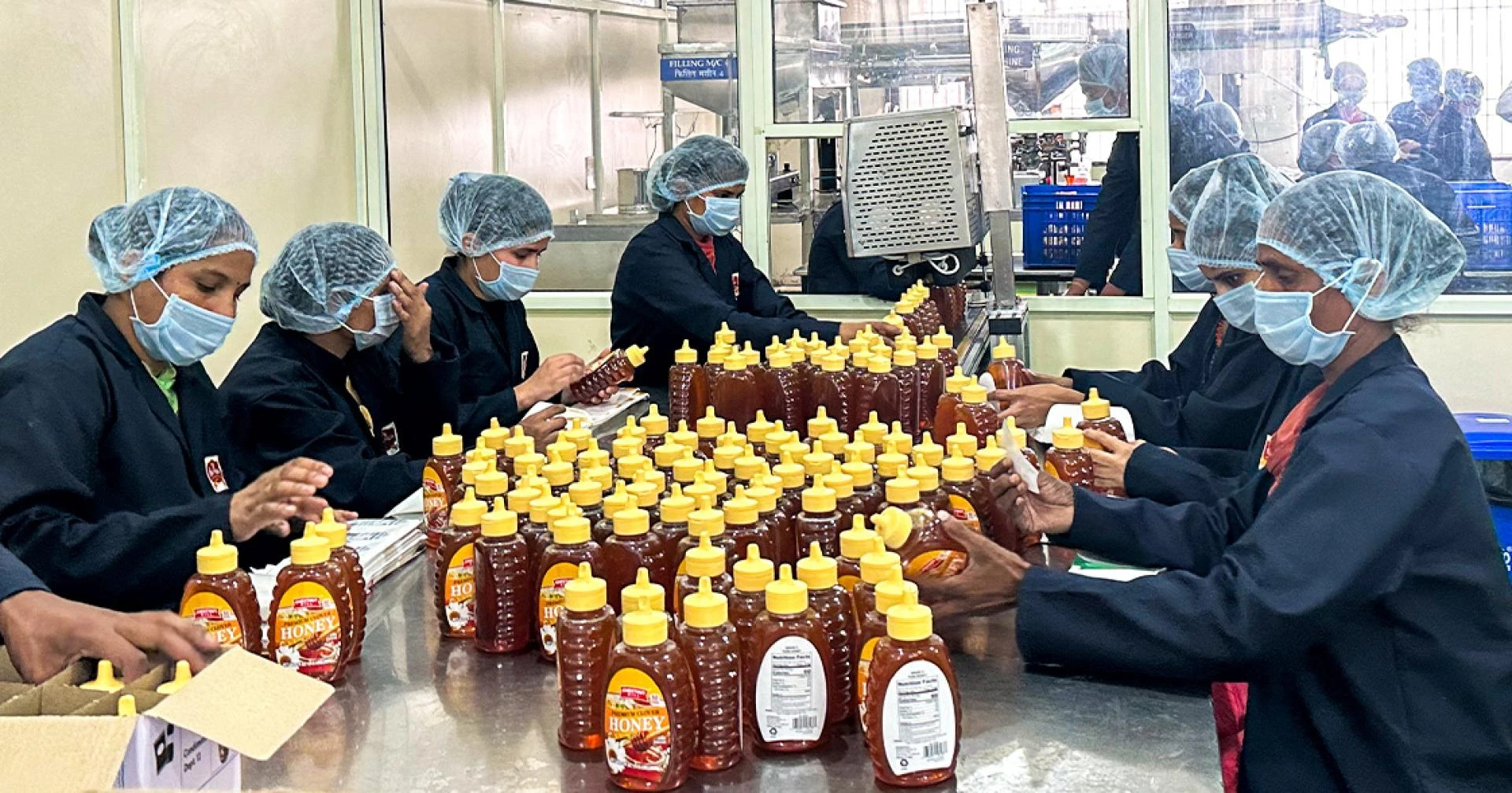
Seriously, nothing beats showing up in person. You’ll see how things are actually run. Is it clean? Are people actually wearing gloves and caps? Is the energy calm or chaotic? That tells you more than any brochure ever will.
A Few Things That Make a Huge Difference
- Location matters more than you think. If your factory’s 1000 km away, that’s a lot of travel and logistics cost down the line.
- Responsiveness is underrated. You’ll be shocked how many manufacturers disappear mid-discussion. The good ones reply fast, ask questions, keep things moving.
- Ask about small batch runs. Some manufacturers aren’t built for flexibility. If you’re launching a small pilot, make sure they’re cool with that.
- Get client references. Don’t skip this. Ask them to connect you with someone they’ve worked with. One real conversation can tell you everything.
Is Experience Always a Must?
Not always. Some newer facilities are better run than the old-school giants. But domain knowledge helps. If you’re making a ready-to-drink health tonic, don’t go to someone who’s only ever done dry snacks. Ask what products they’ve handled before. You’ll know if they’re faking it.
Also — if they offer R&D help, take it. Sometimes your brilliant kitchen recipe needs a little technical tweaking to make it work at scale. No shame in that.
Watch the Red Flags
- Too many promises, too few questions
- Vague timelines
- No documentation
- Refusal to show you the facility
- No idea how they handle scaling up
- “Don’t worry, we’ll figure it out later” — please don’t.
Final Thoughts
Look, choosing a third-party manufacturer isn’t a one-size-fits-all thing. It depends on your product, your scale, your vibe. But here’s the deal — don’t just go with someone because they’re cheap or fast. Go with someone who gets what you’re building.
Someone who treats your product like it matters — not just another batch on their line.
If you’re looking for a manufacturing partner that actually checks the boxes and doesn’t just say they do — Ess Pee Quality Products is worth a call. They’re a white label products manufacturer with real systems, real people, and real experience. No fluff. Just solid food production.










Sign in to leave a comment.