
Managing blood glucose levels has become an essential part of modern health awareness, not only for individuals living with diabetes but also for those seeking better preventive care. With changing lifestyles, irregular eating habits, and increasing stress levels, monitoring glucose is no longer a concern limited to a small group. Technology has stepped in to simplify this process, making glucose monitoring more accurate, convenient, and actionable than ever before.
Traditionally, glucose testing relied heavily on manual methods that involved finger pricks and occasional checks. While effective, these methods often provided only a snapshot of glucose levels rather than a complete picture. This gap led to the development of advanced solutions like the blood glucose test kit, which offered improved reliability and ease of use for home testing. However, even these kits have limitations when it comes to tracking fluctuations throughout the day and night.
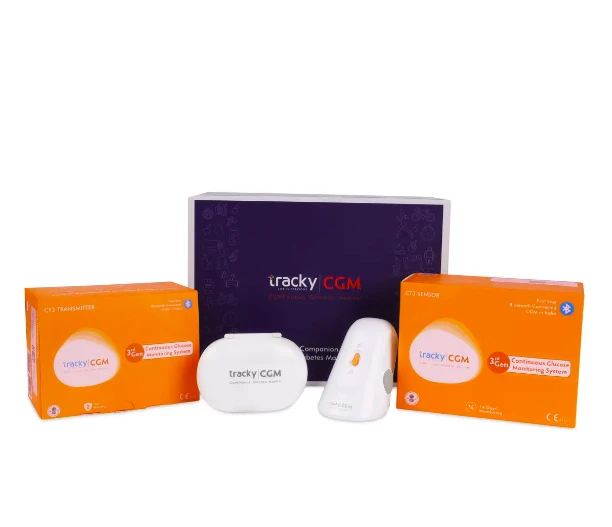
This is where continuous glucose monitoring has transformed the landscape. A modern cgm machine allows users to observe glucose trends in real time, offering insights that go far beyond single readings. Instead of guessing how food, exercise, stress, or sleep affect glucose levels, users can now see patterns and make informed lifestyle choices. Continuous monitoring removes much of the uncertainty associated with glucose management.
One of the biggest advantages of continuous monitoring is its ability to track glucose levels throughout the day without repeated finger pricks. The sensor-based technology works quietly in the background, capturing data at regular intervals. Over time, this information builds a detailed profile of glucose behavior, helping users understand spikes, drops, and stable periods. This data-driven approach empowers individuals to take proactive steps rather than reacting after issues arise.
A cgm tracker adds another layer of convenience by organizing this data into easy-to-understand visuals and trends. Instead of reading numbers in isolation, users can see how their glucose responds to specific meals, physical activity, or even emotional stress. These insights are especially valuable for individuals trying to optimize their diet or improve metabolic health. Small adjustments, guided by real data, can lead to significant long-term benefits.
Beyond diabetes management, continuous glucose monitoring is increasingly used by health-conscious individuals who want deeper insight into their bodies. Athletes, fitness enthusiasts, and those focused on preventive healthcare are turning to glucose tracking as a tool for optimizing performance and recovery. Understanding how the body processes carbohydrates and responds to physical exertion can help refine training routines and nutritional strategies.
The evolution of glucose monitoring also aligns with the broader trend of connected health devices. Today’s consumers often use wearables and digital tools to track steps, heart rate, sleep, and weight. When glucose data is added to this ecosystem, it completes a more holistic picture of health. For example, pairing glucose insights with activity and nutrition data can reveal how daily habits interact, leading to smarter decisions. This holistic approach even complements other wellness tools, such as smart weighing scales, by offering a more complete understanding of metabolic health.
Accuracy and reliability are critical when it comes to glucose monitoring. Advances in sensor technology have significantly improved precision, making continuous monitoring a trusted option for daily use. Consistent data helps users and healthcare professionals identify trends early, reducing the risk of complications and supporting better long-term outcomes. With regular monitoring, it becomes easier to spot patterns that might otherwise go unnoticed.
Another key benefit of modern glucose monitoring solutions is the reduction of mental burden. Constantly worrying about glucose levels can be stressful, especially when relying on infrequent tests. Continuous systems provide reassurance by offering ongoing visibility. Alerts and trend indicators can signal potential issues before they become serious, allowing timely intervention without constant manual checking.
As awareness of preventive healthcare grows, glucose monitoring is shifting from a reactive tool to a proactive one. People are increasingly interested in understanding how their bodies function on a day-to-day basis, rather than waiting for symptoms to appear. Continuous glucose monitoring supports this mindset by turning invisible biological processes into clear, actionable information.
In conclusion, the transition from traditional testing methods to continuous monitoring represents a major step forward in personal health management. From the familiarity of a blood glucose test kit to the advanced insights offered by a cgm machine and an intuitive cgm tracker, modern solutions empower individuals to take control of their health with confidence. By providing real-time data, long-term trends, and actionable insights, continuous glucose monitoring is shaping a future where informed choices lead to healthier, more balanced lives.




Sign in to leave a comment.