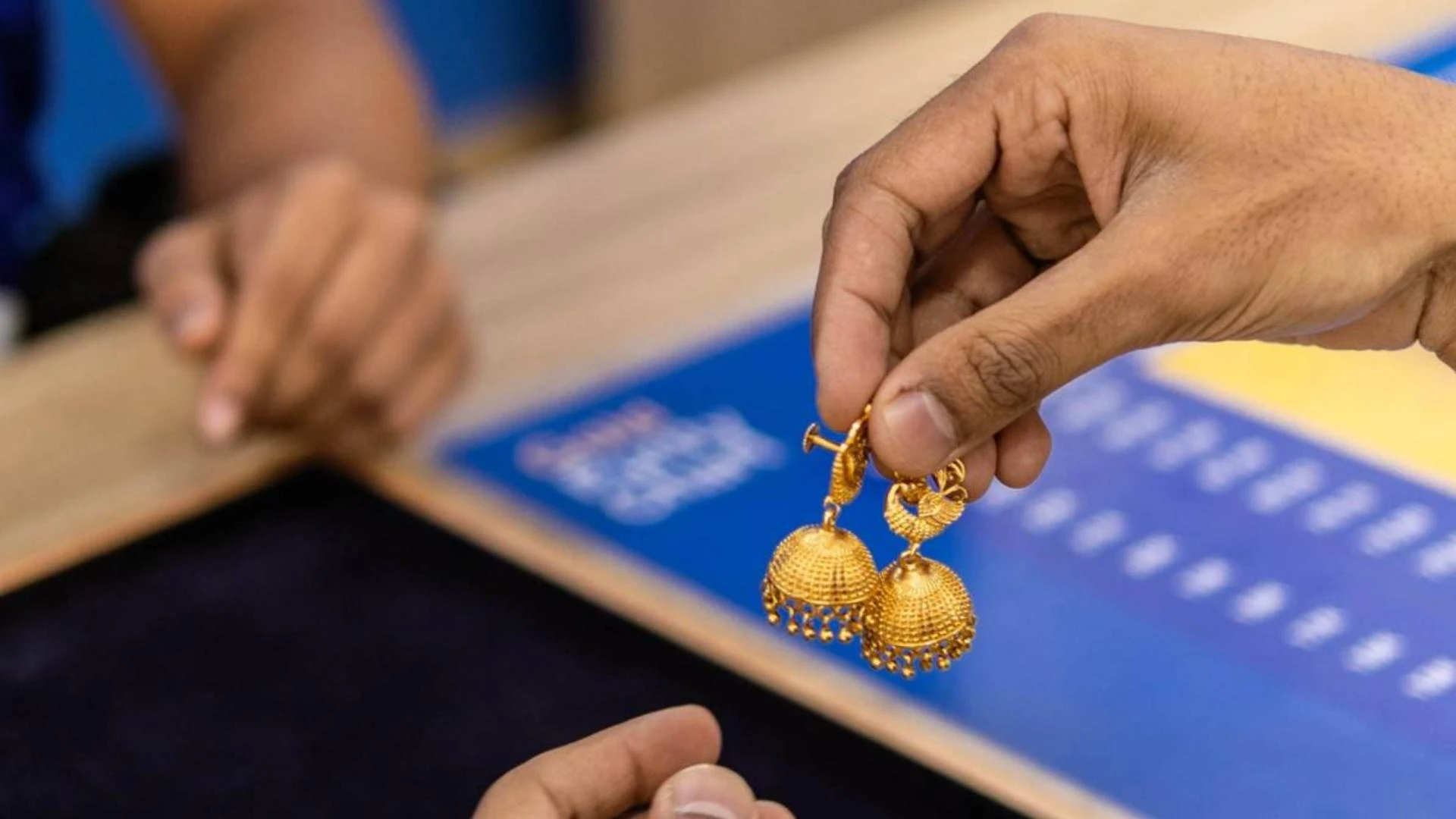

Gold has long been a symbol of wealth, security, and timeless value. Whether it’s in the form of jewelry, coins, or bars, gold holds a special place in personal and investment portfolios. Many people often find themselves in situations where selling gold becomes necessary, be it to fund an urgent expense, upgrade to newer designs, or invest elsewhere. This is where professional gold buyers play a crucial role. Understanding how they operate can help sellers make informed decisions and ensure fair transactions.
1. Initial Consultation and Understanding Your Gold
When you first approach a gold buyer, the process typically starts with an initial consultation. This step is important for both parties. The buyer gets to understand what type of gold you are selling, whether it’s jewelry, coins, or bullion, and you get to learn how the evaluation and selling process works. Professional gold buyers often provide guidance about current market trends and gold rates, ensuring you are aware of the approximate value of your items.
This stage also allows sellers to ask questions about the process, including how the value is determined, the security of the transaction, and payment methods. A trustworthy gold buyer prioritizes transparency and clarity at this stage.
2. Verification of Gold Purity
Once your gold is ready for evaluation, the next step is determining its purity. Gold purity is measured in karats, with 24K being pure gold. Professional gold buyers use specialized equipment to accurately test the gold, including acid tests, electronic testers, and X-ray fluorescence (XRF) machines. These tests help confirm the gold’s authenticity and prevent any disputes during the transaction.
For sellers, this step is essential as it directly influences the final price offered. Understanding how your gold is tested ensures confidence in the process and builds trust with the buyer.
3. Weighing Your Gold
After verifying purity, the gold is carefully weighed. The weight, combined with the purity, determines the overall value of your gold. Reputed gold buyers are meticulous during this step, often weighing the items in front of the seller to maintain transparency. This not only ensures accuracy but also builds trust, as sellers can see the exact calculation that leads to the price offered.
It’s worth noting that even small differences in weight can impact the final payment, making this step critical. Professional buyers use calibrated scales to ensure every gram is accounted for.
4. Calculating the Price
The price calculation is the next step in the gold-selling process. Gold buyers consider several factors when determining the final offer:
- Current market rate: Gold prices fluctuate daily based on global market trends. Buyers use up-to-date rates to calculate value.
- Purity and weight: As mentioned, higher karat gold commands a higher price.
- Condition of the item: Some buyers may also consider the craftsmanship or resale potential of jewelry pieces.
Professional buyers aim to provide a fair offer based on these parameters. Sellers are encouraged to understand how each factor affects the price, which ensures transparency and confidence in the deal.
5. Negotiation and Offer Presentation
Once the price is calculated, the buyer presents the offer. At this stage, there may be room for negotiation, especially for items with significant weight or high karat purity. Experienced gold buyers understand the importance of building long-term relationships, so many provide fair and competitive offers to maintain trust with clients.
It’s important for sellers to ask questions, clarify any doubts, and ensure the offer aligns with their expectations. Professional gold buyers are patient and willing to explain every aspect of the pricing formula.
6. Secure Transaction and Payment
After accepting the offer, the next step is completing the transaction. Trusted gold buyers prioritize secure payment methods to protect both parties. Common payment options include cash, bank transfers, or checks, depending on the buyer’s policies and the seller’s preference.
Security is a top priority during this step. Buyers ensure that the gold is properly documented, receipts are issued, and the seller receives payment promptly. For large transactions, some buyers may even provide insurance coverage during the evaluation and weighing process.
7. Documentation and Record-Keeping
A critical, yet sometimes overlooked, step in the gold-selling process is documentation. Professional gold buyers maintain detailed records of every transaction, including the item description, weight, purity, rate applied, and final payment. This ensures accountability and can be useful for future reference or tax purposes.
For sellers, requesting documentation is a smart move. It provides proof of sale and can help track personal finances accurately.
8. Post-Sale Support and Guidance
Some gold buyers go beyond just buying gold. They offer guidance on future transactions, updates on market trends, and tips on maximizing the value of gold assets. This added support can be valuable, especially for sellers who frequently trade gold or invest in it.
Building a relationship with a trusted buyer can make future sales smoother, quicker, and more profitable.
Conclusion
Selling gold doesn’t have to be a confusing or stressful experience. Understanding how professional gold buyers operate—step by step—helps sellers navigate the process confidently. From initial consultation and purity verification to secure payment and post-sale support, each stage is designed to ensure transparency, trust, and fair value.
Whether you are selling a single piece of jewelry or a collection of gold items, choosing a reputable buyer and knowing how the process works can make all the difference. By following these steps, you can turn your gold assets into instant cash efficiently and securely, while feeling confident that you received the true value of your precious metal.

































Sign in to leave a comment.