

Ghee is the most common and the oldest food item found in Indian homes because of its nutty and buttery taste, its nutritional benefits, and its Ayurvedic benefits. However, as our consciousness level about the food and its benefits rises, one question has been raised time and again, and that is, A2 ghee vs. regular ghee: Which is healthier? Though both are clarified butters, they are different, and this gives both their worth and ease of digestion.
If you have ever wondered about the difference between ghee and A2 ghee, this guide will help you understand everything in a simple way.
What Is A2 Ghee?
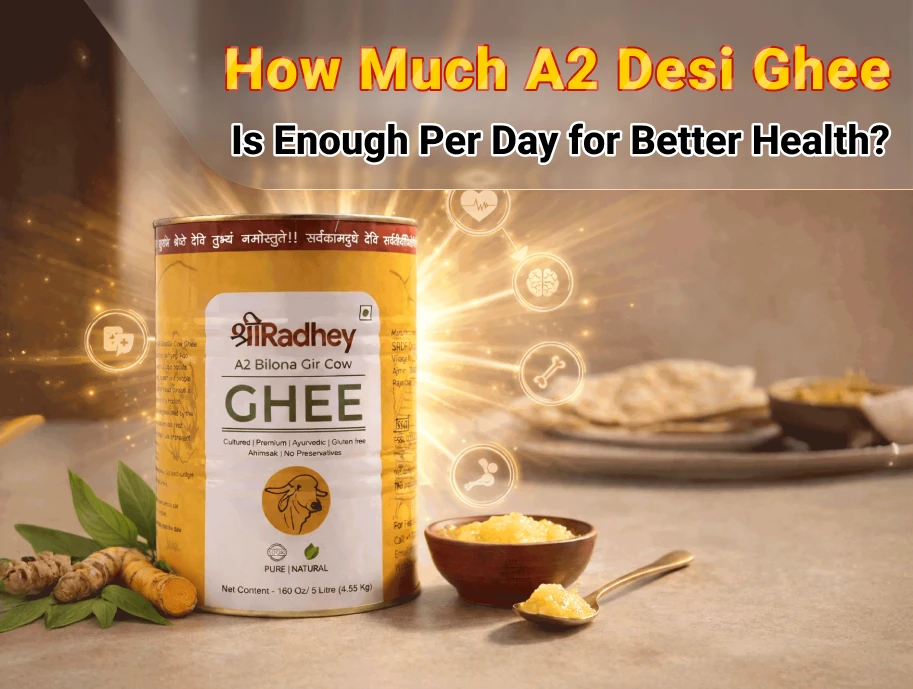
A2 Cow Gir Ghee is made from the milk of Indian native cows having the A2 beta casein protein. The cows that are known to produce A2 milk in India include Gir, Sahiwal, and Red Sindhi. This type of ghee is generally prepared with the traditional method, by which the nutritionally relevant compounds and purity of the ghee remain untouched, as felt by some.
Because it's easier to digest, the A2 ghee is gaining wide popularity amongst health-conscious Indian people and is considered to be very aligned with the ancient nutrition tradition of Ayurveda. Its natural yellow color with nutrients and rich flavor makes it very special for many households looking for a more health-friendly source of fat.
What Is Regular Ghee?
Most of the common ghee is made from the milk of mixed or hybrid breeds of cattle that are known to produce A1 beta-casein protein. Most supermarkets sell ghee of this type, which provides healthy fats and nutrients, but vary quite widely in terms of the method of preparation and quality of the milk, based on the brand.
In terms of desi ghee versus regular ghee, it can be said that desi ghee is usually handmade, while regular ghee might be made commercially using industrial procedures.
Learn more about Bilona Cow Ghee vs Commercial Ghee: Which is the Best Choice?
A2 Ghee vs Regular Ghee: The Key Nutritional Differences
When it comes to comparing A2 ghee and normal ghee on nutritional aspects, it gets really interesting. The facts remain that both types of ghee are packed with fat-soluble vitamins A, D, E, and K as well as the essential fatty acids necessary for energy production and absorption of nutrients.
However, A2 ghee is often considered nutritionally superior for several reasons.
1. Protein Composition Matters
The most distinguishing factor that sets ghee and A2 ghee apart from one another lies in the milk protein. The ghee is prepared using the milk from A2-producing animals (that yield A2 beta-casein protein) in the case of A2 ghee, while the normal ghee uses the A1-producing milk.
People who are slightly uncomfortable when consuming dairy can feel that they are able to benefit from A2-based products. As there is hardly any protein remaining after the clarification process of ghee, this decision may be made by the consumer based on the origin of the milk used.
2. Richness in Healthy Fats
A2 organic ghee and ordinary ghee have beneficial saturated fats and omega fatty acids. But traditionally made A2 ghee might have a little more of the good fats, as traditionally the ghee made from indigenous cows' milk will have benefited from feeding habits and slow methods.
Butyric acid is also one reason people appreciate the A2 ghee, as it is a short-chain fatty acid, which may have health benefits such as digestion and gut health.
3. Better Digestibility
One of the main reasons people prefer A2 ghee is that it is believed to be easier to digest. Ghee made from Desi cows feels lighter on the stomach and is considered to aid digestion.
This is also a reason why arguments concerning desi ghee and regular ghee generally lean in favor of the traditional varieties. According to Ayurveda, desi cow ghee has been valued for its impact on digestion, immunity, and strength.
Does A2 Ghee Offer More Health Benefits?
There are some believed benefits to A2 ghee, besides simply having a good flavor and nutritious value. Some people take it for its believed effects on digestive function, health, glowing skin, the immune system, and energy levels.
Desi Gir Cow Ghee is typically considered more natural, owing to its process and way of making. A2 ghee is also frequently used with Ayurvedic food as an aid in balancing the body and improving absorption.
That being said, regular ghee still contains useful nutrients and will make up part of a balanced diet, if not in excess. It is really the standard in production, sourcing, and quality that will make the biggest difference.
Read: How Desi Ghee Nutrition Supports Everyday Wellness
Desi Ghee vs Regular Ghee: Which One Should You Choose?
When comparing desi ghee with the regular, you have to choose based on your preferences.
If traditional processing, using desi cow milk, and the advantage of perhaps easier digestion is what you prefer, you should opt for A2 ghee. Today, it has become a superfood among the modern-day buyers who look for quality milk and live an organic life.
Ghee, on a regular basis, can serve your need for a healthy and economical product, provided you choose one from a good brand ensuring quality and purity.
Instead of seeing one as completely good and the other as bad, think of them as having different levels of quality. Milk source and production are just as relevant as labels.
Learn More about Pure Ghee vs Adulterated Ghee: Health Risks of Cheap Ghee.
Difference Between Ghee and A2 Ghee: A Quick Comparison
Here is the difference between ghee and A2 ghee to elaborate further:
- Milk Source: In A2 ghee, the ghee is made from native cows giving A2 milk, whereas regular ghee can be made from mixed breeds giving A1 milk.
- Digestibility: Many feel A2 ghee is more digestible for many.
- Traditional: A2 ghee usually involves the traditional Bilona process of making ghee.
- Nutrients: Both the g ghee are nutritional, but A2 ghee may have more nutritional value as the same is obtained from the traditional process and milk yield of a certain cow breed.
Price: A2 ghee generally costs more because it is made using traditional methods, and the milk yield from A2 cows is often lower.
Final Verdict: Which Offers Better Nutrition?
In a comparison between A2 ghee and normal ghee, A2 ghee may be a better choice for those seeking high-quality nutrition, proven preparation methods, and a probable advantage in digestion. This type of ghee may appeal to those who are interested in native cattle and Ayurveda.
On the other hand, you don’t need to discredit pure regular ghee. Pure regular ghee can also provide you with plenty of essential fats, nutrients, and energy to add to an already balanced diet.
At the end of the day, the right ghee will be based on what fits your needs, your budget, and your tastes. It may be worth the extra price if authenticity and health are your main concerns. However, good-quality regular ghee can still be a healthy cooking addition. Click to buy the best A2 cow ghee online.
Originally Posted On: A2 Ghee vs Regular Ghee: Which Offers Better Nutrition?



























Sign in to leave a comment.