

Starting ABA therapy is a significant step for any family. The first year especially can feel both promising and uncertain, as children begin learning new skills while families adjust to a structured treatment routine. Understanding what the process typically looks like can help ease anxiety and set realistic expectations.
After an initial evaluation, a Board Certified Behavior Analyst (BCBA) creates an individualized treatment plan based on the child's strengths, challenges, and family priorities. Goals are written to be measurable and achievable within meaningful timeframes. During the early weeks, the focus is often on building rapport between the child and their therapy team, establishing a comfortable routine, and collecting baseline data that guides all future programming.
What the First Few Months Look Like
In the first three to four months, many families notice that progress is gradual. This is normal and expected. ABA therapy is not a quick fix; it is a systematic approach that builds skills layer by layer. Early goals might target foundational communication, play skills, or daily living tasks like getting dressed or washing hands. The pace depends heavily on where the child starts and how well they respond to the therapist's style.
Data collection is a constant throughout ABA. Each session, therapists record responses to teaching opportunities, and BCBAs review this data regularly to determine if programs need adjustment. Families who stay engaged with their provider's data-sharing process tend to feel more confident in the work being done. When families connect with autism aba services georgia providers who make transparent communication a priority, the process becomes far more navigable.
Parent training is another element that begins early and runs throughout the year. Caregivers learn how to use the same techniques at home, which strengthens generalization of skills. If a child learns to request items using a picture exchange system in therapy, parents practicing the same approach at home dramatically improves retention and real-world use.
How Goals Shift as the Year Progresses
By mid-year, many children have made measurable gains on their original goals, and the treatment plan begins to evolve. New skills are introduced, mastered targets may be replaced by more complex ones, and the team reassesses priorities based on what matters most for the child's development. This is also when families often begin seeing changes in day-to-day behavior at home and in the community.
Families should expect regular progress meetings with the BCBA, where data is reviewed, goals are updated, and questions can be asked. These meetings are an opportunity to voice concerns, celebrate wins, and align the home and therapy environments. The best outcomes in ABA are almost always tied to strong collaboration between families and clinicians.
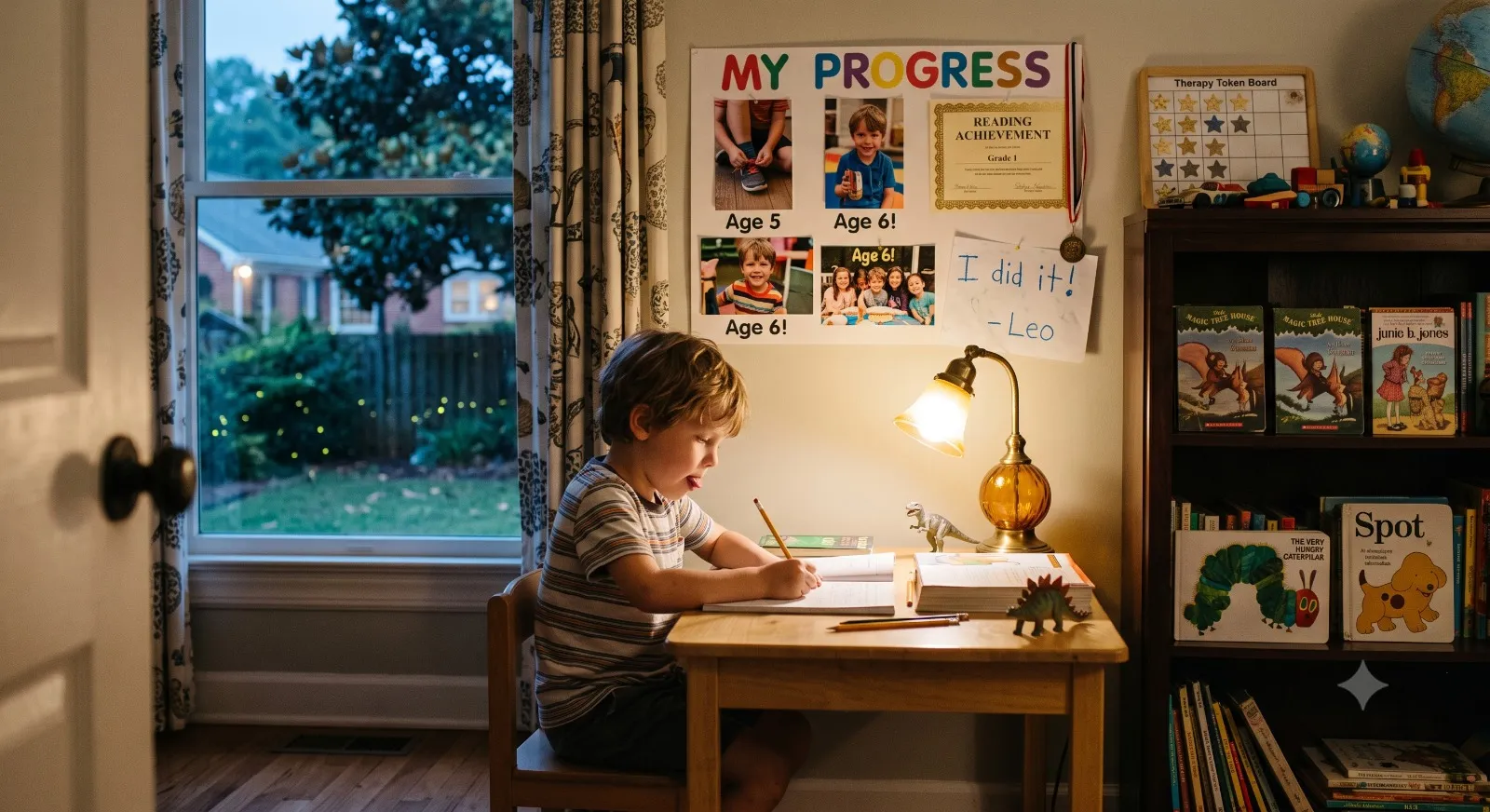
By the end of year one, most children have made documented progress across multiple skill areas. Some may be ready to transition to fewer therapy hours; others may need to maintain or even increase their level of care. The path forward is always guided by the data and the family's goals.
Entering the first year of ABA therapy requires patience, consistency, and trust in the process. Families who stay actively involved and maintain open communication with their team are far better positioned to see lasting results.































Sign in to leave a comment.