

A comfortable indoor environment begins with an air conditioning system suited to the property. Room size, ceiling height, insulation, window placement, sunlight exposure, and the number of occupants can all influence cooling requirements. AC Installation starts with evaluating these factors before selecting the equipment. A unit that is too small may struggle to maintain the desired temperature, while an oversized system may cycle frequently and control humidity less effectively. Choosing an appropriately sized air conditioner helps support consistent cooling and allows the system to operate according to the needs of the room.
Determine the Right Type of Cooling System
Different properties require different air conditioning arrangements. Window units may suit smaller rooms, while split systems are common in bedrooms, living areas, and offices. Larger properties may benefit from ducted systems or multiple indoor units connected to a suitable outdoor unit. During AC Installation, the building layout, available electrical supply, cooling requirements, and installation limitations should all be considered. Each system has different maintenance needs and installation requirements. Understanding these differences before purchasing equipment can help homeowners choose a setup that fits their property and everyday comfort preferences.
Select the Best Location for Indoor Units
The placement of an indoor air conditioning unit affects airflow, comfort, and ease of maintenance. Units should generally be positioned where cooled air can circulate throughout the room without being obstructed by furniture, curtains, or other objects. Proper AC Installation in Las Vegas also considers sunlight exposure, nearby heat sources, drainage requirements, and access for future servicing. In split systems, the indoor unit should be positioned according to the manufacturer's clearances and mounting instructions. A suitable location can reduce uneven cooling and help prevent cold air from blowing directly onto frequently occupied seating or sleeping areas.
Position the Outdoor Unit Carefully
The outdoor unit releases heat removed from the indoor space, so it needs adequate airflow around its condenser coil. Installing it in a cramped or poorly ventilated location can interfere with heat rejection and affect system performance. AC Installation should provide a stable, level mounting surface and enough clearance for airflow, inspection, and maintenance. The unit should also be protected from avoidable physical damage and positioned to reduce unwanted vibration or noise near living areas. Local weather conditions, drainage, manufacturer requirements, and the practical route for connecting the indoor and outdoor units should guide the final placement.
Prepare Electrical Connections Safely
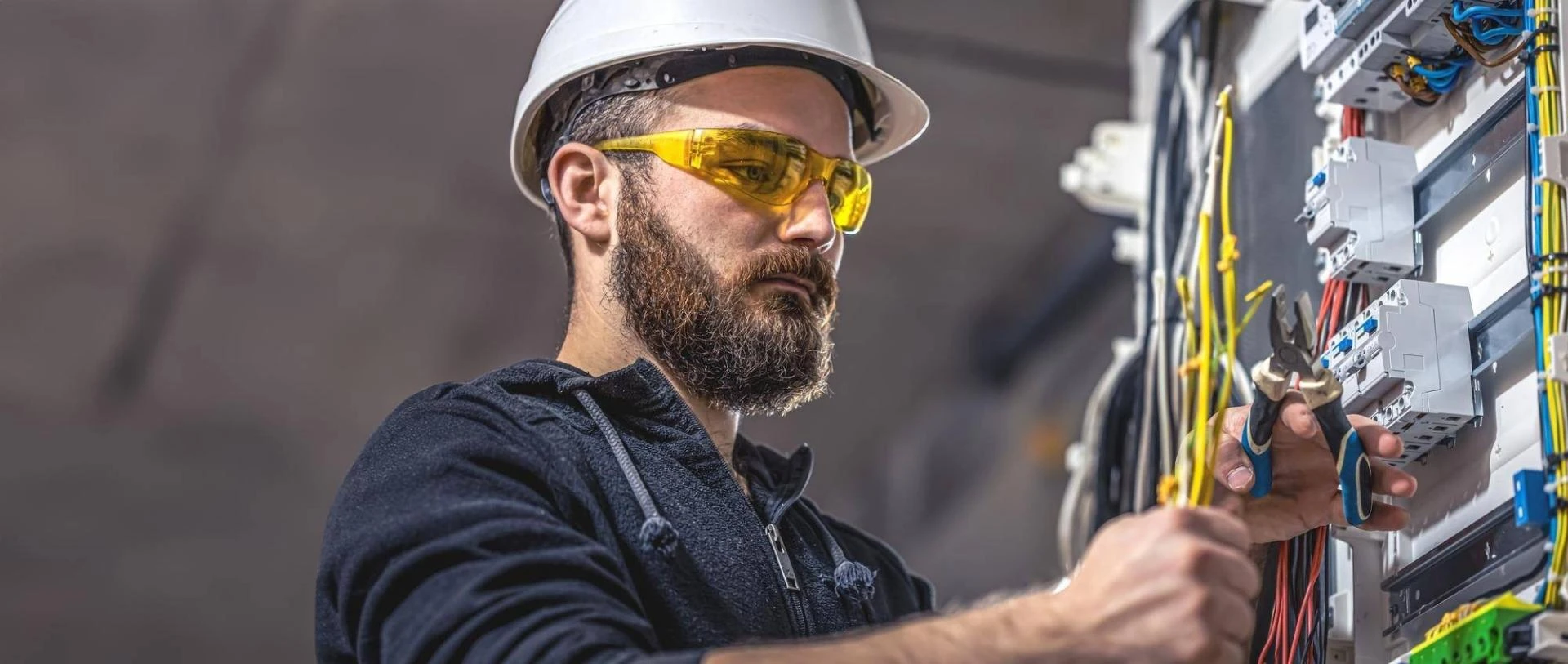
Air conditioners require electrical connections that match the equipment's specifications and the property's available supply. Depending on the unit, installation may require a dedicated circuit, suitable wiring, correctly rated protection, and proper grounding. Safe AC Installation includes verifying the electrical requirements before the equipment is connected and operated. Undersized wiring, unsuitable breakers, or incorrect connections can create equipment faults and serious safety risks. Electrical work should be completed by a qualified professional in accordance with applicable regulations. Confirming these details in advance can prevent avoidable delays and reduce the risk of electrical problems after installation.
Install Refrigerant Lines and Drainage Properly
Split air conditioning systems use refrigerant lines to transfer heat between the indoor and outdoor units. These lines must be sized, routed, insulated, and connected according to the manufacturer's instructions. During AC Installation, technicians should also follow the required procedures for leak testing, evacuation, and refrigerant charging when applicable. Condensate drainage needs equal attention because moisture removed from indoor air must be directed away safely. Incorrect pipe slopes, blocked drains, damaged insulation, or poorly sealed connections can contribute to leaks and reduced performance. Careful installation of these components helps the system operate as intended.
Consider Airflow and Room Layout
An air conditioner needs an unobstructed path for drawing in warm air and distributing cooled air. Tall furniture, partitions, curtains, and unusual room layouts can affect circulation and create areas that remain warmer than others. Thoughtful AC Installation considers the room's shape and the location of windows, doors, and regularly occupied spaces. In larger homes, more than one unit or a different system design may be necessary to achieve balanced cooling. Planning airflow before mounting the equipment can reduce discomfort and help the system cool the intended area more consistently.
Check Insulation and Energy Performance
Air conditioning performance depends partly on how effectively the building retains cooled air. Poorly sealed windows, gaps around doors, inadequate insulation, and excessive direct sunlight can increase the cooling load. Before AC Installation, it is useful to review these conditions because improvements to the building envelope may reduce the amount of cooling required. Energy ratings, inverter technology, thermostat features, and appropriate system sizing can also influence electricity consumption. Selecting equipment based on both cooling needs and operating costs can support a more practical long-term investment rather than focusing only on the purchase price.
Test the System Before Regular Use
Once the equipment has been installed, it should be tested according to the manufacturer's commissioning procedures. The installer should verify system operation, airflow, temperature response, drainage, electrical performance, and refrigerant-related checks where applicable. Proper AC Installation includes confirming that the indoor and outdoor units communicate correctly and that no unusual vibration, noise, or water leakage is present. The owner should also understand how to operate the controls, clean accessible filters, and recognize warning signs. A careful final check provides a useful baseline for future maintenance and helps identify installation-related issues before they become more disruptive.
Maintain Your Air Conditioner After Installation
A newly installed system still requires routine care to preserve its performance. Filters should be cleaned or replaced according to the manufacturer's guidance, outdoor units should remain clear of debris, and condensate drainage should be checked periodically. Professional servicing can address components that require specialized inspection or cleaning. After AC Installation, keeping the equipment manual, warranty information, and service records in an accessible place can make future maintenance easier. Changes in cooling performance, unusual noises, water leaks, or repeated shutdowns should be investigated promptly. With suitable equipment, careful installation, and consistent upkeep, an air conditioner can provide comfortable indoor conditions over the long term.


















Sign in to leave a comment.