

In today’s fast-paced digital and physical environments, access control security has become an essential element for protecting both people and assets. Whether it’s a corporate office, a warehouse, or even a residential complex, the demand for reliable security solutions has never been greater. Businesses are moving away from traditional locks and keys, adopting smarter and more effective ways to manage who can enter their premises and when.
What is Access Control Security?
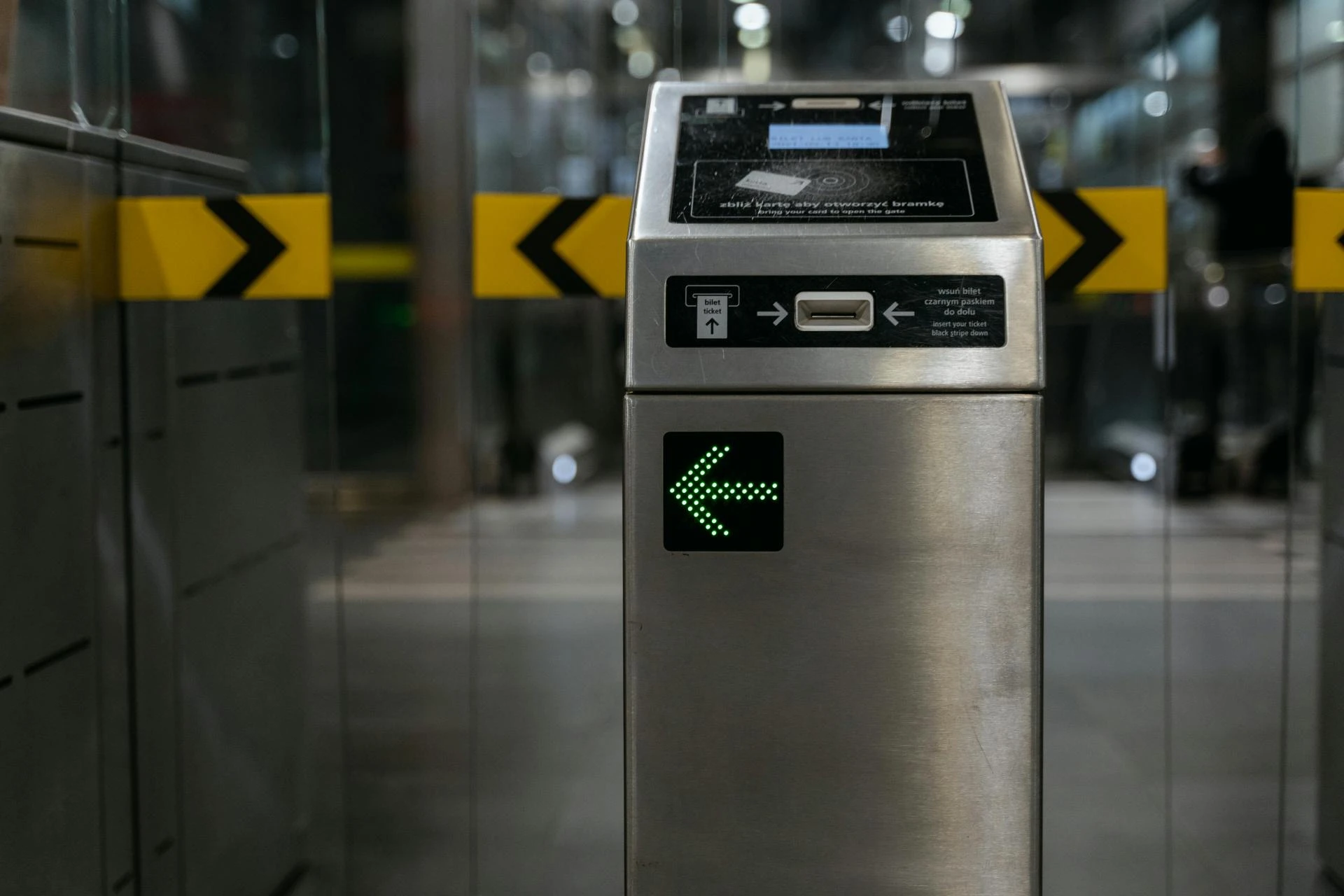
Access control security refers to the practice of regulating who can access a particular location, system, or resource. Instead of relying solely on mechanical locks, modern systems use technology such as:
- Key cards and fobs
- PIN codes
- Biometric systems (fingerprints, facial recognition, iris scans)
- Mobile credentials via smartphones
These solutions are not only more secure but also more convenient, enabling organizations to track and monitor access in real time.
Benefits of Access Control Security
- Enhanced Safety – Unauthorized individuals are prevented from entering sensitive areas, reducing risks of theft, vandalism, or breaches.
- Centralized Management – Administrators can control access rights remotely, update credentials instantly, and even revoke access in seconds.
- Detailed Reporting – Many systems provide logs of who entered, when, and for how long. This is invaluable for audits or incident investigations.
- Scalability – Access control security can grow with your organization, whether you have a small office or a large multi-site enterprise.
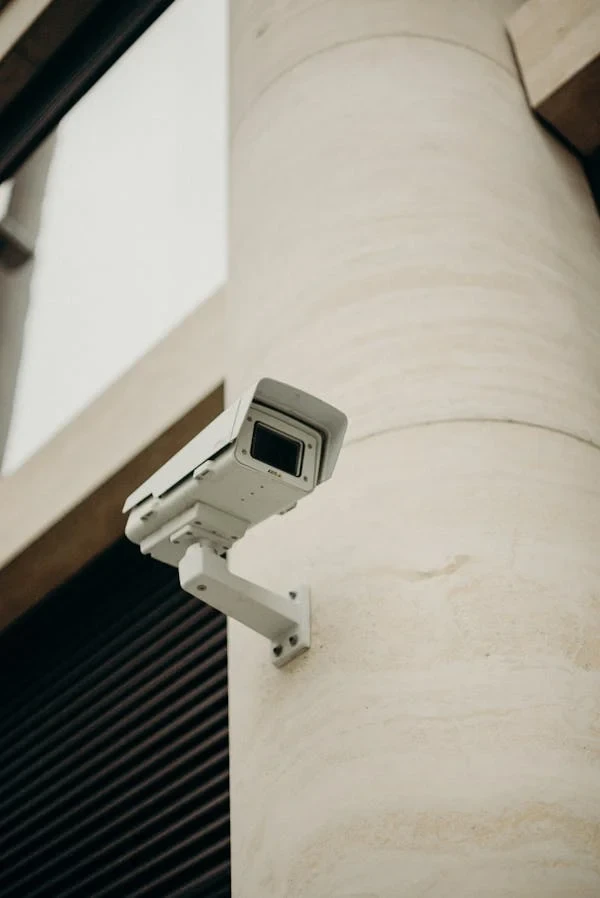
- Integration with Other Systems – Modern solutions integrate seamlessly with CCTV, alarm systems, and visitor management platforms.
Types of Access Control Systems
- Discretionary Access Control (DAC) – Access is granted by the system owner, often suitable for small businesses.
- Mandatory Access Control (MAC) – Common in high-security government or military setups, where access policies are strictly enforced.
- Role-Based Access Control (RBAC) – Access is assigned according to roles or job functions, popular in corporate settings.
- Biometric Systems – Cutting-edge security using unique physical traits like fingerprints or face scans.
Why Businesses Should Invest
With rising concerns about cybercrime and physical threats, investing in access control security is no longer optional. Companies face financial, legal, and reputational damage when unauthorized access leads to data leaks or physical theft. Moreover, compliance with industry regulations often requires robust access management systems.
Example in Action
Imagine a healthcare facility. Without access control, sensitive patient records, expensive equipment, and restricted areas could easily be compromised. By implementing a biometric access system, only authorized medical staff can enter certain departments, ensuring privacy, security, and compliance with health regulations.
Frequently Asked Questions (FAQ)
Q1: What industries benefit most from access control security?
A: Almost every industry benefits, but healthcare, finance, government, education, and manufacturing have the highest demand due to sensitive data and assets.
Q2: Can access control systems integrate with CCTV cameras?
A: Yes. Most modern systems integrate with surveillance cameras, allowing administrators to view access events alongside video footage.
Q3: Is biometric access control safe?
A: Yes, biometric systems are highly secure and difficult to duplicate. However, choosing a reliable provider with strong encryption is crucial.
Q4: What is the cost of installing an access control system?
A: Costs vary depending on system complexity, size of premises, and technology used. Small businesses may invest a few hundred dollars, while large enterprises may spend several thousand.
Testimonial
"We upgraded to a biometric access control security system last year, and the difference has been remarkable. Not only do we feel safer, but managing employee access has become incredibly efficient. The system logs helped us resolve an incident quickly, proving its value instantly."
— Mark W., Operations Manager, Melbourne
Conclusion
Access control security is more than just a safety measure—it’s a smart business investment. By preventing unauthorized access, simplifying management, and offering scalability, these systems empower organizations to safeguard both physical and digital assets. As threats continue to evolve, adopting modern access control solutions ensures businesses remain protected, compliant, and efficient.




























Sign in to leave a comment.