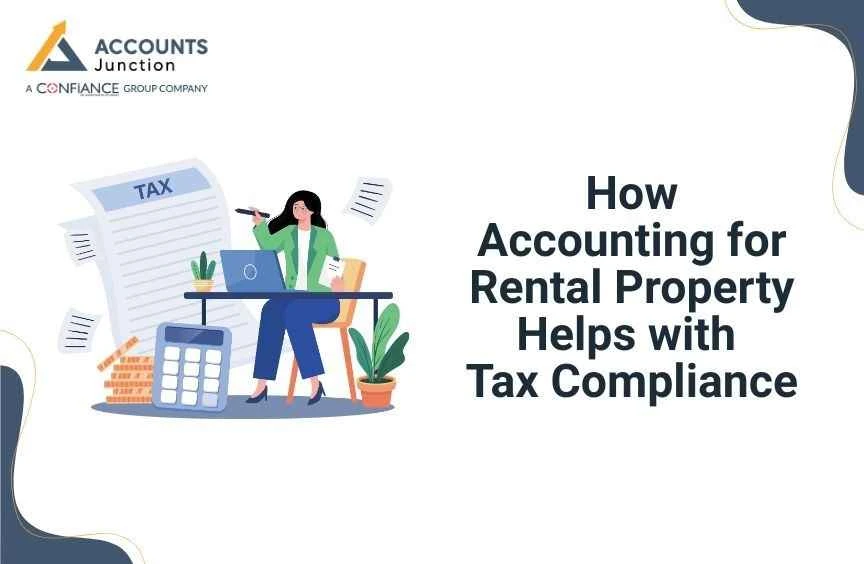
Owning rental property can be a great way to generate steady income and build long-term wealth. However, managing rental finances is just as important as maintaining the property itself. Proper accounting for rental property helps landlords track income, control expenses, and stay compliant with tax regulations. Whether you own one rental unit or multiple properties, organized financial records are essential for maximizing profitability.
Why Accounting for Rental Property Matters
Rental property accounting goes beyond simply collecting rent. It provides a clear financial picture of how your property is performing. With accurate accounting, landlords can:
- Monitor rental income and cash flow
- Track property-related expenses
- Prepare for tax season with ease
- Avoid financial errors or missed deductions
- Make informed investment decisions
Without proper accounting, landlords may struggle with budgeting, tax reporting, and understanding the true profitability of their rentals.
Key Components of Rental Property Accounting
- Tracking Rental Income
Rental income includes monthly rent payments, advance rent, late fees, and other charges such as parking or pet fees. Keeping detailed records ensures accurate reporting and prevents disputes. - Managing Expenses
Landlords can deduct many operating expenses, including:
- Repairs and maintenance
- Property management fees
- Utilities paid by the owner
- Insurance premiums
- Advertising and tenant screening costs
- Mortgage interest
Tracking these costs properly helps reduce taxable income and improves financial planning.
- Depreciation Benefits
Rental property owners may claim depreciation, which allows them to deduct the property’s value over time. This is one of the most valuable tax benefits, but it requires accurate accounting. - Separate Records for Each Property
If you own multiple rentals, maintaining separate accounts for each property helps you evaluate performance and identify which units are most profitable.
Benefits of Professional Rental Property Accounting
Many landlords choose professional accounting support to save time and avoid mistakes. Expert accountants ensure:
- Accurate, organized financial records
- Better cash flow and expense management
- Tax-ready documentation throughout the year
- Maximized deductions and compliance
- Clear financial insights for growth planning
How Accounts Junction Can Help
At Accounts Junction, we specialize in accounting for rental property owners and real estate investors. Our team helps landlords track rental income, manage expenses, prepare financial reports, and stay compliant with tax regulations. With our professional support, you can focus on growing your real estate portfolio while we handle the financial details.
Proper accounting is the foundation of successful rental property management. With the right systems and expert guidance, landlords can stay organized, reduce stress, and maximize long-term returns.





























Sign in to leave a comment.