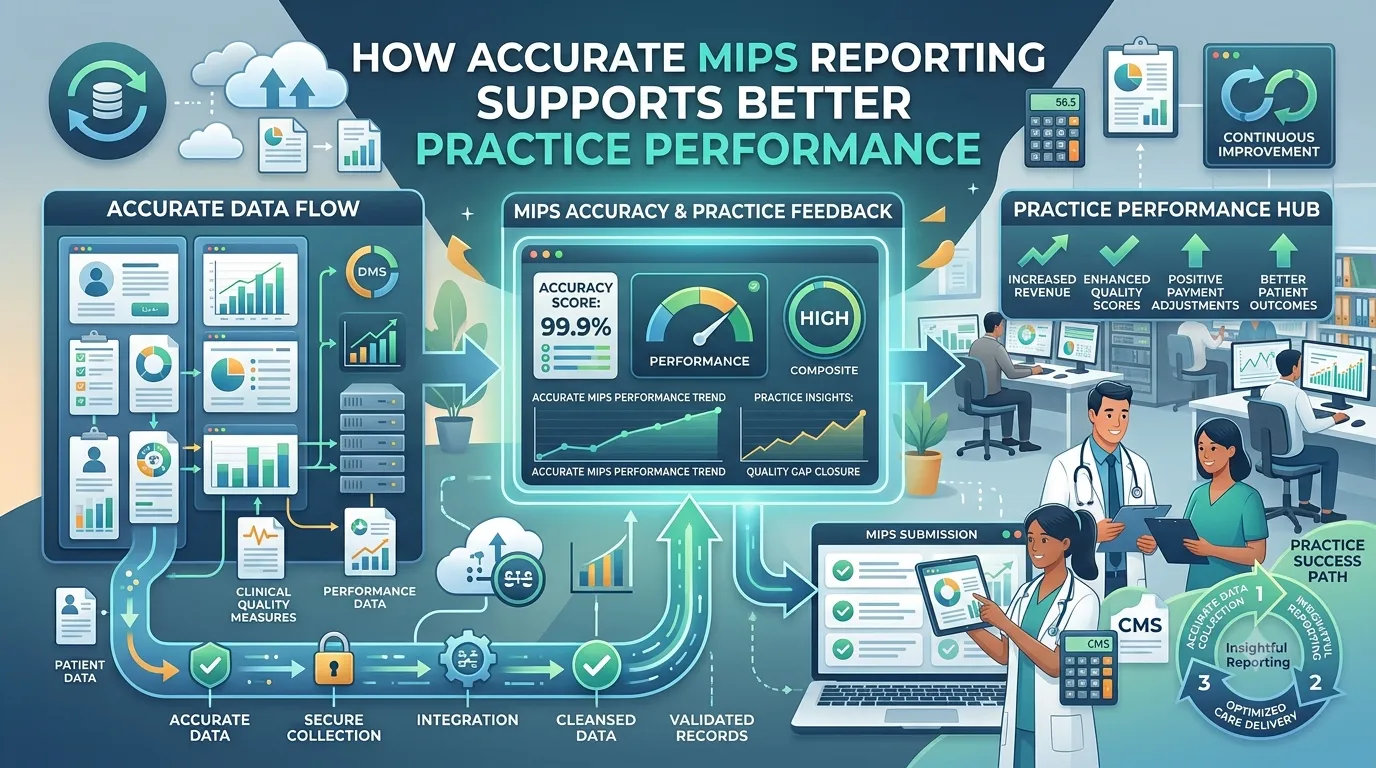

Healthcare practices today face increasing pressure to deliver quality patient care while managing complex regulatory and reporting responsibilities. For eligible clinicians participating in the Merit based Incentive Payment System, accurate performance reporting is an important part of managing Medicare requirements and understanding overall practice performance.
This is where effective MIPS Reporting can make a meaningful difference. Instead of treating reporting as a once a year administrative obligation, healthcare organizations can use performance data to identify gaps, improve workflows, and make informed decisions about quality improvement.
With the right processes and professional guidance, practices can better understand their reporting responsibilities and take action before submission deadlines. Organizations such as Proactive Healthcare Services help healthcare practices navigate administrative and performance reporting challenges through structured, healthcare focused support.
Understanding the Role of MIPS Reporting
The Merit based Incentive Payment System, commonly known as MIPS, is part of the Quality Payment Program established under Medicare. Eligible clinicians may be evaluated through performance categories and measures that address areas such as quality, cost, improvement activities, and promoting interoperability, depending on the applicable program requirements.
The purpose of performance reporting goes beyond simply sending information to CMS. The data collected and reported can provide valuable insight into how effectively a practice is meeting established performance expectations and where operational improvements may be needed.
Accurate reporting requires more than collecting information at the end of a performance period. Practices need consistent data capture, appropriate documentation, measure selection, validation, and careful review before submission.
A structured approach can help reduce reporting errors while giving healthcare organizations greater visibility into their performance.
Why Data Accuracy Matters in MIPS
Data accuracy plays a central role in successful MIPS participation. Incomplete, inconsistent, or poorly documented information can affect how a practice's performance is represented.
For example, a healthcare organization may provide appropriate patient care but encounter reporting difficulties if clinical documentation does not adequately support the selected measures. Similarly, inconsistent workflows can result in missing information or unreliable performance data.
Effective quality MIPS reporting involves reviewing information throughout the performance cycle rather than waiting until the final submission period. Regular monitoring allows practices to identify potential gaps early and address them while there is still time to make improvements.
This approach can also strengthen internal accountability. When clinicians and administrative teams understand which measures are being monitored and how they relate to practice goals, it becomes easier to align everyday workflows with performance objectives.
Connecting MIPS Value Pathways With Practice Goals
The MIPS program continues to evolve, with increasing attention on specialty focused and meaningful performance measurement. MIPS Value Pathways are designed to create a more streamlined approach by connecting measures and activities around a clinician's specialty or clinical focus.
For healthcare practices, understanding these pathways is important because reporting decisions should reflect applicable requirements and the services provided by the organization.
Rather than viewing MIPS as a collection of unrelated measures, practices can consider how individual reporting requirements connect with broader clinical and operational priorities. This perspective may help organizations develop more coordinated workflows and improve communication between clinical and administrative teams.
Because program requirements may change, practices should review current CMS guidance and applicable reporting specifications when developing their performance strategy.
Building a Reliable MIPS Reporting Process
A dependable reporting process begins with preparation. Practices should first determine their eligibility, applicable requirements, reporting options, and relevant performance categories.
From there, organizations can establish a process that includes:
- Identifying applicable measures and activities
- Assigning responsibility for data collection
- Reviewing documentation requirements
- Monitoring performance throughout the reporting period
- Identifying missing or inconsistent information
- Validating data before submission
- Maintaining appropriate reporting records
This structured process can help reduce the risk of last minute reporting problems.
Technology may also support performance management by helping practices organize information and monitor data. However, technology alone does not guarantee accurate results. Information still needs to be interpreted correctly, workflows must be followed consistently, and reporting decisions should be reviewed by knowledgeable professionals.
The combination of reliable systems, accurate data, and informed oversight can provide a stronger foundation for managing performance reporting.
Common Challenges Healthcare Practices Face
MIPS participation can become difficult when healthcare practices have limited resources or inconsistent internal processes. Smaller organizations may find it particularly challenging to balance patient care responsibilities with administrative and reporting requirements.
Common challenges include incomplete documentation, changing program requirements, limited staff capacity, unclear measure selection, and difficulty tracking performance across different reporting areas.
Another challenge is waiting too long to evaluate performance. When a practice reviews its information only near the final submission deadline, there may be limited opportunities to correct documentation gaps or improve performance.
Ongoing monitoring provides a more proactive alternative. It allows healthcare organizations to identify potential issues earlier and make appropriate adjustments while the performance period is still active.
The Importance of MIPS Submission Preparation
A successful MIPS Submission involves more than simply transmitting data to CMS. Before submission, practices should review their information for accuracy, completeness, and alignment with applicable reporting requirements.
A final review may include checking measure specifications, confirming supporting documentation, validating patient data, and ensuring that the selected reporting method is appropriate.
Practices should also maintain organized internal records of their reporting activities. Documentation can support accountability and provide a useful reference for future reporting cycles.
Because requirements and specifications can evolve, healthcare organizations should rely on current official guidance rather than outdated checklists or assumptions based solely on previous reporting years.
How Proactive Healthcare Services Can Support Healthcare Practices
Every healthcare organization has different operational needs, specialties, staffing structures, and reporting responsibilities. For this reason, an effective reporting strategy should be tailored to the individual practice rather than relying on a one size fits all approach.
Proactive Healthcare Services focuses on supporting healthcare organizations with complex administrative and performance related responsibilities. A structured approach to MIPS support can help practices organize reporting workflows, review relevant performance information, identify potential gaps, and prepare for submission requirements.
The value of professional support extends beyond completing a reporting task. With appropriate processes in place, healthcare practices can develop greater consistency in data management, documentation, and performance monitoring.
By combining knowledgeable oversight with organized internal workflows, practices may be better positioned to manage reporting responsibilities and make informed decisions about their quality improvement efforts.
Turning Reporting Data Into Meaningful Improvement
One of the most valuable aspects of MIPS is the opportunity to use performance information as a tool for improvement.
Reporting data can help healthcare practices recognize patterns, evaluate workflows, and identify areas that may require additional attention. Performance results, for example, may reveal opportunities to strengthen preventive care processes, improve documentation, enhance patient engagement, or refine internal procedures.
This makes reporting more than a compliance exercise. When used effectively, performance information can become part of a broader quality improvement strategy.
Healthcare leaders can review results with clinical and administrative teams, discuss operational challenges, and determine which changes may have the greatest practical impact. This creates a more sustainable approach to managing performance.
A Proactive Approach to Long Term Performance
Successful MIPS participation requires ongoing attention rather than a last minute effort. Practices that monitor performance consistently, maintain reliable documentation, and stay informed about current program requirements are better prepared to manage their reporting responsibilities.
The most effective approach combines accurate data, knowledgeable oversight, organized workflows, and continuous review.
For healthcare practices, the real value of MIPS reporting lies in understanding what performance data reveals and using those insights to support meaningful improvement. By connecting reporting activities with everyday clinical and operational goals, organizations can move beyond basic compliance and develop a more informed approach to performance management.
With the right strategy and professional support from healthcare focused organizations such as Proactive Healthcare Services, practices can approach their reporting responsibilities with greater clarity while building sustainable processes that support accurate reporting, quality improvement, and stronger overall practice performance.





















Sign in to leave a comment.