

Most ACL tears in Peshawar go undiagnosed for too long. Patients are told to rest, given a brace, and sent home — only to find the knee still gives way months later. The window for optimal ACL reconstruction is not indefinite: cartilage and meniscal damage accumulates every month an unstable knee is left unaddressed. At OAIC, Dr Muhammad Inam provides accurate diagnosis and a clear treatment pathway — whether surgery is needed or not — so patients across KPK get the right answer early.
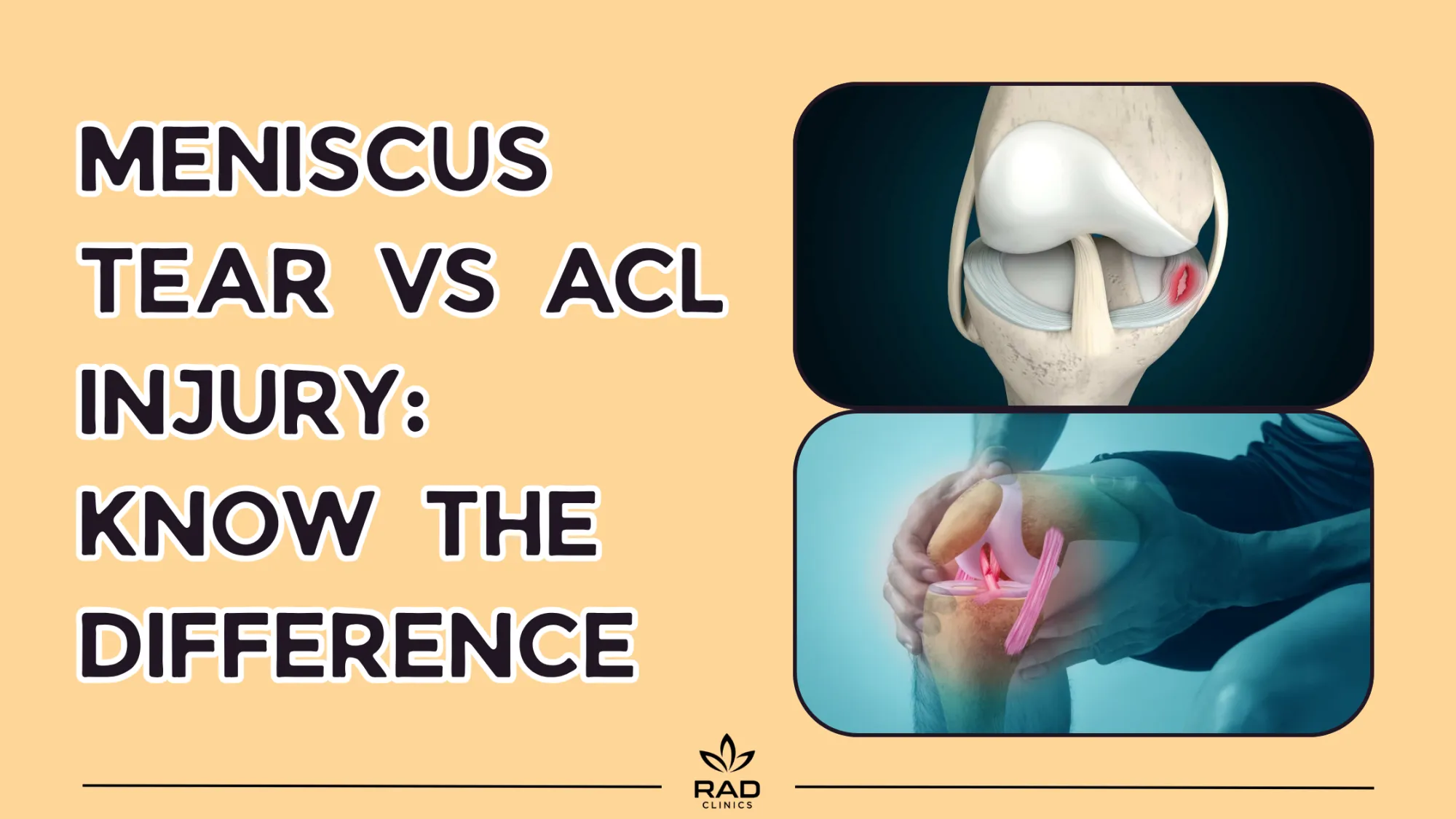
The anterior cruciate ligament (ACL) is one of the four major ligaments that hold the knee together. It runs diagonally through the middle of the joint, controlling rotational stability and preventing the tibia from sliding forward relative to the femur. When it tears — typically during a sudden pivot, landing from a jump, or a direct blow to the knee — the joint loses its primary stabiliser.
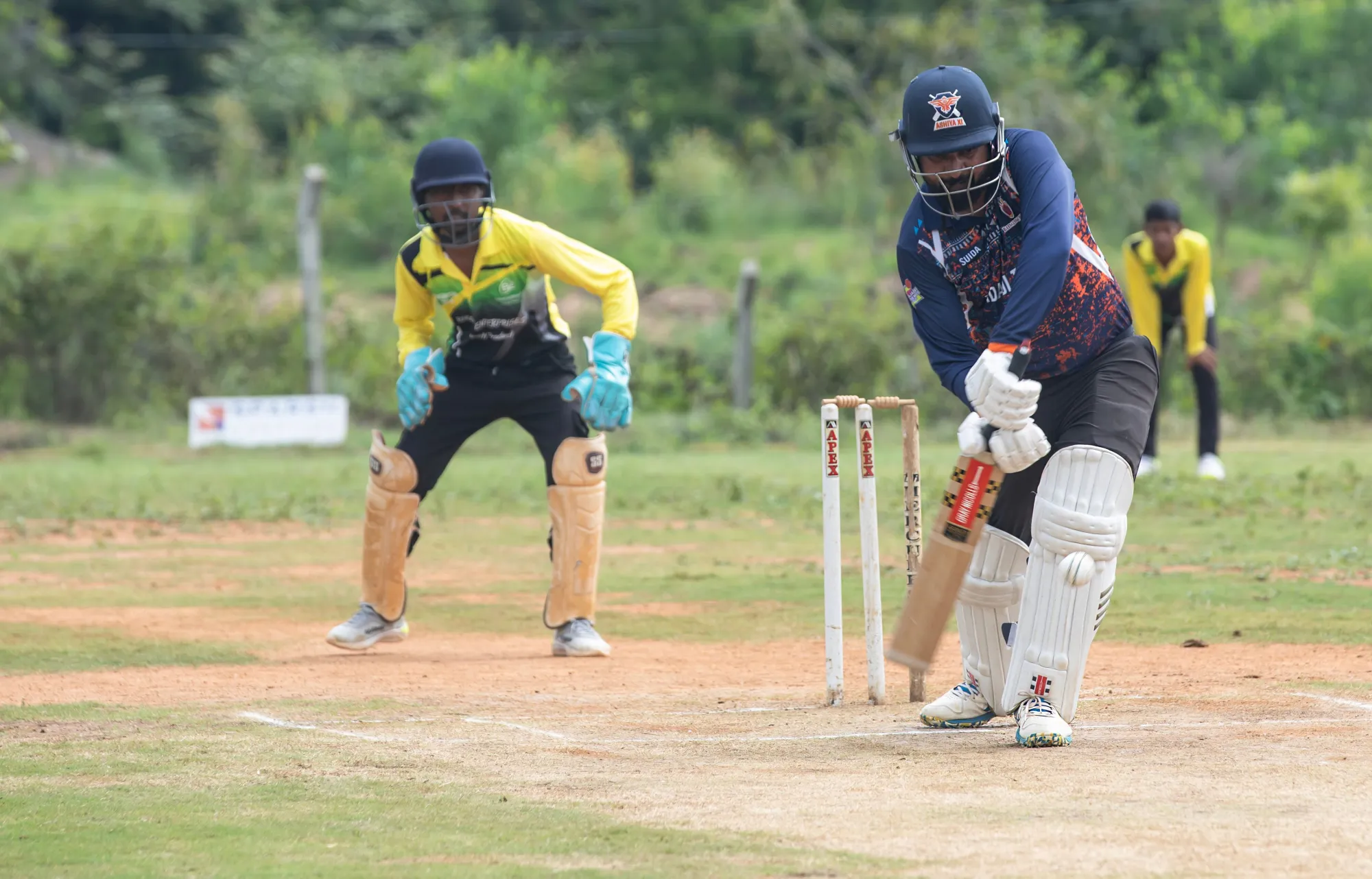
ACL injuries are common across all age groups in Pakistan: cricketers, footballers, wrestlers, and ordinary people injured in road accidents or falls. What differs is whether the tear is partial or complete, and whether the patient needs surgery to regain the stability required for their activity level. Dr Inam’s dedicated Fellowship in Arthroscopy, Sports Medicine, and Orthobiologics in Greece means this assessment is made with subspecialty precision — not general orthopaedic approximation.
Does Your Knee Need ACL Reconstruction?
Not every ACL tear needs surgery — but every ACL tear needs proper assessment. The right treatment depends on the degree of tearing, your activity demands, and whether other structures are injured. Here is how different presentations are typically approached at OAIC.























Sign in to leave a comment.