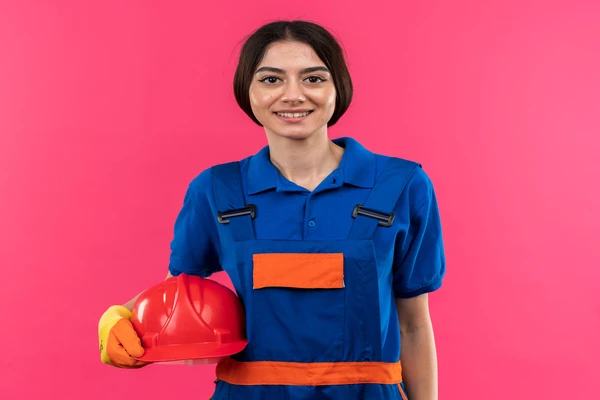
India’s industrial workforce is evolving, with more women joining factories, logistics units, and construction sites. Yet, most traditional industrial uniforms are designed using generic, male-centric patterns. This often leads to discomfort, restricted mobility, and safety concerns for women workers — from sleeves that are too long to protective gear that does not fit securely.
With industries prioritizing safety, efficiency, and inclusivity, adaptive workwear has emerged as a solution that balances comfort, functionality, and protection. Industrial uniform manufacturers across India are increasingly developing designs tailored for women, enabling them to work safely and confidently in diverse environments.
What Makes Adaptive Uniforms for Women Different
Adaptive uniforms are engineered to fit women’s body shapes while responding to the demands of industrial work. Key considerations include:
- Ergonomic Fit: Tailored silhouettes, adjustable waistbands, and flexible cuts ensure comfort without compromising safety.
- Climate-Responsive Fabrics: Breathable fabrics for hot weather, water-repellent finishes for monsoon, and insulated layers for cooler regions.
- Integrated Safety Features: Reflective elements, flame-resistant materials, and secure fastenings allow freedom of movement while maintaining protection.
Such uniforms help women remain comfortable, agile, and confident throughout their workday.
Core Design Principles
Adaptive uniforms are created with careful attention to ergonomics, durability, and safety:
- Ergonomic Fit: Designs account for narrower shoulders, shaped waists, and proportionate hip measurements. Elastic panels and adjustable tabs allow a personalized fit.
- Breathable & Flexible Fabrics: Fabrics are selected to balance airflow, protection, and comfort across India’s diverse climates.
- Layering Systems: Modular designs make uniforms versatile for varying conditions:
- Base Layer: Breathable and sweat-absorbing fabrics.
- Mid Layer: Optional thermal or protective padding.
- Outer Layer: Weatherproof and abrasion-resistant shells.
- Functional Safety Features: High-visibility stripes, flame-retardant finishes, and secure closures protect workers while maintaining mobility.
Industries Benefiting from Adaptive Uniforms
Adaptive workwear is increasingly adopted across sectors where women perform field and shop-floor roles:
- Manufacturing & Assembly: Ergonomic uniforms reduce fatigue and improve efficiency.
- Oil, Gas & Utilities: Flame-resistant gear with better coverage ensures safety.
- Construction & Infrastructure: Durable, high-visibility uniforms support mobility on site.
- Healthcare & Pharmaceuticals: Comfortable, antimicrobial fabrics allow extended work hours.
- Warehousing & Logistics: Breathable, stretchable uniforms provide ease of movement.
Leading manufacturers are now designing solutions that align with these varied industry needs, setting a benchmark for inclusive industrial workwear.
Advantages of Adaptive Uniforms
Adopting adaptive uniforms offers several benefits:
- Enhanced Comfort: Proper fit reduces physical strain.
- Improved Safety: Protective features function effectively when uniforms fit correctly.
- Higher Productivity: Comfortable employees perform more efficiently.
- Gender Inclusivity: Supports a progressive, equitable workplace culture.
- Global Compliance: Adherence to standards such as Oeko-Tex, REACH, and ISO certifications ensures quality and safety.
Meeting Challenges Through Innovation
Designing adaptive workwear requires overcoming challenges such as limited women-specific sizing data, diverse climatic conditions, and small-scale compliance testing.
Progressive industrial uniform manufacturers, with years of experience, conduct fit trials with female employees, test fabrics for comfort and durability, and ensure compliance with global safety standards. This results in inclusive, high-quality uniforms that meet both domestic and international industry requirements.
Lifespan and Cost Efficiency
Adaptive uniforms represent a long-term investment. With proper care, they typically last 2–3 years. Modular components allow partial replacements, reducing overall costs while maintaining quality. By prioritizing ergonomics and sustainability, businesses can achieve better ROI and improved worker satisfaction.
Sustainability and Environmental Impact
Adaptive uniforms contribute to sustainability by enabling partial replacements instead of full uniform changes. Benefits include:
- Reduced textile waste.
- Extended garment lifecycle.
- Support for corporate ESG initiatives.
Why Choose Unito for Adaptive Women’s Uniforms
Unito has established itself as a trusted industrial uniform manufacturer in India, specializing in adaptive solutions for women workers. Combining decades of technical expertise with a commitment to inclusivity, Unito provides ergonomically designed uniforms that prioritize comfort, safety, and functionality. Their products are made from certified, climate-responsive fabrics and comply with international standards such as Oeko-Tex, REACH, and ISO. By offering modular and sustainable designs, Unito ensures businesses can maintain high-quality uniforms while supporting worker satisfaction and environmental responsibility.
The Future of Industrial Workwear
As India’s workforce becomes more inclusive, adaptive uniforms designed for women are no longer optional — they are essential. Modern industrial workwear combines safety, comfort, and sustainability, ensuring women employees can perform their roles effectively.
For businesses looking to enhance workplace safety, comfort, and inclusivity, Unito provides innovative and reliable solutions. Companies can explore a comprehensive range of women-focused adaptive uniforms that are ergonomically designed, globally compliant, and suitable for India’s diverse industrial environments. Discover more at Unito.










Sign in to leave a comment.