
First of all,
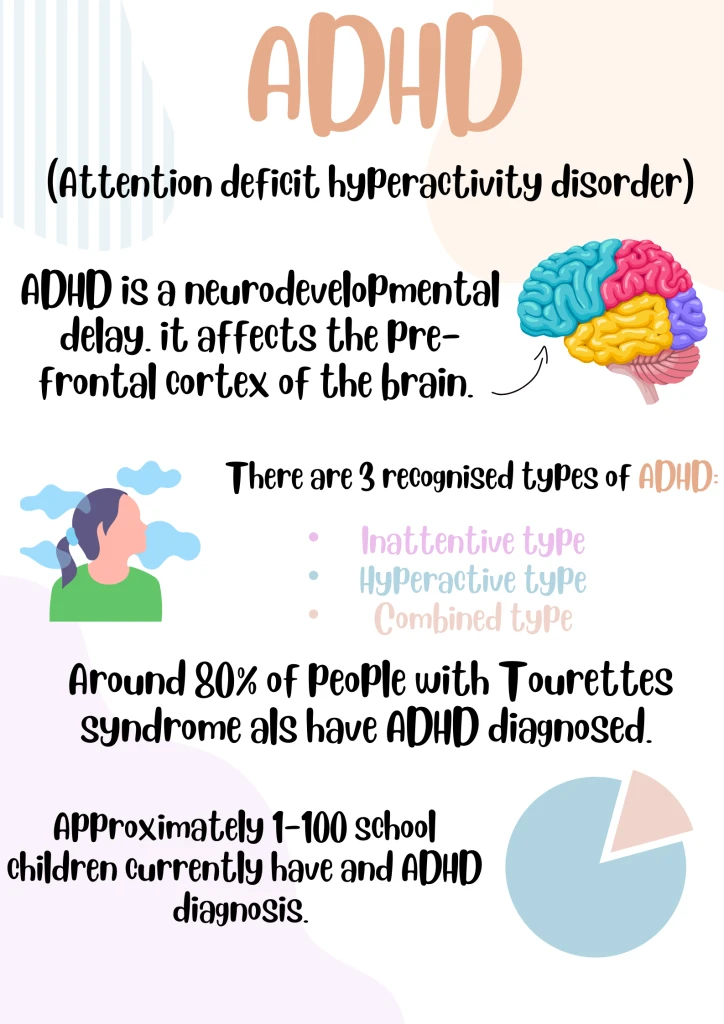
An inability to focus, hyperactivity, and impulsivity are hallmarks of Attention Deficit Hyperactivity Disorder (ADHD), a neurodevelopmental condition. It affects people of all ages, but it\'s especially prevalent among children. While medication and therapy are common treatments, there\'s growing recognition of the therapeutic benefits of nature for individuals with ADHD. Nature therapy, also known as ecotherapy or green therapy, involves immersing oneself in natural environments to promote mental and physical well-being. In this article, we explore how nature therapy can be a valuable complement to traditional treatments for ADHD, offering a range of benefits for those living with the condition.
Comprehending ADHD:
Before delving into the therapeutic aspects of nature, it\'s crucial to understand the challenges faced by individuals with ADHD. ADHD can significantly impact various aspects of daily life, including academic and occupational performance, social relationships, and self-esteem. The core symptoms of inattention, hyperactivity, and impulsivity can lead to difficulties in focusing on tasks, organizing activities, and controlling behavior.
While medications like stimulants and behavioral therapies such as cognitive-behavioral therapy (CBT) are commonly prescribed, many individuals seek additional strategies to manage their symptoms and improve their quality of life. Nature therapy has emerged as a promising approach, leveraging the healing power of natural environments to alleviate the symptoms of ADHD and promote overall well-being.
Benefits of Nature Therapy for ADHD:
Reduced Stress and Anxiety:
Spending time in nature has been shown to reduce stress levels and alleviate symptoms of anxiety, which are often co-occurring conditions with ADHD. The tranquility and beauty of natural settings can help individuals with ADHD feel calmer and more at ease, providing a much-needed respite from the demands of daily life.
Improved Focus and Attention:
Nature therapy promotes a state of relaxed alertness, which can enhance cognitive functioning and attentional control. Research has demonstrated that exposure to natural environments can improve concentration and focus, making it easier for individuals with ADHD to stay on task and sustain attention for longer periods.
Enhanced Physical Activity:
Many people with ADHD struggle with excess energy and restlessness. Engaging in outdoor activities such as hiking, biking, or gardening provides an outlet for this energy while promoting physical health and well-being. Regular exercise in nature can also improve sleep quality, which is often disrupted in individuals with ADHD.
Stress Reduction for Caregivers:
Nature therapy isn\'t just beneficial for individuals with ADHD; it can also provide much-needed relief for caregivers and family members. Spending time in nature together fosters bonding and relaxation, reducing the strain associated with managing the challenges of ADHD on a daily basis.
Connection with the Natural World:
In today\'s digital age, many people, including those with ADHD, spend a significant amount of time indoors, glued to screens.
Implementing Nature Therapy:
Incorporating nature therapy into one\'s life doesn\'t have to be complicated. Simple activities such as taking a walk in the park, gardening, or picnicking in a green space can yield significant benefits for individuals with ADHD. Here are some practical tips for integrating nature therapy into daily routines:
Schedule Outdoor Time:
Set aside dedicated time each day to spend outdoors, whether it\'s a morning stroll through a nearby park or an evening hike in the woods. Consistency is key to reaping the rewards of nature therapy.
Explore New Environments:
Variety is the spice of life, so don\'t be afraid to explore different natural settings. Venture beyond familiar surroundings and seek out parks, forests, beaches, and mountains to experience the diverse wonders of nature.
Unplug and Disconnect:
Leave electronic devices behind and embrace the opportunity to disconnect from technology. Immersing yourself fully in the sights, sounds, and smells of nature enhances the therapeutic benefits of outdoor experiences.
Engage in Mindful Practices:
Practice mindfulness techniques such as deep breathing, meditation, or yoga amidst natural surroundings. Mindfulness enhances present-moment awareness and cultivates a sense of peace and serenity.
Share the Experience:
Invite friends, family members, or support groups to join you in nature therapy outings. Sharing the experience with others enhances social connections and creates lasting memories.
In summary:
Nature therapy offers a holistic approach to managing ADHD symptoms, providing a range of physical, emotional, and cognitive benefits. By immersing oneself in natural environments, individuals with ADHD can find calm, focus, and rejuvenation amidst the beauty of the outdoors. Whether it\'s a leisurely stroll in the park or an exhilarating adventure in the wilderness, connecting with nature can be a powerful antidote to the challenges of living with ADHD. As we strive to optimize treatments and support for individuals with ADHD, nature therapy stands out as a simple yet profound intervention that nurtures the mind, body, and spirit.
In the journey towards wellness, let us embrace the healing power of nature and rediscover the profound connection between human beings and the natural world. ADHD and nature therapy: finding calm in the outdoors is not just a slogan; it\'s a path to empowerment, resilience, and flourishing in the face of adversity.











Sign in to leave a comment.