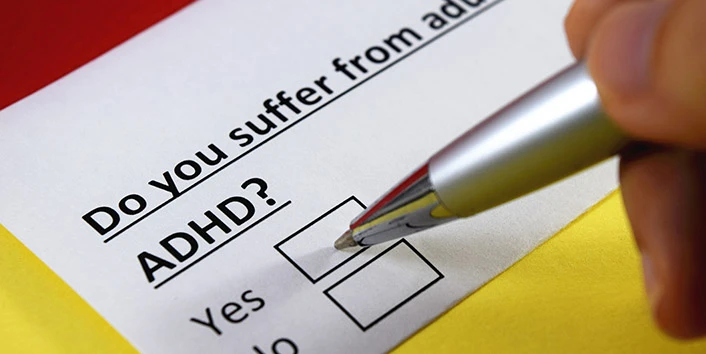
For many adults, daily challenges such as forgetfulness, disorganization, impulsivity, or difficulty concentrating can be overwhelming. While these symptoms may be brushed off as signs of stress or a hectic lifestyle, they can often be indicative of something deeper—Adult Attention Deficit Hyperactivity Disorder (ADHD). Once considered a childhood condition, ADHD is now recognized as a lifelong neurodevelopmental disorder that affects millions of adults worldwide.
Understanding adult ADHD, receiving a proper diagnosis, and knowing the next steps can significantly improve one’s quality of life. This article explores the complexities of adult ADHD, from recognition and diagnosis to treatment options—including the role of ADHD medication and how to access the best ADHD medication online.
Understanding ADHD in Adults
ADHD in adults manifests differently than it does in children. While hyperactivity might decline with age, issues with executive function—such as time management, focus, and organization—often persist and may become more pronounced in demanding adult environments.
Common Symptoms of Adult ADHD:
Difficulty focusing or sustaining attention
Chronic disorganization
Poor time management
Impulsivity (financial decisions, speech, actions)
Difficulty multitasking
Frequent mood swings
Restlessness
Trouble following through with tasks
These symptoms can affect various aspects of life including careers, relationships, and mental health. Unfortunately, due to a lack of awareness, many adults remain undiagnosed and may instead be treated for anxiety or depression without addressing the root cause.
Getting Diagnosed: What to Expect
A proper ADHD diagnosis in adulthood requires a comprehensive evaluation. It involves not just self-assessment, but also a professional review of your history and current functioning.
Steps Toward Diagnosis:
Self-Reflection & Symptom Tracking: Begin by noting patterns in your behavior—difficulty staying organized, chronic lateness, inability to focus in meetings, etc.
Consult a Healthcare Provider: A psychiatrist, psychologist, or neurologist can assess symptoms through structured interviews, checklists (like the Adult ADHD Self-Report Scale), and input from people close to you.
Rule Out Other Conditions: ADHD symptoms can overlap with anxiety, depression, bipolar disorder, or even thyroid issues. A good practitioner will rule out other conditions before confirming ADHD.
It’s essential to remember that ADHD is not a moral failing or a character flaw. Getting a diagnosis can be liberating—it gives a name to the struggles and opens doors to effective treatment.
Treatment Options: What Comes Next
After a diagnosis, the next step is developing a tailored treatment plan. The most effective ADHD management strategies combine ADHD medication behavioral therapy, lifestyle changes, and coaching.
1. Medication
ADHD medication is often the cornerstone of treatment and can dramatically improve focus, attention, and impulse control. There are two main categories:
Stimulants: Such as methylphenidate (Ritalin, Concerta) and amphetamines (Adderall, Vyvanse). These are typically first-line treatments.
Non-stimulants: Such as atomoxetine (Strattera) and guanfacine (Intuniv), which are alternatives for those who don't respond well to stimulants or are at risk of misuse.
While finding the right medication and dosage can take time, working closely with a knowledgeable provider is key. Increasingly, patients are exploring more convenient ways to access treatment. Many are turning to telemedicine for evaluations and prescriptions, looking for the best ADHD medication online providers who offer accessible, affordable, and expert care from the comfort of home.
Note: Always consult a licensed healthcare provider before starting or changing any medication regimen.
2. Behavioral Therapy & Coaching
Cognitive Behavioral Therapy (CBT) helps adults with ADHD develop skills to manage distractions, time, and negative thought patterns. ADHD coaches, who specialize in working with adults, can offer personalized systems for managing daily tasks and achieving goals.
3. Lifestyle Adjustments
Exercise: Regular physical activity can help reduce impulsivity and improve mood.
Sleep Hygiene: Consistent, quality sleep is crucial for managing symptoms.
Nutrition: Diets rich in protein, omega-3s, and low in refined sugar support better brain function.
Mindfulness & Meditation: These practices enhance self-awareness and focus.
Challenges in Adult ADHD Management
Despite growing awareness, several challenges persist:
Misdiagnosis and Stigma: Adults often face skepticism when seeking a diagnosis or treatment.
Access to Care: Many regions lack specialists or clinics experienced with adult ADHD.
Cost: Medications and therapy can be expensive without insurance.
This is where digital healthcare can bridge the gap. With the rise of telehealth, individuals now have greater access to comprehensive ADHD care. Reputable platforms offer everything from virtual making it easier than ever to find the best ADHD medication online while receiving ongoing medical support.
Living Well with Adult ADHD
A diagnosis isn’t the end—it’s a beginning. With awareness, proper treatment, and supportive tools, adults with ADHD can thrive in their personal and professional lives.
Tips for Managing ADHD Long-Term:
Use digital calendars and reminder apps to stay on track.
Break large tasks into smaller, manageable steps.
Minimize distractions in your workspace.
Build a daily routine and stick to it.
Surround yourself with supportive people who understand your journey.
Final Thoughts
Adult ADHD is real, valid, and manageable. The key lies in recognizing the signs, seeking a proper diagnosis, and building a treatment plan that includes both medical and non-medical approaches. Whether you're just beginning to suspect you might have ADHD or you've recently been diagnosed, know that you’re not alone—and there are more resources than ever to help you succeed.
If you're considering treatment options, explore both traditional and online platforms to find what works best for your lifestyle. And remember, with the right tools—including the best ADHD medication online, therapy, and support—you can reclaim focus, control, and confidence in your everyday life.





























Sign in to leave a comment.