
Introduction to Adobe Experience Manager Services
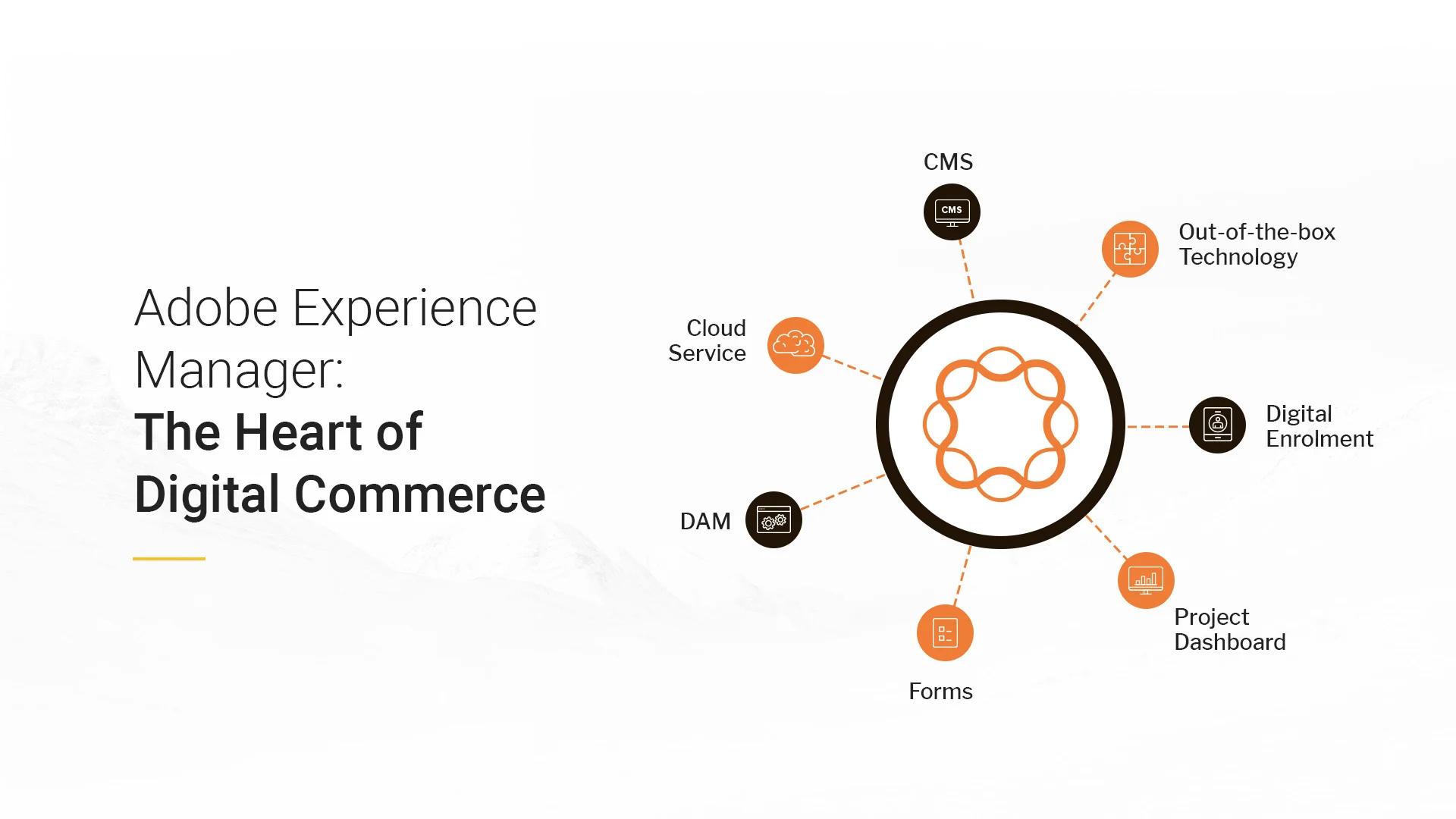
Adobe Experience Manager services (AEMS) is a comprehensive content management solution for building websites, mobile apps, and forms. It helps businesses deliver personalized digital experiences to their customers. This guide covers the various services offered by Adobe Experience Manager and how they can enhance your digital presence.
Key Features of Adobe Experience Manager
Content Management
AEM provides a robust content management system (CMS) that allows users to create, edit, manage, and deliver content across various channels. Key features include:
- Drag-and-Drop Interface: Easily create and arrange content with a user-friendly drag-and-drop interface.
- Content Reusability: Reuse content across different pages and channels to ensure consistency.
- Version Control: Track changes and maintain version history for all content pieces.
Digital Asset Management
AEM\'s Digital Asset Management (DAM) system helps businesses organize, store, and retrieve digital assets such as images, videos, and documents. Key benefits include:
- Centralized Repository: Store all digital assets in one place for easy access and management.
- Metadata Management: Add and manage metadata to improve searchability and organization.
- Automated Workflows: Automate asset-related workflows to enhance efficiency.
Personalization and Targeting
Deliver personalized experiences to your audience with AEM\'s advanced targeting capabilities. Key features include:
- User Segmentation: Segment your audience based on demographics, behavior, and preferences.
- Personalized Content: Serve tailored content to different user segments to enhance engagement.
- A/B Testing: Test different versions of content to determine what works best for your audience.
Cloud Services
AEM Cloud Service offers a scalable and secure platform for managing your digital experiences. Key benefits include:
- Scalability: Easily scale your infrastructure to meet growing business needs.
- Security: Benefit from robust security measures to protect your data and content.
- Continuous Updates: Receive regular updates and new features without downtime.
Implementing Adobe Experience Manager Services
Planning and Strategy
Successful implementation of AEM services requires careful planning and a well-defined strategy. Key steps include:
- Needs Assessment: Identify your business needs and objectives for using AEM.
- Stakeholder Engagement: Involve key stakeholders in the planning process to ensure alignment.
- Roadmap Development: Develop a roadmap for implementation, including timelines and milestones.
Customization and Configuration
Tailor AEM to meet your specific business requirements through customization and configuration. Considerations include:
- Template and Component Development: Create custom templates and components to match your brand and functionality needs.
- Integration with Other Systems: Integrate AEM with your existing systems, such as CRM and marketing automation tools.
- User Permissions and Roles: Set up user roles and permissions to control access and ensure security.
Training and Adoption
Ensure successful adoption of AEM services through comprehensive training and support. Steps include:
- User Training: Provide training sessions for users to familiarize them with AEM\'s features and functionalities.
- Ongoing Support: Offer ongoing support to address user questions and issues.
- Performance Monitoring: Monitor system performance and user activity to identify and address any challenges.
Best Practices for Using Adobe Experience Manager
Content Strategy
Develop a robust content strategy to maximize the effectiveness of AEM. Tips include:
- Content Calendar: Plan and schedule content in advance to ensure a steady flow of fresh content.
- SEO Optimization: Optimize your content for search engines to improve visibility and traffic.
- Cross-Channel Consistency: Ensure your content is consistent across all channels to provide a cohesive brand experience.
Asset Management
Manage your digital assets efficiently to enhance productivity. Tips include:
- Organized Repository: Keep your asset repository organized with clear folder structures and naming conventions.
- Regular Audits: Conduct regular audits to ensure assets are up-to-date and relevant.
- Usage Rights Management: Manage usage rights to ensure compliance with licensing agreements.
Performance Optimization
Optimize AEM performance to deliver a seamless user experience. Strategies include:
- Caching: Use caching to reduce load times and improve performance.
- Content Delivery Network (CDN): Leverage a CDN to deliver content faster to users around the world.
- Regular Updates: Keep your AEM instance updated with the latest patches and features.
https://youtu.be/3m0W-v_8VB8?si=58BfZtCRgGmcFqW0
Conclusion
Adobe Experience Manager services offer powerful tools for managing and delivering exceptional digital experiences. By leveraging AEM\'s features, following best practices, and ensuring effective implementation, businesses can enhance their digital presence and engage their audiences more effectively.











Sign in to leave a comment.