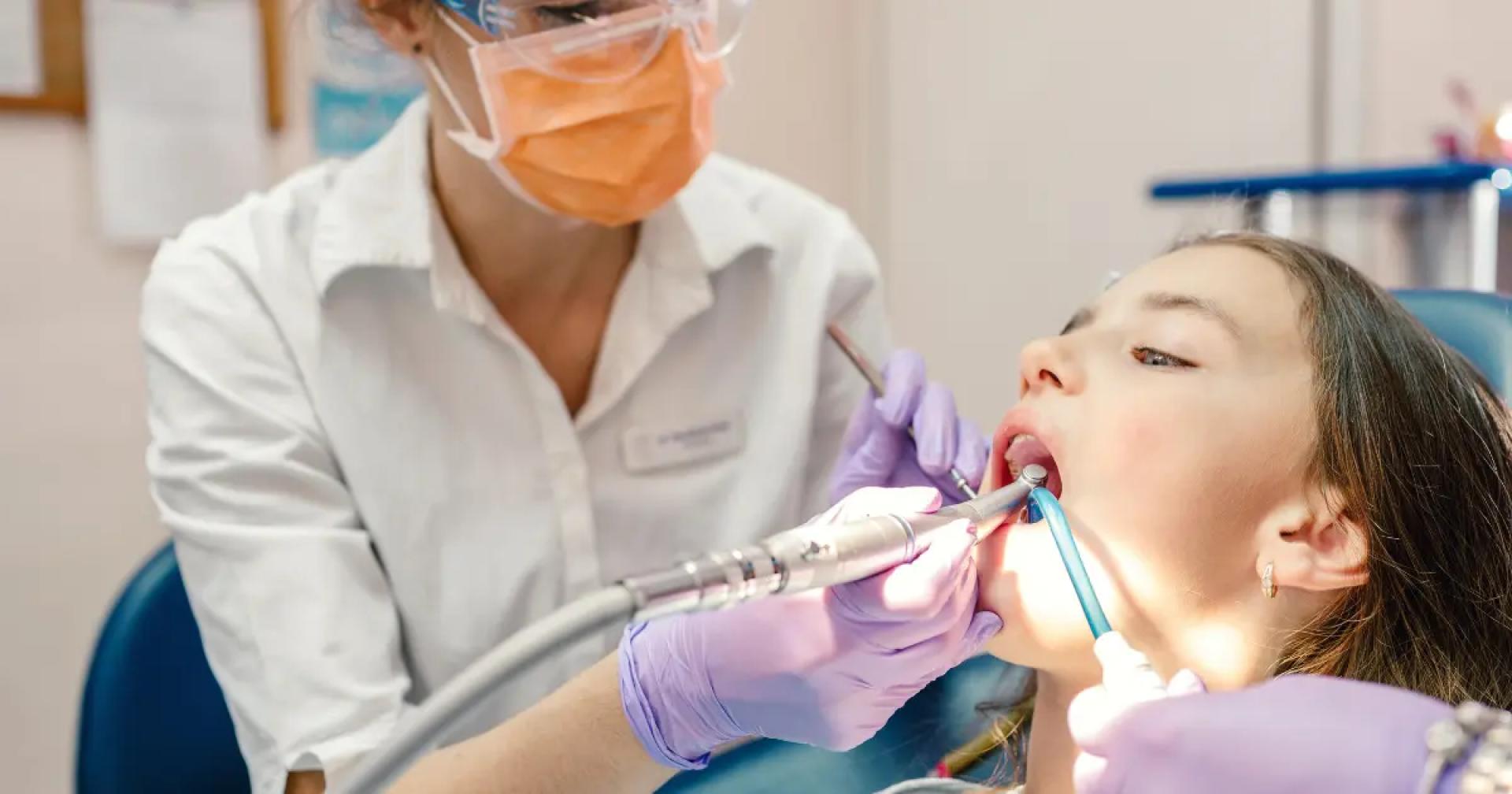

Missing teeth are more than just a cosmetic concern—they can significantly affect your oral health, confidence, and overall quality of life. Fortunately, modern dentistry has evolved rapidly, offering advanced solutions that are more effective, comfortable, and long-lasting than ever before. If you're looking to replace a missing tooth, today’s dental technology provides multiple innovative options tailored to individual needs.
Understanding the Impact of Missing Teeth
Before exploring the solutions, it’s important to understand why replacing missing teeth is essential. When a tooth is lost, the surrounding teeth may shift, leading to misalignment and bite problems. Bone loss in the jaw can also occur due to lack of stimulation. Additionally, missing teeth can make chewing difficult and affect speech clarity.
This is why dentists strongly recommend early treatment to replace missing tooth and prevent further complications.
Evolution of Dental Technology
In the past, options for missing teeth were limited to basic dentures or bridges. While these methods are still used today, modern advancements have introduced highly sophisticated technologies such as digital imaging, 3D printing, and computer-guided implant placement. These innovations have transformed dental procedures into more precise, efficient, and minimally invasive treatments.
Dental Implants: The Gold Standard
One of the most advanced and widely recommended solutions to replace missing teeth is dental implants. These are titanium posts surgically inserted into the jawbone, acting as artificial tooth roots.
Key Benefits of Dental Implants:
- Natural Appearance: Implants look and feel like real teeth
- Durability: They can last decades with proper care
- Bone Preservation: Prevents jawbone deterioration
- Improved Functionality: Restores full chewing ability
Modern implant procedures use computer-guided technology, ensuring precise placement and reducing recovery time. With the help of 3D scans, dentists can map your jaw structure and plan the procedure with incredible accuracy.
3D Imaging and Digital Scanning
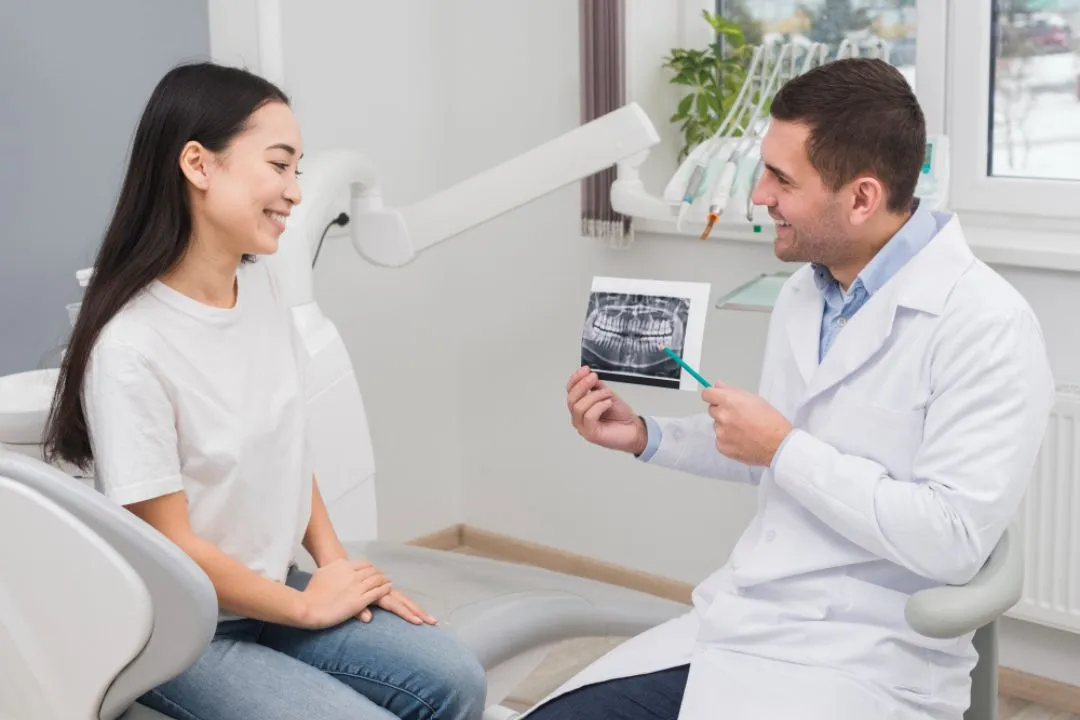
Advanced imaging systems such as Cone Beam Computed Tomography (CBCT) allow dentists to capture detailed 3D images of your teeth, gums, and jawbone. This technology plays a crucial role in diagnosing issues and planning treatments to replace missing teeth.
Digital scanning has also replaced traditional messy impressions. Intraoral scanners create accurate digital models of your mouth, improving patient comfort and reducing errors.
Same-Day Teeth Technology
Thanks to innovations in dental technology, patients can now receive implants and crowns in a single visit—commonly referred to as “same-day teeth.”
Using CAD/CAM (Computer-Aided Design and Manufacturing) systems, dentists design and fabricate crowns on-site. This significantly reduces waiting time and eliminates the need for temporary restorations.
For individuals who want a quick solution to replace missing tooth, this technology offers both convenience and efficiency.
All-on-4 Implants
For patients missing multiple teeth or even a full arch, the All-on-4 implant technique is a revolutionary option. This method uses just four strategically placed implants to support a full set of teeth.
Advantages:
- Fewer implants required
- Faster recovery time
- Cost-effective compared to traditional full-mouth implants
- Immediate functionality
This approach is especially beneficial for those who have experienced significant tooth loss and are looking for a permanent way to replace missing tooth.
Advanced Dentures
Modern dentures have also seen major improvements. Today’s dentures are more comfortable, stable, and natural-looking than ever before.
Digital denture technology ensures a perfect fit by using precise measurements and high-quality materials. Implant-supported dentures provide additional stability, preventing slipping or discomfort.
For patients who may not be suitable candidates for implants, advanced dentures offer a reliable way to replace missing tooth.
Dental Bridges with Modern Enhancements
Dental bridges remain a popular solution, especially for replacing one or a few missing teeth. With advancements in materials like zirconia and porcelain, bridges now offer superior strength and aesthetics.
Digital workflows allow dentists to design and place bridges with exceptional precision, ensuring a comfortable fit and long-lasting results.
Laser Dentistry
Laser technology has introduced a new level of precision in dental procedures. It is often used in gum treatments, implant placement, and soft tissue management.
Benefits of laser dentistry include:
- Reduced pain and discomfort
- Minimal bleeding
- Faster healing time
- Lower risk of infection
This technology enhances the overall experience for patients undergoing procedures to replace missing tooth.
Artificial Intelligence in Dentistry
Artificial Intelligence (AI) is beginning to play a role in modern dental care. AI-powered software helps dentists analyze images, detect issues early, and recommend the best treatment options.
This leads to more accurate diagnoses and personalized treatment plans for patients who need to replace missing tooth.
3D Printing in Dental Restoration
3D printing is revolutionizing how dental prosthetics are created. From crowns and bridges to dentures and surgical guides, 3D printing allows for faster production and greater customization.
This technology ensures:
- High precision
- Reduced production time
- Cost efficiency
- Better patient outcomes
For anyone considering options to replace missing tooth, 3D printing offers a modern and efficient solution.
Minimally Invasive Procedures
One of the biggest advantages of advanced dental technology is the shift toward minimally invasive techniques. Smaller incisions, precise tools, and guided systems reduce trauma to surrounding tissues.
Patients benefit from:
- Less pain
- Shorter recovery periods
- Fewer complications
This makes it easier and more comfortable to replace missing tooth without undergoing extensive surgery.
Choosing the Right Treatment
Selecting the best option depends on several factors, including:
- Number of missing teeth
- Jawbone condition
- Budget
- Overall oral health
Consulting with a qualified dentist is essential to determine the most suitable approach. With modern technology, treatment plans are highly customized to meet individual needs.
Future of Dental Technology
The future of dentistry looks even more promising. Innovations such as regenerative dentistry, stem cell therapy, and smart implants are being researched to further improve tooth replacement solutions.
These advancements aim to make procedures even more natural, efficient, and accessible for patients worldwide.
Conclusion
Advanced dental technology has completely transformed the way dentists treat missing teeth. From dental implants and 3D imaging to AI and 3D printing, patients now have access to safer, faster, and more effective solutions than ever before.
If you're planning to replace missing tooth, modern dentistry offers a wide range of options tailored to your specific needs. By taking advantage of these innovations, you can restore not just your smile, but also your confidence and oral health for years to come.


























Sign in to leave a comment.