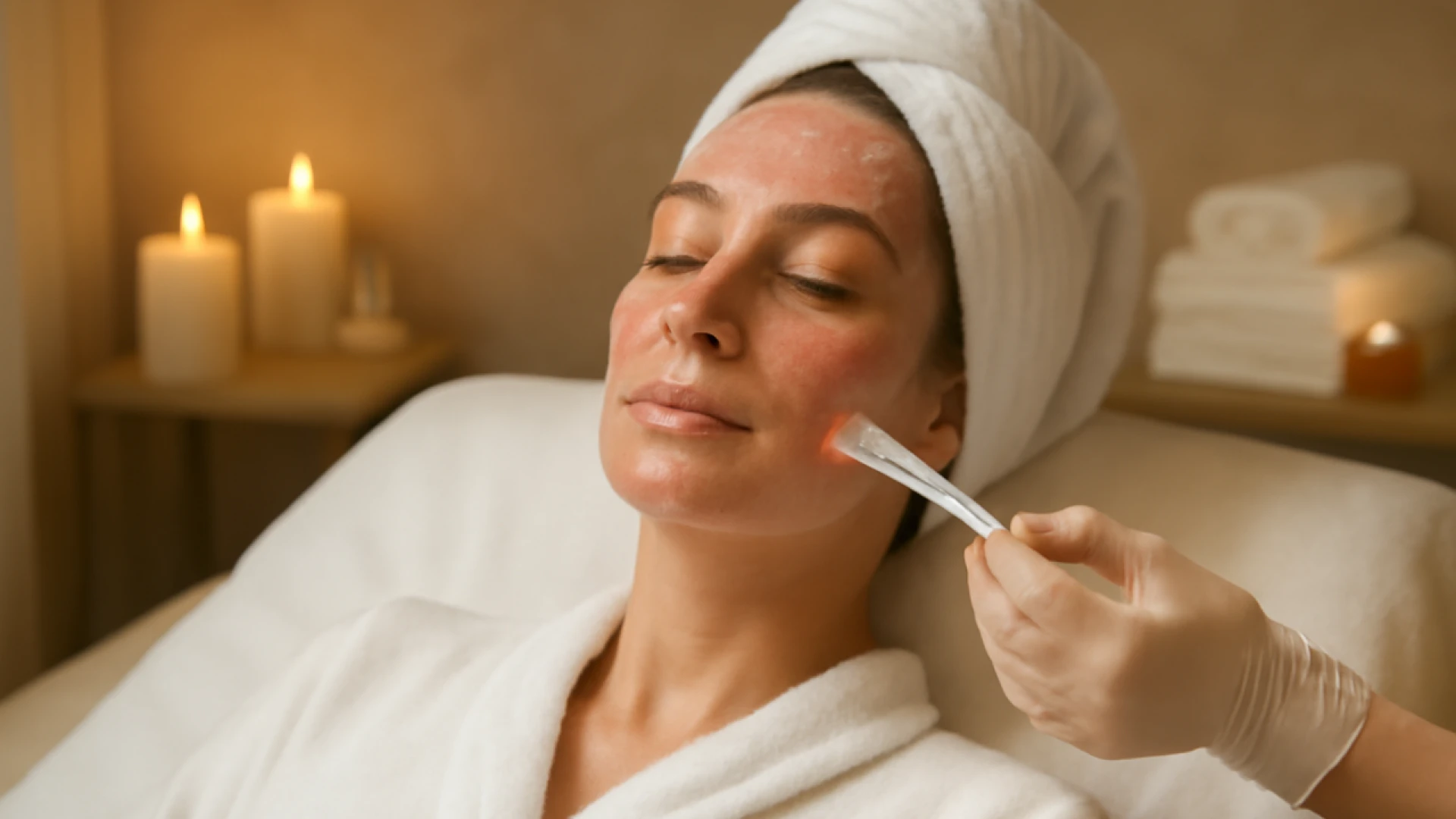

Hydrating gel masks and jelly masks have advanced the landscape of professional skincare by offering versatile, results-driven solutions to common skin concerns. These next-generation formulas integrate cosmetic science and therapeutic recovery to deliver visible transformation and post-treatment support.
As clinical skincare evolves, so does the demand for effective aftercare. Advanced hydration treatments now play a pivotal role in post-procedure protocols, providing clients with comfort, repair, and improved treatment outcomes.
1. Improved Post-Treatment Recovery Assistance
After procedures like microneedling, the skin becomes temporarily permeable and requires targeted hydration. Clinical gel masks offer enhanced moisture delivery, outperforming basic aftercare formulas.
The cooling, gel-based texture soothes irritation while infusing active ingredients that assist in skin renewal. Clients experience immediate relief and improved recovery within professional guidelines.
2. Complete Laser Treatment Aftercare Options
Laser treatments often leave the skin dry, red, and vulnerable. Hydrating masks are essential in calming inflammation and restoring moisture levels after sessions like IPL, CO₂, or fractional resurfacing.
These formulas help reestablish the skin’s barrier while minimizing discomfort. They’re frequently recommended by medical aestheticians as part of a structured post-laser routine.
3. Clinical-Grade Recovery Mask Characteristics
Recovery-focused masks contain a precise blend of peptides, humectants, and calming agents. These ingredients are designed to aid in tissue regeneration while restoring elasticity and barrier strength.
Used after microneedling, peels, or dermaplaning, they support faster healing and deliver consistent clinical results, especially when integrated into ongoing professional skincare plans.
4. Innovative Moisture-Retention Science
A powerful combination of Polyglutamic Acid and Hyaluronic Acid enhances hydration levels beyond standard moisturizers. PGA holds more moisture than HA, making it ideal for clinical use.
This synergy ensures long-lasting hydration, smoother skin texture, and an improved ability to retain water for up to 24 hours after application.
5. Targeted Care for Sensitive Skin Conditions
Clients with rosacea, eczema, or reactivity benefit from calming botanicals and ceramides. Green tea jelly masks are especially effective for reducing inflammation and shielding delicate skin barriers.
These masks gently soothe the skin, diminish visible redness, and support balance without triggering irritation, making them ideal for sensitive complexions.
6. Sebum-Control and Purifying Options
Oily and acne-prone skin needs detoxifying care that won't strip essential moisture. Masks with charcoal and glacial clay draw out impurities while helping maintain hydration.
These purifying solutions minimize congestion, refine pores, and balance oil production—delivering clear, healthier skin through non-abrasive methods.
7. Personalized Treatment Mixing Approaches
Blending mask bases with powdered or liquid actives allows for tailored treatments. Professionals can address specific issues like dullness, aging, or dehydration by creating custom combinations.
Precise ratios ensure proper texture and absorption, allowing providers to offer targeted, individualized care with consistency.
8. Ideal Application Time Recommendations
For optimal results, masks should be left on for 15–20 minutes. This ensures deep penetration of actives without over-drying or difficulty in removal.
Maintaining this window preserves the formula’s integrity and enhances treatment efficacy, especially following resurfacing or exfoliation procedures.
9. Outstanding Hydration Results
Hydrating gel masks dramatically improve moisture levels in the skin. Their electrolyte-rich formulations reduce dehydration lines, restore plumpness, and improve surface texture.
Used regularly, they boost hydration retention, visibly smooth the skin, and maintain elasticity between clinical treatments.
10. Clean Beauty Principles
Many professional mask brands now meet clean beauty standards. These formulas are often vegan, cruelty-free, and made without harmful ingredients.
Clinics seeking sustainable solutions appreciate ethically sourced actives, marine botanicals, and transparent manufacturing processes.
11. Microneedling vs. Nano-Infusion Methods
Microneedling involves controlled dermal injury to stimulate collagen, while nano-infusion uses non-invasive delivery systems to enhance skin performance.
Each method has unique benefits—microneedling offers deep stimulation, while nano-infusion provides gentle rejuvenation for all skin types.
12. LED Therapy Combination Protocols
Combining skin treatments with LED light jelly masks enhances both recovery and visible results. Red, blue, and infrared wavelengths work synergistically with mask ingredients to calm, restore, and hydrate.
This dual modality accelerates healing and improves absorption of clinical actives, reducing downtime after advanced treatments.
13. Treatment Depth Guidelines
Selecting the right treatment depth depends on the skin concern. For fine lines, 0.25–0.5 mm is sufficient, while acne scars or pigmentation may require up to 1.5 mm.
Providers should adjust depth conservatively, always considering the client’s skin type and recovery tolerance.
14. Nano-Infusion Safety Standards
Nano-infusion is suitable for all skin types, including reactive and highly sensitive skin. It delivers active ingredients gently with no downtime or discomfort.
This needle-free approach improves product absorption and boosts radiance safely and efficiently.
15. Ideal Serums for Nano-Infusion
Lightweight serums with small molecules are best for nano-infusion. These include brightening agents, peptides, growth factors, and hyaluronic acid-based solutions.
The right serum maximizes the benefits of the procedure and ensures enhanced absorption during and after treatment.
16. Premium Brightening Treatment Options
Brightening masks infused with ingredients like glutathione, kojic acid, and niacinamide help reduce hyperpigmentation and boost radiance.
These formulas are effective yet gentle enough to use post-treatment, supporting a more even and luminous skin tone.
17. Post-Microneedling Peptide Applications
Peptides like copper tripeptide-1 help repair the skin barrier and boost collagen following microneedling. Applying them immediately after treatment enhances penetration and speeds up healing.
These formulations reduce downtime and amplify the regenerative benefits of microneedling.
18. Barrier Repair Serum Options
Post-treatment serums containing ceramides, panthenol, and beta-glucan reinforce the skin’s natural defenses.
They help repair damage, lock in moisture, and soothe irritation during the first 72 hours after intensive aesthetic procedures.
19. Acne-Targeted Serum Selection
BHA-based serums and botanical extracts target acne while maintaining hydration. When used with purifying masks, these treatments reduce breakouts and support barrier health.
Clients benefit from clearer skin without the harshness of traditional acne protocols.
20. Strategic Application Techniques
Layering serums beneath gel masks enhances occlusion and ingredient delivery. This technique increases the absorption rate of actives and elevates overall treatment results.
It’s especially effective in protocols that combine hydration with repair or anti-aging goals.
21. Complete Post-Microneedling Care Routine
After microneedling, clients should prioritize hydration and recovery. For 2–3 days, apply soothing serums and hydrating masks while avoiding exfoliants and retinoids.
This routine reduces downtime, improves outcomes, and protects the skin from post-treatment sensitivity.
22. Post-Treatment Makeup Recommendations
Avoid makeup for 24–48 hours post-treatment. Once the skin barrier has restored, mineral-based, non-comedogenic formulas can be safely applied.
This minimizes the risk of irritation or clogged pores while preserving treatment results.
23. LED Therapy for Minimized Downtime
LED therapy accelerates healing by reducing inflammation, stimulating collagen, and improving circulation. When used consistently, it helps speed recovery from procedures.
This non-invasive method supports long-term skin health and smoother treatment outcomes.
24. Post-Microneedling Ingredient Recommendations
Avoid retinoids, acids, and harsh actives for several days after microneedling. Instead, use calming ingredients such as hyaluronic acid, peptides, and ceramides to support healing.
This careful approach ensures optimal results and minimizes complications.
25. Pre-Event Radiance Treatment Routine
For instant glow, combine dermaplaning with nano-infusion and a deeply hydrating mask. This no-downtime protocol enhances texture, luminosity, and hydration—ideal for pre-event skincare.
It leaves the skin smoother, firmer, and more radiant within hours of treatment.
Sign in to leave a comment.