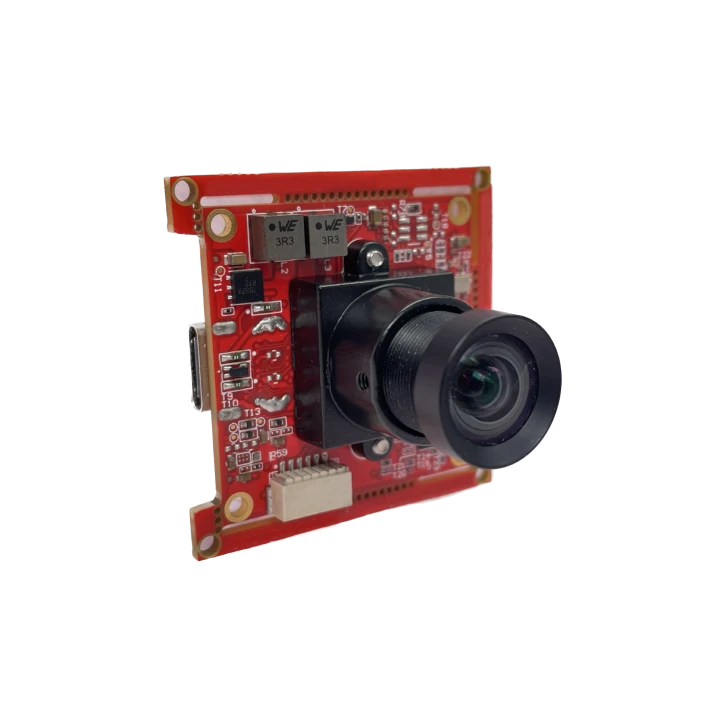

In today's digital age, imaging technology continues to advance at a rapid pace, revolutionizing the way we capture and process visual information. One such innovation that has garnered significant attention is HDR (High Dynamic Range) camera technology. In this article, we'll explore the intricacies of HDR camera technology, its benefits, applications, challenges, and future trends.
Introduction to Advanced Imaging
As technology evolves, so do our imaging capabilities. Advanced imaging techniques enable us to capture more detailed, vibrant, and lifelike images than ever before. HDR camera technology is at the forefront of this revolution, offering photographers and videographers unprecedented control over exposure and dynamic range.
What is HDR Camera Technology?
Understanding High Dynamic Range
HDR, or High Dynamic Range, refers to the ability of a camera to capture a wide range of luminance levels in a scene, from the darkest shadows to the brightest highlights. Traditional cameras struggle to maintain detail in high-contrast scenes, leading to overexposed highlights or underexposed shadows. HDR technology addresses this limitation by capturing multiple exposures of the same scene and combining them into a single image with optimal exposure throughout.
Evolution of HDR Cameras
HDR camera technology has come a long way since its inception. Early implementations required manual exposure bracketing and post-processing to achieve HDR effects. However, modern HDR cameras feature advanced sensors, processors, and software algorithms that streamline the HDR imaging process, allowing photographers to capture stunning, true-to-life images with ease.
Benefits of HDR Camera Technology
Enhanced Image Quality
One of the primary benefits of HDR camera technology is its ability to produce images with superior quality and clarity. By capturing a broader range of tones and colors, HDR images exhibit greater detail and depth, resulting in more immersive and visually appealing photographs.
Greater Dynamic Range
HDR cameras excel in capturing scenes with high contrast, such as landscapes with bright skies and shadowy foregrounds. By preserving detail in both the highlights and shadows, HDR technology enables photographers to achieve balanced exposures and stunningly realistic images.
Improved Low-Light Performance
In addition to enhancing dynamic range, HDR camera technology also improves low-light performance, allowing photographers to capture clear, noise-free images in challenging lighting conditions. By combining multiple exposures, HDR cameras mitigate noise and artifacts, resulting in cleaner, more vibrant low-light photographs.
Applications of HDR Camera Technology
Photography
HDR photography has become increasingly popular among photographers seeking to capture the full range of tones and colors in their images. From landscape and architectural photography to portraiture and still life, HDR technology offers endless creative possibilities for photographers of all skill levels.
Videography
In the realm of videography, HDR technology is revolutionizing the way we capture and display moving images. HDR-enabled cameras and displays deliver richer colors, greater contrast, and enhanced detail, providing viewers with a more immersive and cinematic viewing experience.
Surveillance
HDR usb camera technology also finds applications in surveillance and security systems, where capturing clear, detailed images in varying lighting conditions is essential. HDR-enabled surveillance cameras ensure that critical details are not lost in high-contrast scenes, enhancing the effectiveness of surveillance operations.
Challenges and Limitations
Complexity of Processing
While HDR technology offers many benefits, it also introduces challenges in terms of processing and workflow. Creating HDR images requires careful exposure bracketing and post-processing techniques, which can be time-consuming and resource-intensive, particularly for large-scale projects.
Cost
High-quality HDR cameras and software tools can be costly, making them inaccessible to some photographers and videographers. Additionally, mastering the intricacies of HDR imaging requires time and practice, further adding to the overall cost of adoption.
Future Trends in HDR Camera Technology
Advancements in Sensor Technology
As sensor technology continues to evolve, we can expect to see further improvements in HDR camera performance. Advanced sensor designs with increased dynamic range and sensitivity will enable photographers to capture even more detailed and lifelike images in a wide range of lighting conditions.
Integration with Artificial Intelligence
Artificial intelligence (AI) is poised to play a significant role in the future of HDR camera technology. AI-powered algorithms can analyze scene characteristics in real-time and adjust exposure settings accordingly, allowing for more efficient and accurate HDR image capture.
Conclusion
HDR camera technology represents a significant advancement in the field of imaging, offering photographers and videographers unprecedented control over exposure and dynamic range. By harnessing the power of HDR technology, content creators can capture stunning, true-to-life images that captivate viewers and convey the beauty of the world around us.









Sign in to leave a comment.