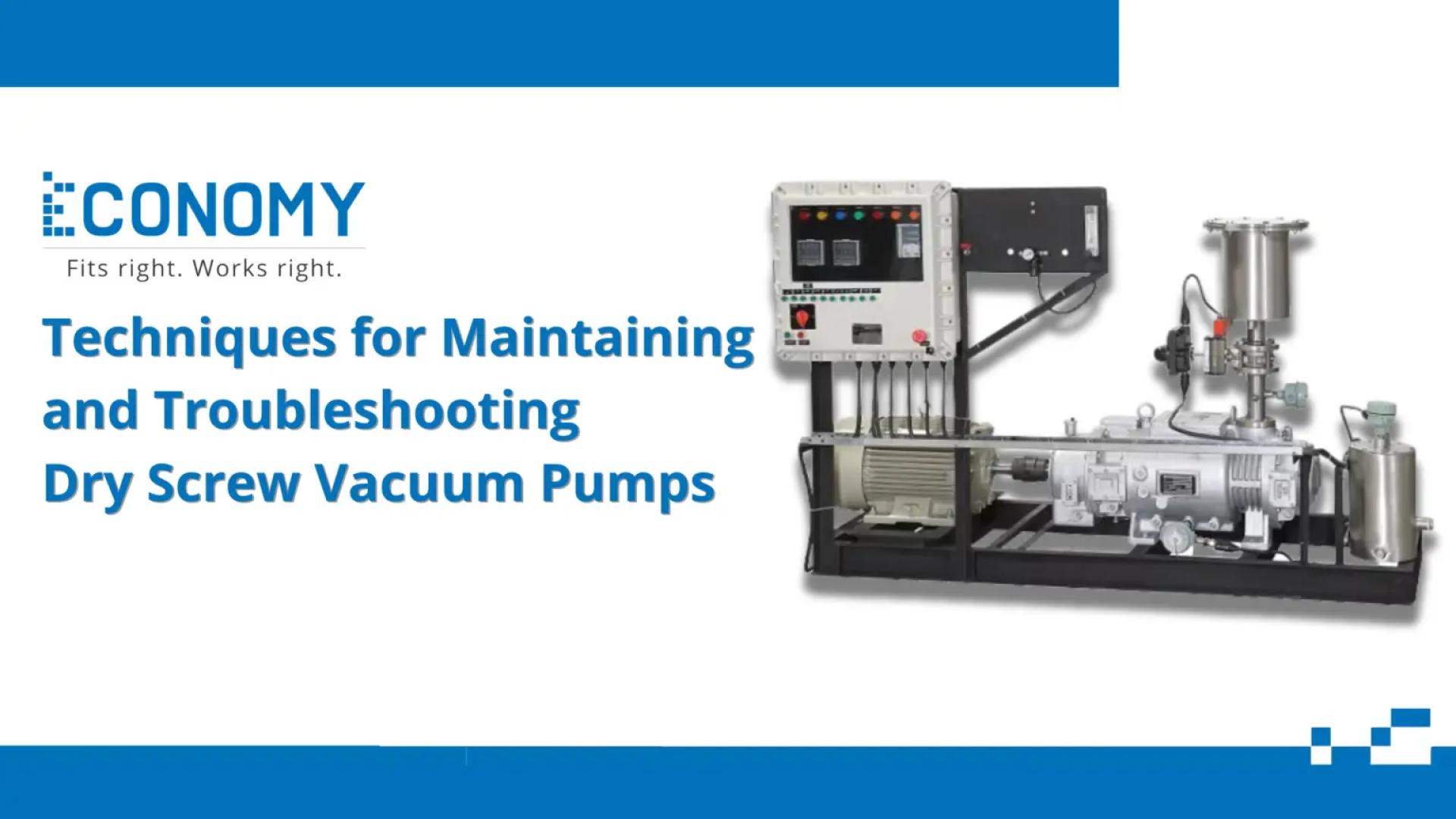

Dry screw vacuum pumps are essential in various industrial processes, offering reliable performance without contamination. However, to maximize their lifespan and efficiency, adopting advanced maintenance and troubleshooting techniques is crucial. This guide explores best practices for lubrication, contamination prevention, cleaning, monitoring, and diagnosing issues, ensuring optimal operation.
Best Practices for Lubrication and Maintenance
Although dry screw vacuum pumps do not use lubricants in the pumping chamber, lubrication is vital for components like bearings and seals. Using manufacturer-recommended lubricants ensures these components operate smoothly, minimizing wear and heat generation.
Routine maintenance is equally important. Follow these practices to extend pump life:
- Scheduled Inspections: Perform visual and operational checks regularly to identify unusual noises, vibrations, or leaks.
- Filter Replacement: Replace air and oil filters according to the manufacturer's guidelines to maintain airflow and prevent debris buildup.
- Component Alignment: Ensure the rotors and screws are properly aligned to avoid mechanical stress and inefficiencies.
- Temperature Monitoring: Use infrared thermometers to monitor operating temperatures, as overheating can damage internal parts.
Strategies for Preventing Contamination
Contamination can compromise the performance and longevity of a dry screw vacuum pump. Implement these strategies to keep your pump contaminant-free:
- Install Inlet Filters: Protect the pump from particulate matter by installing high-efficiency inlet filters suitable for your application.
- Control Environmental Factors: Maintain a clean workspace and minimize exposure to dust, moisture, and chemical vapors.
- Purge Systems: Use purging systems to flush out residual gases and prevent the accumulation of corrosive substances.
- Monitor Process Gases: Analyze the gases entering the pump to detect potential contaminants and adapt filtration systems accordingly.
Advanced Cleaning Techniques
Over time, residues and deposits may form inside the pump, affecting its performance. Advanced cleaning methods help restore efficiency:
- Chemical Cleaning: Use non-corrosive, manufacturer-approved cleaning agents to dissolve deposits in the pump chamber and pipes.
- High-Pressure Air Cleaning: For dry residue, high-pressure air can be used to dislodge and remove debris from the internal components.
- Ultrasonic Cleaning: For intricate components, ultrasonic cleaning provides a thorough and precise way to eliminate contaminants without disassembly.
- Regular Flushing: Periodically flush the pump system with an appropriate cleaning solution, followed by a drying phase, to remove build-up before it becomes problematic.
Monitoring and Diagnosing Common Issues
Monitoring the pump's performance is vital for early detection of problems. Here’s how to identify and address common issues:
- Vibration Analysis: Excessive vibration may indicate worn bearings, misaligned rotors, or foreign object intrusion. Use vibration monitoring equipment to identify deviations.
- Pressure Monitoring: A drop in vacuum pressure can signal air leaks, clogged filters, or worn screws. Check the pump’s pressure readings regularly to detect anomalies.
- Temperature Fluctuations: Overheating can result from insufficient cooling, clogged exhaust pathways, or excessive mechanical friction. Install sensors to monitor and record temperature data.
- Unusual Noise: Loud or irregular sounds often suggest mechanical wear, loose parts, or foreign debris in the system. Address these issues promptly to avoid further damage.
Other Troubleshooting Techniques for Dry Screw Vacuum Pumps
When standard maintenance practices are insufficient, these advanced troubleshooting methods can resolve complex issues:
- Rotor Gap Adjustment: Misaligned or improperly spaced rotors can affect pump efficiency. Use precision instruments to measure and adjust the rotor gap according to specifications.
- Seal Replacement: Worn seals can lead to leaks and reduced vacuum performance. Regularly inspect and replace seals to maintain system integrity.
- Software Diagnostics: Many modern pumps are equipped with digital monitoring systems. Use the pump's software to analyze performance data and identify irregularities.
- Leak Detection: Conduct a helium leak test to identify microscopic leaks that may compromise vacuum levels. Seal leaks promptly to restore functionality.
- Electrical System Check: Faulty electrical connections or motor issues can cause inconsistent performance. Inspect wiring and motor components, ensuring they meet operational standards.
Conclusion
Maintaining and Troubleshooting Techniques for Dry Screw Vacuum Pumps requires a combination of routine checks, advanced cleaning techniques, and precise monitoring. By implementing best practices for lubrication, contamination prevention, and component inspection, you can enhance the pump's performance and longevity. Addressing common issues through vibration analysis, temperature monitoring, and software diagnostics further ensures operational reliability. Advanced troubleshooting techniques, such as rotor gap adjustments and leak detection, prepare you to handle even the most complex challenges. Investing time and effort into these practices guarantees not only the efficiency of your vacuum pump but also the overall success of your industrial operations.










Sign in to leave a comment.