

When evaluating reproductive and maternal care, it is essential to look past basic outpatient consults and focus heavily on technical infrastructure. The physiological changes a woman experiences—from adolescent metabolic changes to complex obstetric paths and menopause—require high-tier medical management. For patients requiring this level of expertise, locating a specialized gynaecologist in Shalimar Bagh means choosing clinical teams that integrate routine screening with advanced diagnostic and emergency surgical backup.
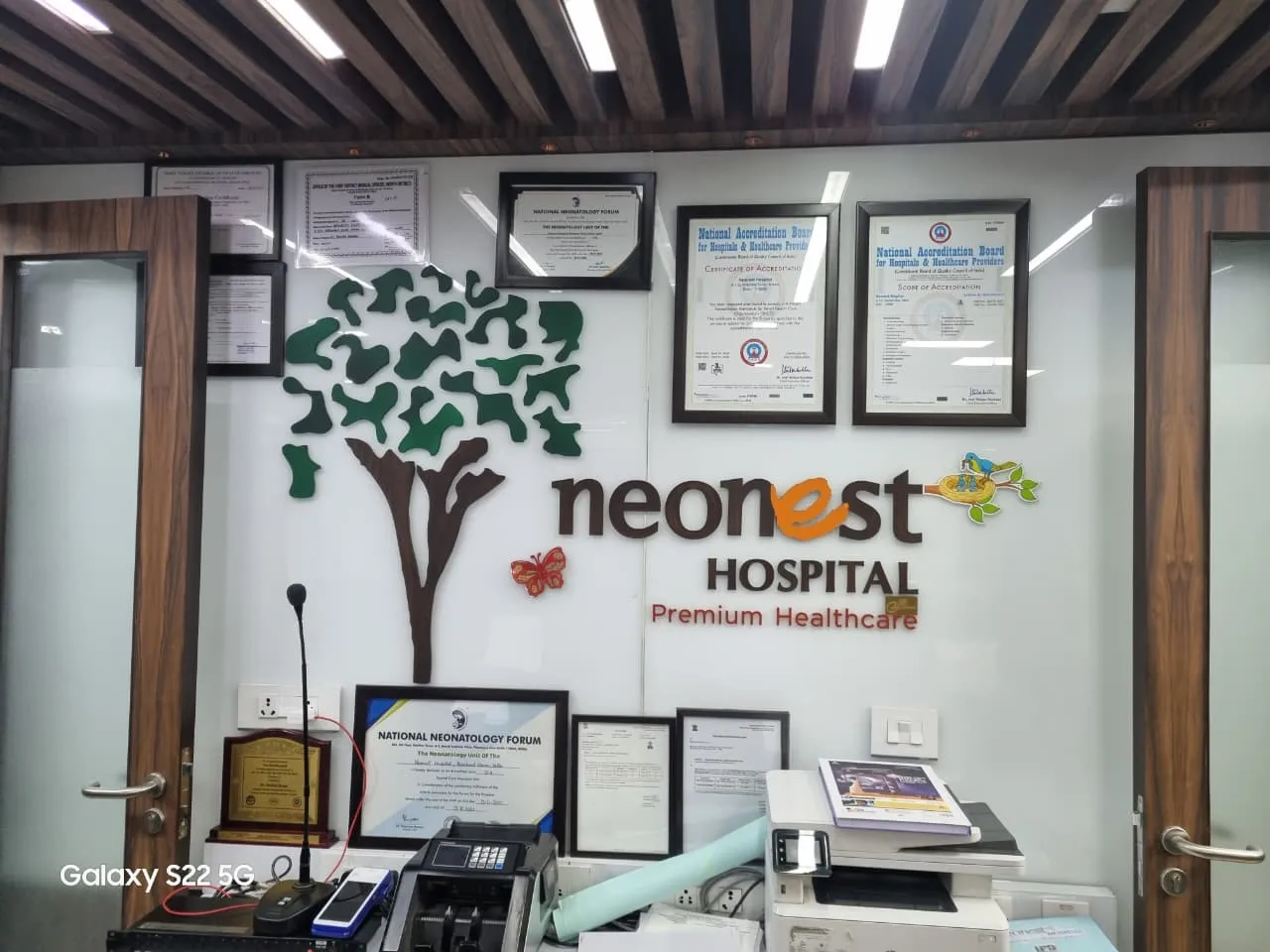
While primary care clinics serve a great purpose for standard wellness checks, unexpected maternal complications or precision tissue surgeries demand a robust, fully integrated clinical ecosystem. Located a short drive away at Prashant Vihar, Neonest Hospital acts as a specialized care partner for the Shalimar Bagh community, providing seamless multi-specialty intervention under senior clinical experts.
4 Technical Anchors of Modern Gynaecological Care
A high-utility gynaecology department operates well beyond standard routine check-ups. To ensure complete reproductive safety, a specialist team must deliver proven experience across these crucial medical domains:
- Advanced Laparoscopic Gynae Surgery: Modern medical care has largely replaced traditional open operations with minimally invasive alternatives. Skilled specialists perform complex keyhole procedures—such as a laparoscopic hysterectomy (uterus removal), myomectomies for deep-seated fibroids, and targeted treatment for ovarian cysts—which lower tissue trauma, minimize blood loss, and ensure a rapid return to your normal routine.
- Targeted Infertility and IUI Services: Overcoming reproductive challenges demands a precise, evidence-based approach rather than generalized treatments. Leading facilities offer dedicated fertility evaluations for both partners, utilizing micro-dose ovulation induction protocols and intrauterine insemination (IUI) treatments tailored closely to the patient's specific metabolic history.
- High-Risk Obstetric Management: Bringing a pregnancy to a safe, successful term becomes highly challenging when complicated by conditions like gestational diabetes, pre-eclampsia (pregnancy-induced hypertension), or multiple gestations. Managing these situations safely requires continuous maternal-fetal tracking alongside immediate access to a Level-III Neonatal Intensive Care Unit (NICU).
- Advanced Hysteroscopic Diagnostics: When treating abnormal uterine bleeding or structural uterine issues, specialists utilize hysteroscopy. By introducing a micro-camera directly through the cervix, doctors can visually inspect, map, and treat intrauterine anomalies like polyps or adhesions on the spot, entirely bypassing the need for external surgical incisions.
Preventative Screenings and Diagnostic Timelines
To safeguard long-term health, women should work with their specialist to establish a routine preventative check-up timeline based on age and health history:
- Ages 21 to 29: Routine pelvic exams and a Pap smear every 3 years to screen for cervical cellular changes.
- Ages 30 to 65: Combined Pap smear and Human Papillomavirus (HPV) DNA testing every 5 years, alongside annual metabolic and thyroid profiling.
- Post-Menopause: Annual transvaginal ultrasounds (TVS) and bone mineral density (DEXA) scans to monitor pelvic tissue health and prevent progressive osteoporosis.
Choosing a dedicated, highly trained clinical team ensures that your long-term wellness, maternal safety, and reproductive health are managed with utmost precision and empathetic care through every phase of life.



























Sign in to leave a comment.