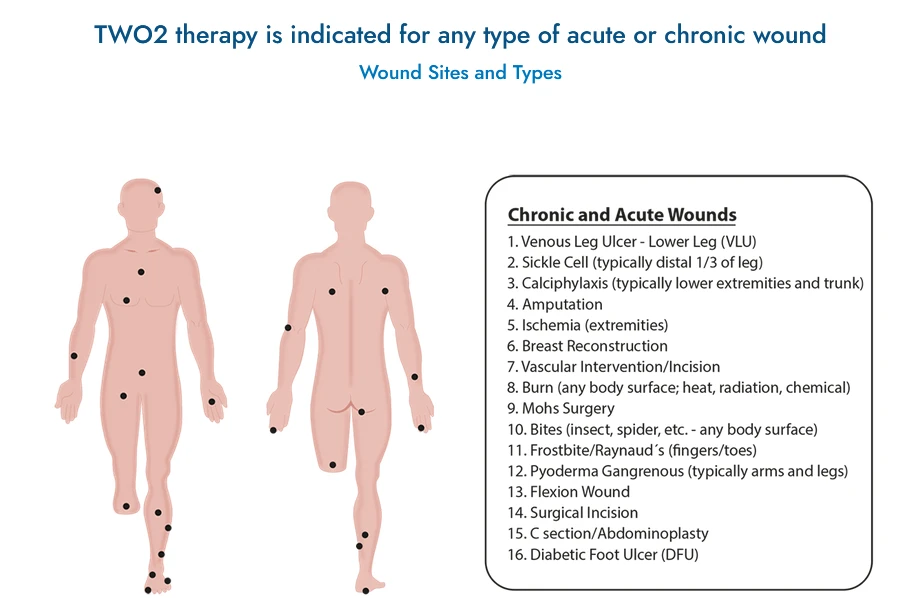

Among these, topical hyperbaric oxygen therapy (THOT), also known as topical oxygen therapy or oxygen wound therapy has emerged as a promising intervention. This cutting-edge technique involves applying oxygen to wounds, fostering an oxygen-rich environment to accelerate healing.
Understanding Topical Hyperbaric Oxygen Therapy:
Topical hyperbaric oxygen therapy is a specialized form that aims to enhance wound healing by delivering concentrated oxygen directly to the affected area. Traditional hyperbaric oxygen therapy exposes the entire body to elevated atmospheric pressure, but topical applications allows for a more localized and targeted approach.
The therapy uses specialized devices that deliver a controlled stream of pure oxygen to the wound site. These devices are often designed to maintain a higher oxygen concentration around the wound, creating an environment conducive to cellular repair and regeneration.
Mechanism of Action from topical oxygen therapy: An aim to boost the essential processes
The fundamental principle underlying topical oxygen therapy is based on the role of oxygen in cellular metabolism and tissue repair. Oxygen is vital in various physiological processes, including collagen formation, the synthesis of new blood vessels (angiogenesis), and the destruction of harmful bacteria. By delivering oxygen directly to the wound bed, THOT aims to boost these essential processes, expediting the healing timeline.
The targeted application of oxygen through topical wound oxygen therapy helps in reducing inflammation, promoting tissue regeneration, and enhancing the overall resilience of the wound. This therapy is particularly beneficial for chronic wounds that struggle to progress through the normal stages of healing.
The targeted application of oxygen through topical wound oxygen therapy helps in reducing inflammation.
Applications of Topical Hyperbaric Oxygen Therapy:
Topical hyperbaric oxygen therapy finds applications in a diverse range of medical scenarios, including but not limited to:
Chronic Wound Healing:
Diabetic ulcers
Pressure sores
Venous stasis ulcers
Benefits of Topical Hyperbaric Oxygen Therapy:
Accelerated Healing:
Oxygen wound therapy accelerates the wound healing process by providing an oxygen-rich environment that supports cellular activities crucial for repair.
Reduced Infection Risk:
The antimicrobial properties of oxygen help reduce the risk of infection, making it an effective intervention for wounds prone to bacterial colonization.
Minimized Inflammation:
By promoting the resolution of inflammation, THOT contributes to a more controlled and efficient healing response.
Improved Collagen Synthesis:
Collagen is a critical component of tissue repair. THOT enhances collagen synthesis, contributing to the structural integrity of the healed tissue.
Versatility:
THOT is versatile and can be employed in various medical settings, offering a customized approach to wound care.
Challenges and Considerations:
While the potential of topical hyperbaric oxygen therapy is promising, it is essential to acknowledge specific challenges and considerations associated with its implementation. Factors such as the availability of specialized equipment, the need for trained healthcare professionals, and the cost of therapy may pose barriers to widespread adoption.
Conclusion:
Topical hyperbaric oxygen therapy represents a significant stride in wound healing, offering a targeted and practical approach to promote tissue repair. As research continues to unravel the intricate mechanisms governing the therapeutic benefits of oxygen, the application of THOT is likely to evolve, providing healthcare practitioners with a powerful tool in their arsenal against chronic wounds and complex injuries. With ongoing advancements, it is plausible that topical hyperbaric oxygen therapy will become an integral component of modern wound care, fostering a new era of accelerated healing and improved patient outcomes.











Sign in to leave a comment.