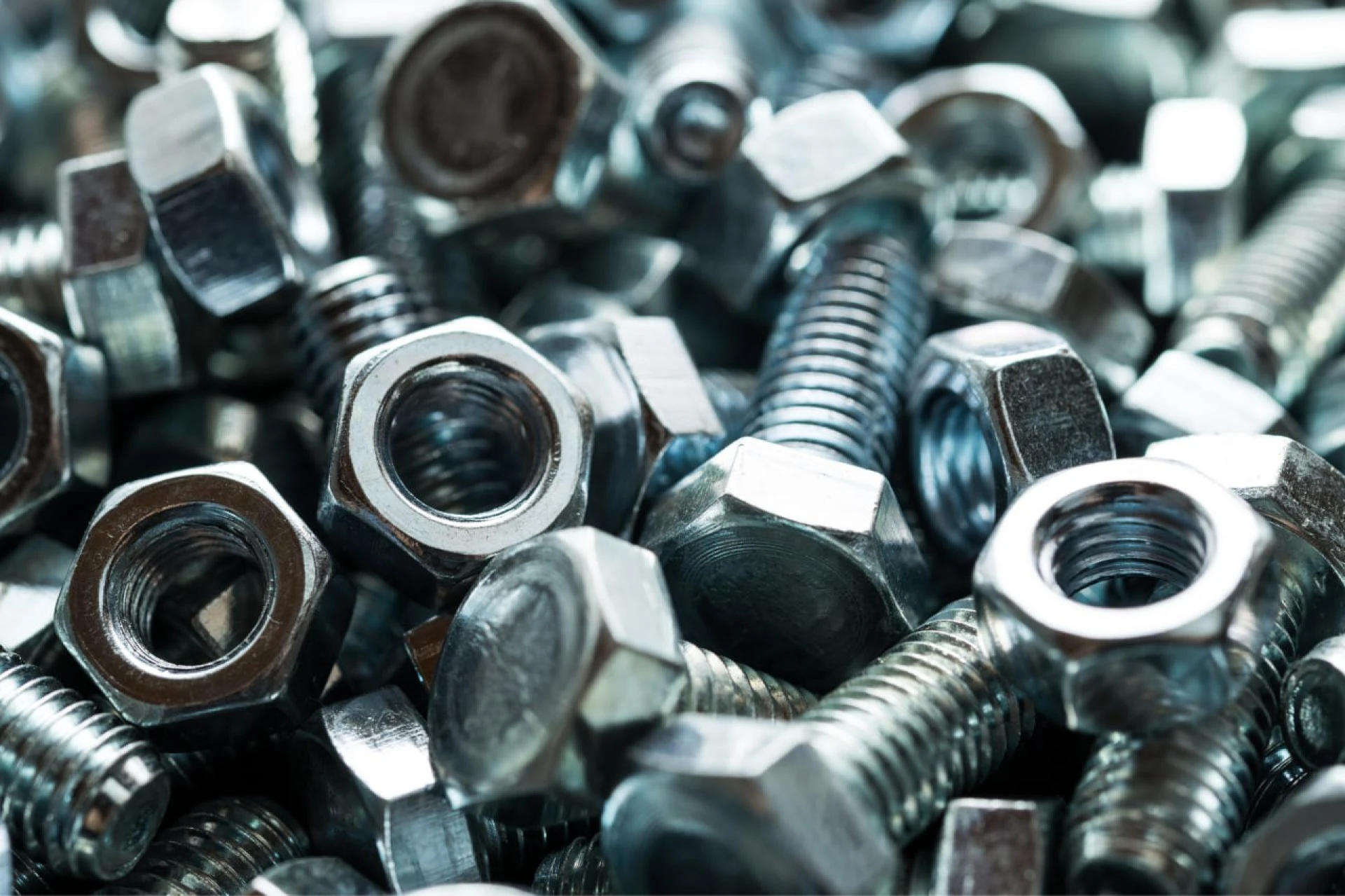

Hollo-Bolts are a type of fastener that has been gaining popularity in the construction industry, especially in Australia. They are designed to be used in hollow sections of steel structures, providing a secure and strong connection that can withstand heavy loads. While Hollo-Bolts offer several advantages over traditional bolt and screw methods, they also have some disadvantages that need to be considered before use.
Hollo-Bolts have been gaining popularity in the Australian construction industry due to their unique design and numerous benefits. These bolts are widely used in projects that require a secure connection between steel structures and concrete or masonry. Their innovative design allows them to provide greater load-bearing capacity, improved vibration and noise dampening, and ease of installation.
Additionally, Hollo-Bolts in Australia has the potential to reduce labour costs and installation times, making them a cost-effective solution for construction projects. However, while they offer several advantages, there are also some drawbacks to consider before using Hollo-Bolts in construction projects. In this article, we will discuss the advantages and disadvantages of using Hollo-Bolts in Australian construction projects.
Advantages of using Hollo-Bolts in the Australian construction
Greater load-bearing capacity compared to traditional bolts and screws
Hollo-Bolts offer a greater load-bearing capacity than traditional bolts and screws. This is because they distribute the load over a larger area, reducing the stress on the surrounding structure. This makes them an ideal choice for applications that require high strength and reliability, such as bridges, stadiums, and high-rise buildings.
Ease of installation and reduction in labour costs
Hollo-Bolts are easy to install, which reduces labour costs and installation time. They do not require pre-drilling or welding, which can be time-consuming and costly. Instead, they are simply inserted into the hollow section of the steel structure and tightened with a torque wrench. This makes them a more efficient choice for construction projects where time and cost are critical factors.
Improved vibration and noise dampening
Hollo-Bolts are designed to reduce vibration and noise in steel structures. They have a unique design that allows them to expand inside the hollow section, creating a tight and secure connection. This tight connection helps to dampen vibrations and reduce noise, which is especially important in applications such as bridges and stadiums where vibration and noise can be a significant issue.
Increased safety due to reduced risk of fatigue and failure
Hollo-Bolts in Australia have a low risk of fatigue and failure compared to traditional bolt and screw methods. This is because they have a larger cross-sectional area, which distributes the load more evenly and reduces stress on the surrounding structure. This reduces the risk of fatigue and failure, which is critical in high-stress applications such as bridges and high-rise buildings.
Disadvantages of using Hollo-Bolts in the Australian construction
Higher cost compared to traditional bolt and screw methods
One of the main disadvantages of Hollo-Bolts is their higher cost compared to traditional bolt and screw methods. This is because they are a newer technology and require specialised equipment for installation. Additionally, they are not as widely available as traditional bolts and screws, which can add to their cost.
Limited availability and variety of Hollo-Bolt sizes
Another disadvantage of Hollo-Bolts is their limited availability and variety of sizes. While they are available in a range of sizes, the selection is not as extensive as traditional bolts and screws. This can limit their use in some applications and add to the cost of a project if custom sizes are required.
Risk of improper installation leading to failure
Hollo-Bolts require precise installation to ensure their strength and reliability. If they are installed improperly, they can fail under load and compromise the safety of the structure. This is why it is critical to use trained and experienced professionals for the installation of Hollo-Bolts.
Potential corrosion issues in certain environments
Hollo-Bolts are made of steel and are therefore susceptible to corrosion in certain environments, such as those with high humidity or exposure to saltwater. While they are typically coated with a protective layer to prevent corrosion, the protective layer can wear over time, leaving the bolts vulnerable to rust and corrosion.
Hollo-Bolt case studies in the Australian construction
There have been several successful Hollo-Bolt installations in Australian construction projects. One notable example is the new Perth Stadium, which was completed in 2018.
Hollo-Bolts were used extensively throughout the stadium's construction, providing a secure and reliable connection between the steel structures. The use of Hollo-Bolts in Australia allowed for faster installation times and reduced labour costs, making it a more efficient choice for the project.
However, there have also been some instances of Hollo-Bolt failure in Australian construction. One such example is the collapse of the Wembley Stadium roof in London in 2004. The collapse was caused by the failure of several Hollo-Bolts that were used to attach the roof to the stadium's structure. The incident highlighted the importance of proper installation and quality control when using Hollo-Bolts in construction.
Another notable case study of Hollo-Bolt usage in Australian construction is the Sydney Opera House renovation project. The renovation involved the installation of a new acoustic ceiling to improve the acoustics of the concert hall. Hollo-Bolts were used to securely attach the ceiling to the existing steel structure. The unique design of the Hollo-Bolts allowed for easier installation, reducing labour costs and installation times.
The use of Hollo-Bolts also provided a safer working environment for the construction workers as they did not have to climb ladders to attach to the ceiling. The Sydney Opera House renovation project is just one example of how Hollo-Bolts have been successfully used in Australian construction projects, providing significant advantages over traditional bolt and screw methods.
Conclusion
In conclusion, Hollo-Bolts offer several advantages over traditional bolt and screw methods in Australian construction projects, including greater load-bearing capacity, ease of installation, improved vibration and noise dampening, and increased safety.
However, they also have some disadvantages that need to be considered, such as higher cost, limited availability and variety of sizes, the risk of improper installation leading to failure, and potential corrosion issues in certain environments.
It is important to carefully evaluate the advantages and disadvantages of Hollo-Bolts before use and to use trained and experienced professionals for their installation. Overall, Hollo-Bolts can be a valuable addition to the construction industry in Australia, but they must be used properly and with caution.


























Sign in to leave a comment.