Introduction
In the world of precision machining, the need for durability, accuracy, and cost-efficiency is ever-growing. Among the many innovations designed to meet these demands is the tungsten carbide milling cutter. It has proven to be a game-changer for industries requiring high-performance cutting tools, including aerospace, automotive, mold making, and general engineering. This article explores the unique benefits, applications, and reasons for choosing this cutting tool in today’s manufacturing setups.
What is a Tungsten Carbide Milling Cutter?
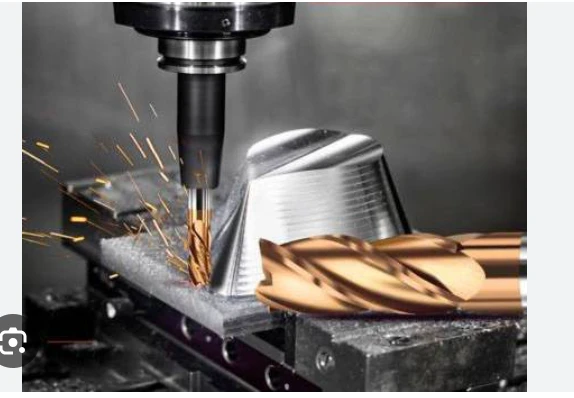
A tungsten carbide milling cutter is a rotary cutting tool used in milling applications. It is composed of tungsten carbide, a compound known for its extreme hardness and high resistance to wear. This makes the tool suitable for cutting hard materials, including stainless steel, titanium, and hardened tool steel. Unlike traditional steel tools, this cutter maintains its sharpness and structural integrity even under intense machining conditions.
How It Differs from Traditional Milling Tools
While high-speed steel tools have been widely used for many decades, they fall short in performance compared to their tungsten carbide counterparts. The key differences include:
- Hardness and Durability: Tungsten carbide is significantly harder than steel, allowing it to retain sharp cutting edges longer.
- Cutting Speed: Tools made from tungsten carbide can operate at higher speeds without losing precision.
- Heat Resistance: These cutters withstand higher temperatures during machining, reducing the risk of tool deformation.
- Surface Finish: A smoother and more consistent finish is often achieved, reducing the need for post-processing.
Benefits in Industrial Applications
The tungsten carbide milling cutter brings several practical benefits across industries. Let’s examine some of the major advantages:
Longer Tool Life
The longevity of a cutting tool significantly impacts the overall cost of production. Because tungsten carbide is highly resistant to wear and deformation, cutters made from this material last much longer. This reduces the frequency of tool replacement and leads to less downtime on the shop floor.
Precision Machining
Achieving high-precision cuts is essential for modern manufacturing. A tungsten carbide milling cutter ensures consistent tolerances and tight specifications, which is crucial in fields such as aerospace and medical device production.
High-Speed Capability
In fast-paced manufacturing environments, speed matters. The ability to mill at higher spindle speeds allows for quicker material removal rates. This efficiency can boost production output without compromising quality.
Resistance to Tough Materials
Machining tough materials such as alloy steels or exotic metals often causes traditional tools to fail quickly. The tungsten carbide milling cutter, however, can withstand these materials without a significant reduction in performance.
Improved Surface Finish
The hardness and sharpness of the cutting edge tungsten carbide milling cutter contribute to a cleaner cut. This results in better surface finishes, which minimizes the need for additional polishing or secondary operations.
Applications Across Industries
Thanks to its superior characteristics, this cutting tool is utilized in a variety of industries:
- Aerospace Industry: Used for cutting titanium alloys, Inconel, and other heat-resistant materials.
- Automotive Manufacturing: Applied in engine block machining, gearbox parts, and suspension components.
- Die and Mold Making: Essential for achieving intricate cavity shapes and maintaining fine detail work.
- Medical Device Production: Used for fabricating orthopedic implants and surgical instruments.
- Energy Sector: Deployed in the machining of valves, turbines, and power generation components.
Choosing the Right Cutter for Your Needs
Not all tungsten carbide milling cutters are created equal. When selecting one for a specific job, consider the following factors:
Coating
Modern cutters often come with coatings such as TiAlN or AlTiN. These coatings increase heat resistance and reduce friction during cutting.
Flute Design
The number and design of flutes affect chip removal and surface finish. For example, a 2-flute design is typically better for aluminum, while 4-flute or 6-flute designs are ideal for harder materials.
End vs. Ball Nose
End mills are good for straight cuts, while ball nose cutters are preferred for 3D contouring. Understanding the part geometry helps determine the right shape.
Shank Diameter
The shank must be compatible with the collet or holder used in your CNC machine to avoid vibrations and misalignment.
Cost vs. Value Consideration
Although a tungsten carbide milling cutter may cost more upfront than conventional cutters, its durability and performance offer long-term value. Lower replacement frequency, reduced machining time, and fewer tool breakages contribute to significant savings over time.
Maintenance and Best Practices
Even the best tools need proper handling. Here are a few maintenance tips:
- Always use appropriate feeds and speeds for the material.
- Store tools in a clean, dry environment to avoid oxidation or chipping.
- Inspect the cutter before each use for signs of wear or damage.
- Use proper tool holders and alignment to avoid premature breakage.
Conclusion
The tungsten carbide milling cutter stands as a premium solution for modern machining challenges. With enhanced durability, precision, and speed, it has become the tool of choice for many industries. As manufacturing evolves and demands grow, adopting advanced tools like this cutter is not just beneficial—it’s essential. Whether you're a small workshop or a large-scale production facility, investing in high-quality milling tools can dramatically improve your process efficiency and product quality.
By understanding its features, applications, and benefits, businesses can make informed decisions and achieve a higher standard of machining. The next time you're evaluating tooling options, consider the unmatched advantages of a tungsten carbide milling cutter.






























Sign in to leave a comment.