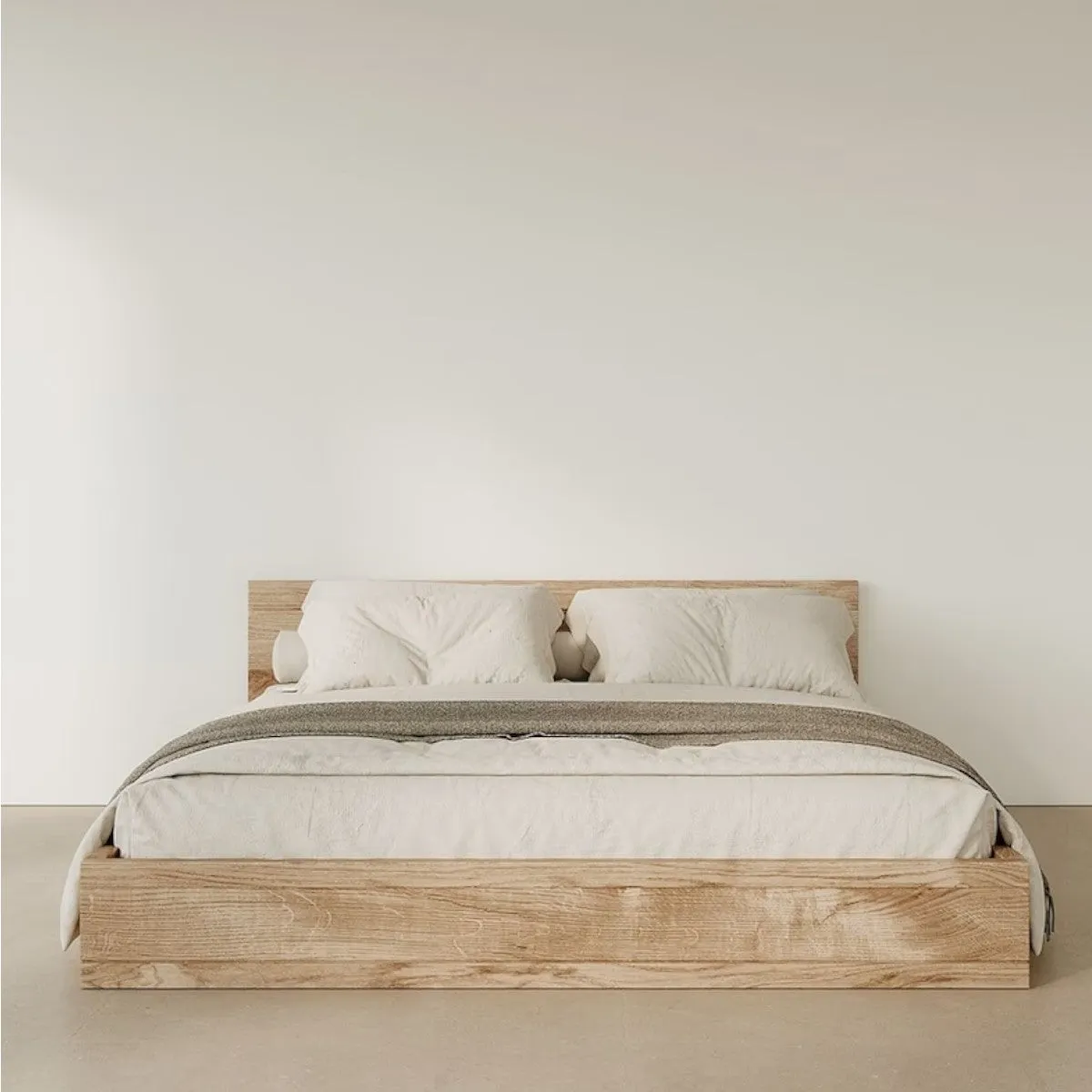

A bedroom can have beautiful paint, thoughtful lighting, and carefully chosen accessories, but the bed usually remains the main visual focus. It takes up more space than almost any other piece of furniture, so its shape, material, and finish can influence the entire feel of the room.
When looking through different furniture styles, I found that choosing a bed is not simply about picking the most attractive design. The better approach is to consider how the bed will work with the room, mattress, storage needs, and other furniture. A good-looking aesthetic bed frame should also feel practical enough for everyday life.
Here are some of the most useful bed styles, materials, and design considerations to know before making a decision.
What Makes a Bed Look Aesthetic?
An attractive bedroom does not necessarily need an elaborate bed. In many cases, simple proportions and quality materials create a more appealing result.
An aesthetic bed often has a few common characteristics:
- Balanced proportions that suit the room
- A headboard that adds character without overwhelming the space
- A finish that works with the existing color palette
- Clean lines or carefully designed details
- Materials that look appropriate for the overall decorating style
The important thing is coordination. A large, heavily detailed bed can make a small bedroom feel crowded, while an extremely simple frame may look lost in a large room.
Different Types of Beds Worth Considering
Platform Beds
Platform beds have a relatively low-profile design and are popular in modern and contemporary bedrooms. Their straightforward shape can make a room feel more open, especially when there is limited floor space.
They can also work well with neutral bedding, textured throws, and simple nightstands. If you prefer a clean bedroom without too many decorative elements, this style is worth considering.
Panel and Headboard Beds
Panel beds generally have a more substantial appearance, particularly when they include a tall headboard. Depending on the material and finish, they can work in traditional, transitional, rustic, or contemporary bedrooms.
A well-designed headboard can also become a focal point behind the pillows. However, measure the wall height before choosing a tall design, especially if the bedroom has low ceilings.
Canopy Beds
Canopy beds create a stronger architectural statement. Traditional versions can feel classic and decorative, while modern canopy frames often use simpler lines.
You do not necessarily need curtains around a canopy bed. Leaving the frame open can provide the same visual structure while keeping the room feeling lighter.
Storage Beds
For apartment bedrooms, guest rooms, or homes where storage is limited, a storage bed can solve a practical problem without requiring another large cabinet.
Depending on the design, storage may be available underneath the mattress platform or within built-in compartments. Before buying one, check how easily the storage area can be accessed and whether it will still be convenient when the bed is positioned against a wall.
Choosing the Right Material
Material has a major impact on how a bed looks and how it performs over time.
Solid wood is one of the most versatile choices. Different woods have their own grain patterns, colors, and characteristics, allowing the bed to fit into a variety of interiors. Oak, walnut, teak, and ash, for example, can each create a noticeably different appearance.
Metal frames can provide a lighter, more industrial look, while upholstered beds introduce softness and texture. Your choice should depend on both the decorating style and how much maintenance you are comfortable with.
If you are already furnishing your bedroom with wooden nightstands, dressers, or benches, choosing a wooden bed can create a more connected appearance. This is one reason Solid Wood Furniture remains a practical choice for people who want natural materials throughout their homes.
Why an Aesthetic Bed Frame Should Also Be Practical
Looks should not be the only deciding factor when choosing an aesthetic bed frame.
Start by checking the exact mattress dimensions. A frame should be compatible with the mattress size you already own or plan to purchase. Also consider the height of the frame. A very low bed may look modern, but it might not be comfortable for everyone to get in and out of.
Construction is equally important. Look at the joints, support system, legs, and overall frame design rather than focusing only on photographs.
For people interested in a solid wood bed, it is also useful to understand the wood finish. A natural finish can highlight grain variation, while a darker stain can give the same basic material a completely different character.
How to Match the Bed With the Rest of Your Bedroom
Once the bed has been selected, the surrounding furniture should support rather than compete with it.
Try keeping the following elements coordinated:
Nightstands: Choose nightstands with a similar visual weight or complementary finish.
Rugs: A rug placed under or around the bed can define the sleeping area and add warmth.
Lighting: Bedside lamps or wall lights can balance the visual height of the headboard.
Bedding: Neutral bedding allows the bed frame to stand out, while patterned bedding can make a simple frame more interesting.
Wood finishes: Different wood tones can work together, but too many competing finishes may make the room look disconnected. When mixing woods, repeat one tone elsewhere in the room to create continuity.
Simple Ways to Maintain a Wooden Bed
A little regular care can help keep a wooden frame looking good for years.
- Dust the surface with a soft, dry cloth regularly.
- Wipe spills promptly instead of allowing moisture to sit on the wood.
- Avoid soaking the frame with cleaning products or water.
- Use cleaning products appropriate for the specific finish.
- Check screws, bolts, and joints occasionally.
- Keep the bed away from prolonged, intense direct sunlight when possible.
- Avoid dragging the frame across the floor when moving it.
It is also worth checking underneath the bed occasionally. Dust and debris can accumulate around the legs and support structure, particularly in bedrooms with carpets.
A Simple Buying Checklist
Before committing to a bed, take a few measurements and answer these questions:
- What mattress size will the frame accommodate?
- How much floor space will remain around the bed?
- Does the headboard suit the ceiling height?
- Do you need built-in storage?
- Will the material work with your existing furniture?
- Is the frame constructed for regular everyday use?
- How much maintenance does the finish require?
These questions may seem basic, but they can prevent common mistakes such as buying a frame that is too large for the room or choosing a finish that clashes with existing furniture.
Final Thoughts
Choosing a bed is really about finding the right balance between appearance and everyday practicality. Different styles, from low-profile platform designs to substantial headboards and storage beds, can create very different bedroom environments.
While exploring different furniture options, I found that Nismaaya Decor offers a useful range of materials and designs for people who want to build a more considered bedroom setup. The key takeaway, however, is to look beyond the appearance of a frame. Consider its dimensions, construction, material, maintenance requirements, and how naturally it will work with the furniture you already own.
A well-chosen bed should not only look good when the room is freshly decorated. It should continue to make sense as part of your everyday bedroom for years to come.























Sign in to leave a comment.