
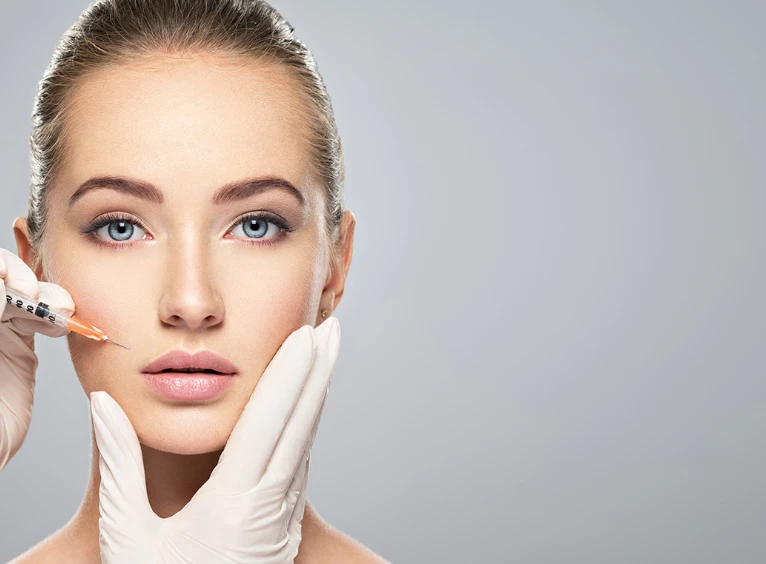
Everything You Need to Know About Becoming an Aesthetic Nurse Injector
As the demand for non-surgical cosmetic treatments continues to rise, the career path of an aesthetic nurse injector has emerged as a highly rewarding option for licensed nurses. Whether you're an RN looking to shift into a more creative, client-facing role or simply curious about opportunities in aesthetic medicine, this guide will provide clear and accurate information to help you get started.
What Is an Aesthetic Nurse Injector?
An aesthetic nurse injector is a licensed medical professional trained in delivering cosmetic injections such as Botox, dermal fillers, Kybella, and other non-surgical facial rejuvenation treatments. These nurses typically work in collaboration with medical directors or physicians in med spas, dermatology clinics, plastic surgery centers, or even run their own practices (depending on state laws).
What sets this role apart is the combination of clinical skill and artistic finesse. Aesthetic nurse injectors don’t just treat—they enhance natural beauty, restore symmetry, and boost confidence.
Why Is This Career Gaining So Much Popularity?
There are several reasons why more nurses are becoming aesthetic injectors:
- High job satisfaction due to personalized care and visible patient results
- Growing market for aesthetic treatments among all age groups
- Flexible work environments, often with no night or weekend shifts
- Potential for entrepreneurship through mobile or independent practice
This career offers a unique mix of independence, artistry, and medical precision, which many healthcare professionals find refreshing compared to hospital or bedside care.
How to Become an Aesthetic Nurse Injector
1. Obtain Your Nursing License (RN or NP)
The first and most essential step is to become a Registered Nurse (RN) or Nurse Practitioner (NP). This involves:
- Completing an accredited ADN or BSN program
- Passing the NCLEX-RN exam
- Becoming licensed to practice in your state
Some aesthetic nurses also have a background in plastic surgery, dermatology, or critical care, which adds credibility and confidence when entering aesthetics.
2. Gain Hands-On Clinical Experience
Most reputable employers and training programs prefer nurses with at least 1–2 years of bedside or outpatient experience. It builds foundational medical skills and teaches patient communication, safety awareness, and clinical documentation—skills that directly translate to aesthetic nursing.
3. Complete Aesthetic Injector Training
Once you’re licensed, the next step is to undergo hands-on injector training. Look for programs that cover:
- Facial anatomy and injection zones
- Botox and neuromodulator techniques
- Filler types and placement
- Safety protocols and emergency response (e.g., vascular occlusion management)
- Client consultations and aesthetic planning
At Zensken, we strongly advocate for quality training from certified professionals, not just to pass requirements—but to truly master the art and ethics behind cosmetic injectables.
4. Understand Your State’s Regulations
Every state has different laws governing who can inject cosmetic products. Some require supervision by a physician or medical director. Be sure to review your state’s Board of Nursing and Medical Board guidelines to ensure legal and safe practice.
What Makes a Great Aesthetic Nurse Injector?
Success in this field doesn’t come from technical skill alone. Here are the core attributes that set top injectors apart:
- Precision and attention to detail: Aesthetics is measured in millimeters.
- Empathy and listening skills: Understanding what patients want—without judgment—is critical.
- Artistic eye: Symmetry, proportion, and natural enhancement are your tools.
- Strong ethical grounding: Saying “no” to a procedure is sometimes the right call.
Injectors who continuously invest in education, attend workshops, and keep up with trends tend to gain more loyal clients and trust.
Day in the Life of an Aesthetic Nurse Injector
Aesthetic nurses typically start the day reviewing patient schedules and treatment plans. Each appointment includes:
- A consultation to understand client goals
- Assessment of facial structure, skin tone, and desired outcomes
- Product selection and safety checks
- Careful injection using advanced techniques
- Aftercare guidance and follow-up planning
They also stay connected with vendors, manage supplies, maintain sterile environments, and keep documentation for medical records and liability.
Career Opportunities and Salary Potential
The market for injectables is projected to grow significantly through 2030. As a result, certified injectors are in high demand. Depending on your experience and location, aesthetic nurse injectors in the U.S. earn anywhere from:
- $80,000 to $130,000 annually
- $40 to $90 per hour for part-time or contract roles
- Additional commission or tips in med spa settings
Many nurses also transition into training roles, open their own practices, or partner with plastic surgeons, which can further boost income and flexibility.
Building a Career in Aesthetics: Tips for Long-Term Growth
1. Develop a Niche
Some injectors specialize in lips, under-eyes, or profile balancing. Having a niche can help build a signature style and clientele.
2. Focus on Before-and-After Portfolios
Your results are your resume. With client consent, professionally documenting your transformations builds trust and acts as visual proof of your expertise.
3. Build an Online Presence
Today’s clients often find their aesthetic providers via Instagram, TikTok, and Google. Showcasing education, tips, and real results online boosts visibility and credibility.
4. Network With Industry Professionals
Attend conferences, join online groups, or enroll in advanced masterclasses to stay updated and connected.
Conclusion
Becoming an aesthetic nurse injector is more than a career move—it's a lifestyle choice that blends clinical skill, artistic vision, and patient empowerment. With the right training, mindset, and support, nurses can find long-term success and fulfillment in this dynamic and ever-evolving field.









Sign in to leave a comment.