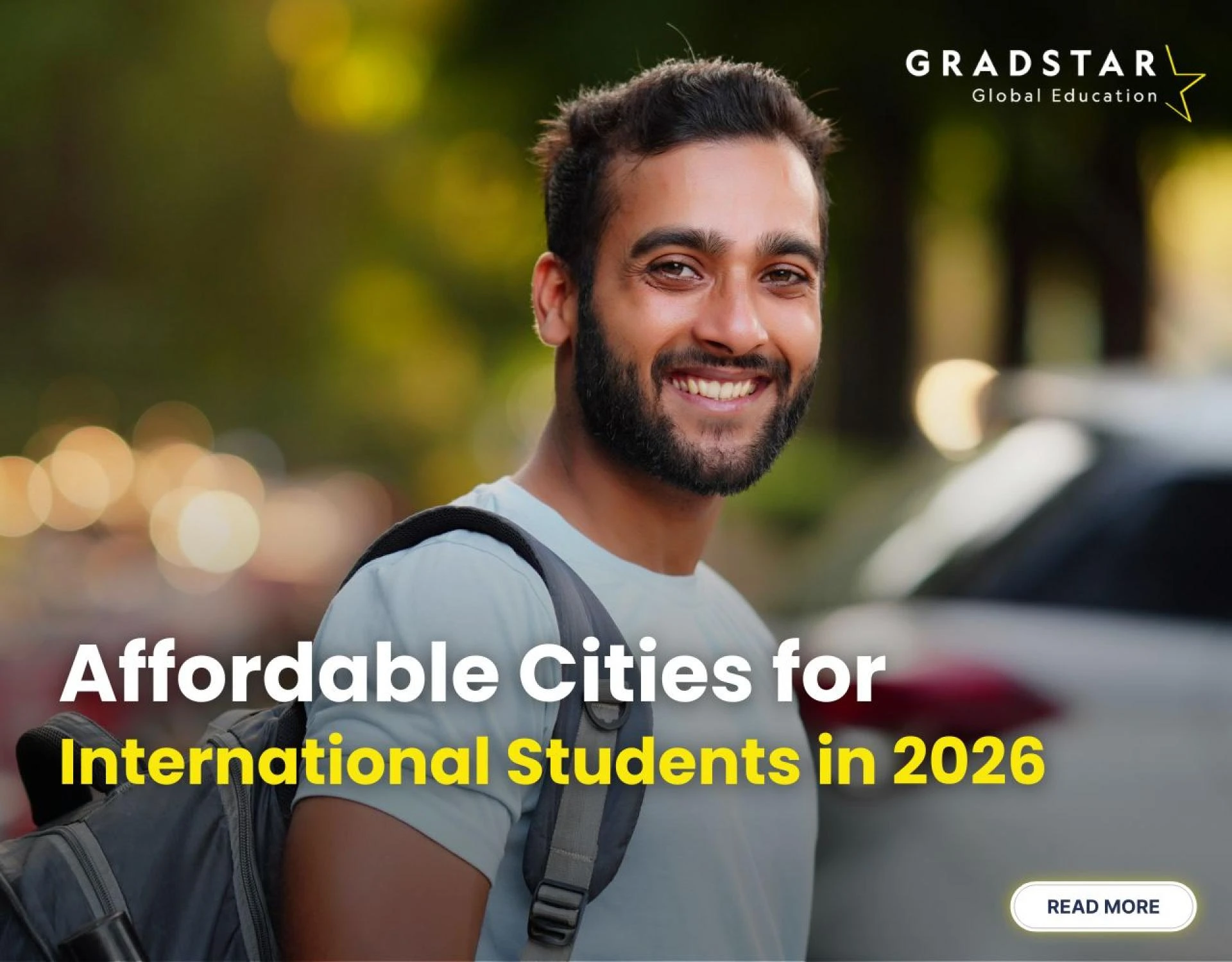

Studying abroad is an exciting and life-changing experience, but it can also be financially challenging. Tuition fees, accommodation costs, and everyday living expenses can quickly add up, making affordability a key factor when choosing a study destination. Fortunately, there are several affordable student cities around the world where international students can enjoy a high-quality education without incurring significant costs. Whether you’re planning to study in Europe, Asia, or North America, these cheapest cities to study abroad offer a great balance between cost and quality of life in 2026.
1. Berlin, Germany
Germany has long been known for its tuition-free or low-cost education system, and Berlin stands out as one of the best affordable student cities in Europe. Most public universities in Berlin charge only a small administrative fee per semester, making it a great choice for students seeking a world-class education on a budget.
Why it’s affordable:
No tuition fees at public universities.
Low-cost public transport and student discounts
Affordable accommodation in shared apartments.
Average monthly expenses: €800–€1,000.
Besides affordability, Berlin’s multicultural atmosphere, creative industries, and vibrant student life make it an ideal destination for those seeking both education and adventure.
2. Warsaw, Poland
Warsaw is quickly emerging as one of the cheapest cities to study abroad in Europe. Poland offers high-quality education at a fraction of the cost of Western European countries. English-taught programs are available in many disciplines, and the cost of living remains relatively low compared to other EU capitals.
Why it’s affordable:
Tuition fees as low as €2,000–€4,000 per year
Budget-friendly food, transport, and entertainment.
Affordable housing options for students.
Average monthly expenses: €600–€800.
With its rich history, growing job opportunities, and welcoming atmosphere for international students, Warsaw provides a perfect mix of affordability and opportunity.
3. Kuala Lumpur, Malaysia
Malaysia is one of Asia’s most affordable student cities, combining cultural diversity, modern infrastructure, and low living costs. Kuala Lumpur hosts several globally recognized universities, including branches of international institutions like the University of Nottingham and Monash University.
Why it’s affordable:
Moderate tuition fees for globally ranked universities.
Cheap and delicious local food options.
Affordable public transportation and accommodation.
Average monthly expenses: $400–$600 (USD).
Kuala Lumpur’s blend of Eastern and Western cultures, safety, and affordable lifestyle make it a hidden gem for international students in 2026.
4. Budapest, Hungary
Budapest is another European capital offering high-quality education at an affordable price. The city is home to top-ranked institutions such as Eötvös Loránd University and the Budapest University of Technology and Economics.
Why it’s affordable:
Low tuition fees (average €2,000–€5,000 per year).
Reasonable living costs and inexpensive dining.
Student discounts on transportation and cultural events.
Average monthly expenses: €700–€900.
Budapest’s stunning architecture, safe environment, and welcoming student community make it a top choice among the cheapest cities to study abroad in 2026.
5. Montreal, Canada
While Canada is generally considered an expensive destination, Montreal stands out as one of the affordable student cities in North America. It offers a perfect mix of European charm, academic excellence, and reasonable costs compared to other Canadian cities like Toronto or Vancouver.
Why it’s affordable:
Lower tuition fees for international students compared to other provinces.
Affordable housing and vibrant student lifestyle.
Part-time work opportunities for international students.
Average monthly expenses: CAD 1,200–1,500.
Montreal also ranks high in global quality-of-life indexes, making it one of the most livable cities for international students and has the best universities in canada for indian students as well as international students.
6. Lisbon, Portugal
Lisbon is becoming increasingly popular among international students for its affordability and relaxed lifestyle. Portugal’s universities offer English-taught programs, particularly in business, technology, and tourism, at relatively low tuition fees.
Why it’s affordable:
Low living expenses compared to Western Europe.
Affordable accommodation and local cuisine.
Pleasant climate and safe environment.
Average monthly expenses: €700–€900.
For students looking to balance academics with a rich cultural experience, Lisbon offers great value for money in 2026.
7. New Delhi, India
For students seeking the cheapest cities to study abroad, New Delhi offers unmatched affordability. With numerous globally recognized universities and a thriving academic culture, India’s capital city provides quality education at a fraction of the cost compared to Western nations, also if you do have any doubt then you can consult to Global Gradstar Education personally also.
Why it’s affordable:
Extremely low tuition and living costs.
Affordable public transport and student housing.
Wide variety of academic programs in English.
Average monthly expenses: $300–$500 (USD).
New Delhi also offers a rich cultural experience, diverse cuisine, and an opportunity to connect with one of the world’s fastest-growing economies.
Final Thoughts
As the cost of education continues to rise globally, finding the right balance between affordability and quality is crucial for international students. The affordable student cities mentioned above—Berlin, Warsaw, Kuala Lumpur, Budapest, Montreal, Lisbon, and New Delhi—offer excellent academic standards, cultural diversity, and student-friendly living conditions at reasonable costs.
Choosing one of these cheapest cities to study abroad in 2026 can help you pursue your academic dreams without financial stress. Ultimately, the best destination depends on your field of study, lifestyle preferences, and long-term goals. With careful planning and budgeting, studying abroad doesn’t have to be expensive—it can be smart, strategic, and rewarding.



























Sign in to leave a comment.