Quick Answer
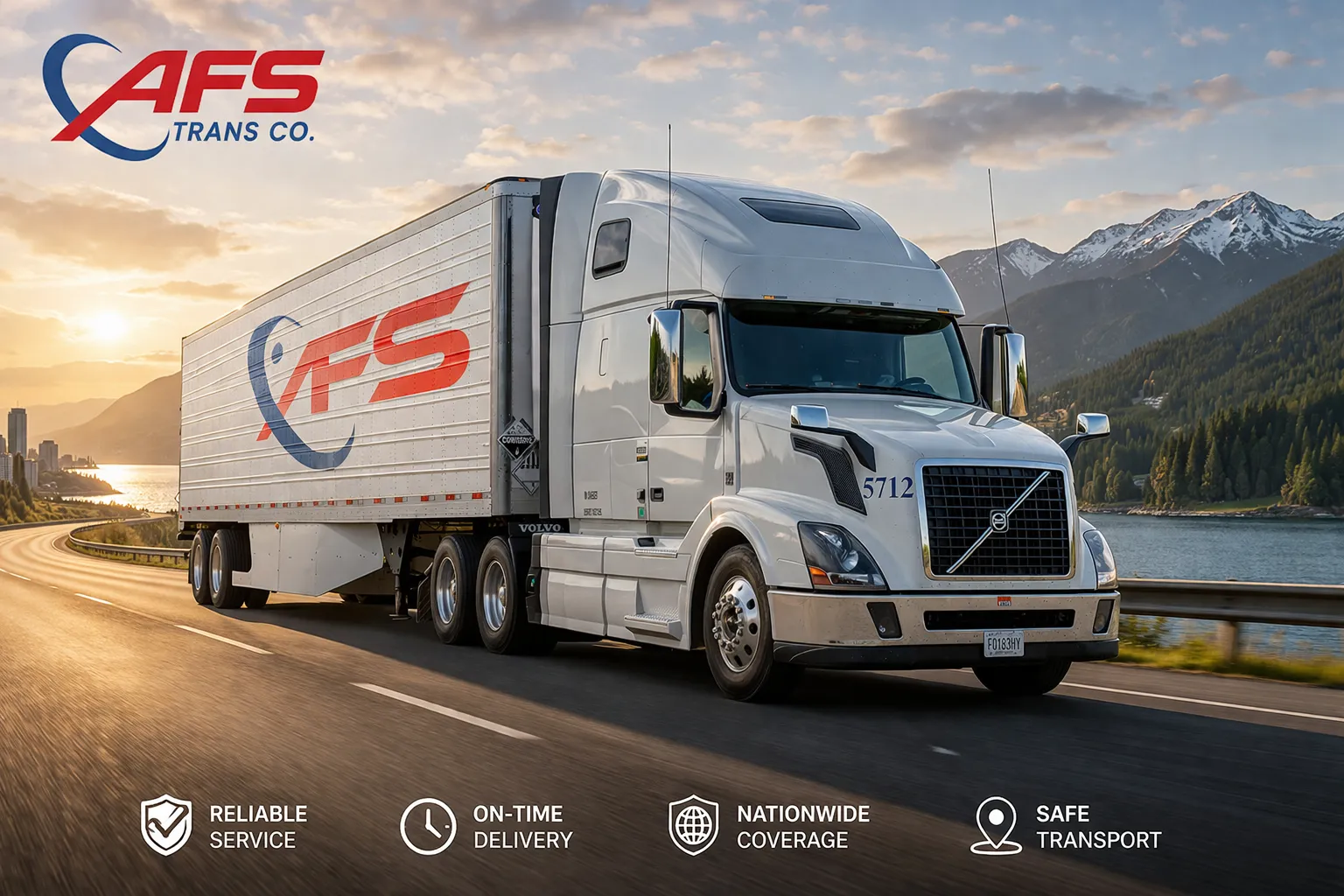
AFS logistics tracking helps shippers monitor freight status, plan receiving and delivery activity, communicate accurate updates, and respond to exceptions sooner. For businesses moving freight through Vancouver and across North America, tracking is most useful when it connects transportation with warehousing, cross-docking, documentation, and delivery planning. AFS Trans Co. provides transportation and warehousing services supported by shipment visibility and 24/7 dispatch.
Introduction
Freight visibility has become an everyday operational need. When a shipment is delayed or its status is unclear, the impact can spread quickly. A warehouse may not have the right receiving team ready, a customer may not know when to expect delivery, and inventory plans may need to change.
That is where AFS logistics tracking becomes useful. Instead of relying only on phone calls, spreadsheets, or manual status checks, shippers can use shipment information to understand where freight stands and what action may be needed next. AFS Trans Co. supports door-to-door transportation, cross-border freight, trucking, and warehousing, so tracking can be considered as part of a broader logistics process.
What Is AFS Logistics Tracking?
AFS logistics tracking refers to shipment visibility that helps customers follow freight movement and receive useful status information during transit. Tracking can include shipment references, pickup and delivery information, GPS-based visibility, status events, and documentation depending on the shipment and service.
The practical goal is simple: know what is happening with a load early enough to make a useful decision. That could mean preparing a receiving dock, updating a customer, changing an appointment, checking a warehouse slot, or contacting the logistics team about an exception.
How Freight Tracking Supports Day-to-Day Operations
1. Better Delivery Planning
A tracking update can help receiving teams prepare labor, dock space, equipment, and paperwork before the truck arrives. This matters especially when several inbound shipments are scheduled close together.
2. Faster Response to Delays
A delay is easier to manage when it is identified early. Shippers can review the latest status, confirm the reason when available, and communicate a revised delivery expectation rather than waiting until a missed appointment becomes a larger problem.
3. Clearer Customer Communication
Customers generally want practical information: Has the shipment been picked up? Is it moving? When should it arrive? Good freight visibility helps teams provide specific updates instead of vague estimates.
4. Stronger Warehouse Coordination
Transportation and warehousing are closely connected. An inbound load arriving earlier or later than planned can affect storage capacity, receiving schedules, picking activity, and outbound distribution.
For businesses that need storage and fulfillment support, see AFS Trans Co. warehousing services in Vancouver for information on 3PL storage, inventory visibility, and distribution.
AFS Freight Tracking: What Information Should Shippers Watch?
Not every shipment produces identical tracking data, but these are useful checkpoints to monitor:
- Shipment or tracking reference and booking details.
- Pickup confirmation and pickup time.
- Current transit status and recent scan or movement event.
- Estimated delivery window or appointment.
- Exception messages or service alerts.
- Proof of delivery when the shipment is completed.
- Shipping documents needed by operations, customers, or receiving teams.
Why Tracking Matters for Vancouver Freight
Vancouver is an important logistics gateway for Canadian and international freight. Businesses operating in the region may coordinate port activity, trucking, warehousing, cross-border transportation, and distribution across British Columbia and beyond. In this environment, visibility can help different teams work from the same shipment information.
For importers and distributors, tracking can also support the transition between transportation and storage. A shipment moving into a warehouse needs more than a location update: the receiving team needs enough information to plan unloading, inspection, storage, and onward distribution.
Beverages Warehousing Vancouver: Why Visibility Matters
Beverage logistics has its own operational requirements. Products may be stored in different environments, moved in palletized quantities, and distributed to retailers, restaurants, wholesalers, or other commercial customers. Tracking becomes more useful when transportation status is coordinated with inventory and warehouse activity.
AFS Trans Co. provides specialized beverage warehousing services as part of its broader warehouse service offering.
For beverage businesses, useful visibility questions include whether inbound freight has arrived, whether inventory has been received, whether outbound orders are ready, and whether transportation is on schedule. This can help operations teams coordinate storage and distribution without treating each stage as a separate process.
Furniture Freight Also Benefits From Shipment Visibility
Furniture may not be the first category people associate with freight tracking, but large and bulky products create clear reasons for visibility. Sofas, dining tables, mattresses, cabinets, and other furniture can require additional space, careful handling, scheduled delivery windows, or warehouse staging.
- Confirming when large items leave the supplier or distribution point.
- Preparing warehouse space for bulky inbound freight.
- Coordinating delivery appointments for customers or retail locations.
- Reducing unnecessary waiting time for receiving teams.
- Keeping customers informed when delivery schedules change.
Whether the shipment contains furniture, beverages, retail inventory, or industrial goods, the operating principle is similar: timely information gives the people responsible for the next step more time to prepare.
AFS Logistics Tracking and Transportation Management Systems
A transportation management system, or TMS, can bring shipment planning, tracking, documents, and communication into a more organized workflow. Tracking is one part of that wider system. When transportation information is easier to access, teams spend less time chasing updates and more time handling exceptions, appointments, and customer requests.
For a deeper explanation, read Benefits of Using a Transportation Management System (TMS) for Freight.
What Should You Look For in Freight Forwarding Companies in Vancouver?
When comparing freight forwarding companies in Vancouver, tracking should be one part of the evaluation rather than the only factor. A provider should also be able to explain how transportation, documentation, warehousing, communication, and exception handling fit together.
- Ask how shipment status is updated and how often.
- Confirm whether the provider supports the lanes and freight types you use.
- Check whether transportation can be coordinated with warehousing or cross-docking.
- Ask how delivery exceptions are communicated.
- Confirm who your operational point of contact is.
- Review how documentation and proof of delivery are handled.
- Request clear pricing and understand what is included in the service.
AFS Trans Co. also has a practical guide on how to find reliable freight forwarding companies in Vancouver.
Tracking LTL Freight: What Shippers Should Know
LTL shipments move through multiple handling points, so tracking can look different from a direct full truckload shipment. A pallet may be scanned at pickup, move through one or more terminals, and then be loaded for final delivery. A status may therefore remain in transit for a period while the shipment is moving between checkpoints.
- Keep the shipment reference or PRO number available.
- Check the most recent scan or status event.
- Compare the current status with the expected delivery window.
- Contact the logistics provider when an update appears inconsistent or overdue.
- Keep receiving teams informed when an appointment may change.
For a more detailed explanation, read How to Track Your LTL Shipment in Real-Time.
Expert Tips for Getting More Value From Freight Tracking
- Save tracking details as soon as a shipment is booked.
- Do not wait until the delivery day to review the status.
- Use automated alerts where available for important shipments.
- Match tracking information with warehouse receiving schedules.
- Keep a clear escalation contact for delayed or exception shipments.
- Record recurring delays by lane, facility, or shipment type so patterns are easier to identify.
- Use tracking as an action tool, not just a status page.
When Should a Business Consider More Connected Tracking?
A more connected tracking process can be useful when a business has frequent shipments, multiple carriers, cross-border freight, several warehouse locations, or regular customer requests for shipment updates. It can also help when operations teams are spending too much time manually checking carrier portals or calling for basic status information.
The right setup depends on shipment volume, transportation modes, technology systems, and customer requirements. The important point is to choose a process that gives the people managing freight enough information to act quickly.
A Practical Freight Tracking Checklist
Before a shipment moves, confirm:
- Pickup and delivery addresses are correct.
- Freight description and handling requirements are documented.
- Tracking or PRO information is available.
- Delivery appointments are confirmed where required.
- Warehouse receiving capacity has been considered.
- Relevant shipping documents are accessible.
- Customers or internal teams know how to request updates.
- An escalation process exists for delays or exceptions.
Why Work With AFS Trans Co.?
AFS Trans Co. provides transportation and warehousing services for businesses moving freight in Canada and across the Canada-US border. The company states that it has more than 15 years of experience and offers trucking, cross-border transportation, temperature-controlled freight, warehousing, cross-docking, and related logistics services.
To explore available transportation and logistics services, visit the AFS Trans Co. homepage.
If your business needs freight visibility alongside transportation or warehousing, the next step is to discuss your shipment lanes, freight type, delivery requirements, and current tracking process. That gives a logistics provider the information needed to suggest an appropriate workflow rather than a generic solution.
Call to Action
Need clearer visibility for your freight? Talk with AFS Trans Co. about your transportation, warehousing, and tracking requirements. Request a free freight quote and share your typical shipment volume, routes, freight type, and delivery needs.
FAQ Section
What is AFS logistics tracking?
AFS logistics tracking refers to shipment visibility that helps shippers monitor freight status, coordinate deliveries, and respond to changes during transit. The exact information available can vary by shipment and service.
How does AFS freight tracking help businesses?
It can help businesses monitor shipment progress, prepare receiving teams, communicate delivery updates, and identify potential exceptions earlier. Tracking is most useful when it connects with transportation and warehouse planning.
Can I track LTL freight in real time?
LTL tracking can provide frequent status updates through pickup scans, terminal scans, GPS information, and delivery events. It is generally near real-time rather than a continuously moving map because updates depend on available tracking data and scan points.
What should I ask freight forwarding companies in Vancouver about tracking?
Ask how often shipment information is updated, what tracking reference is provided, how exceptions are communicated, whether documentation is available, and who handles urgent shipment questions.
Why is beverage warehousing in Vancouver connected to freight tracking?
Transportation timing affects receiving, storage, inventory planning, order preparation, and distribution. Connecting freight status with warehouse activity can make it easier to coordinate inbound and outbound beverage shipments.
Does freight tracking matter for furniture shipments?
Yes. Furniture can be bulky, require careful handling, and involve scheduled warehouse or customer deliveries. Tracking can help teams prepare space, labor, appointments, and customer communication around expected arrival times.
Conclusion
Freight tracking is most valuable when it helps people make better operational decisions. A shipment status can influence warehouse receiving, delivery appointments, inventory planning, customer communication, and exception management. For businesses operating in Vancouver and across North America, AFS logistics tracking can be part of a wider transportation and warehousing workflow that keeps shipment information connected to the next step.
Whether you move LTL freight, full truckloads, beverages, furniture, retail inventory, or temperature-sensitive products, visibility gives your team more time to prepare and respond. If you are looking to improve how your business tracks freight, coordinate warehousing, or manage deliveries, contact AFS Trans Co. to discuss your requirements.


























Sign in to leave a comment.