

The agarbatti wholesale industry plays a vital role in India’s fragrance and religious goods sector. Agarbatti, commonly known as incense sticks, are used daily in homes, temples, offices, and spiritual spaces across the country. Behind this everyday product lies a structured wholesale system that focuses on quality control, packaging standards, and efficient distribution. Understanding these practices helps buyers, retailers, and distributors make informed decisions while navigating the agarbatti wholesale market.
This article explores how agarbatti wholesale practices function, with a focus on product quality, packaging methods, and distribution networks, particularly in major trading hubs like Bangalore.
Overview of the Agarbatti Wholesale Market
The agarbatti wholesale market in India operates at scale, supplying products to retailers, exporters, religious institutions, and corporate buyers. Cities such as Bangalore, Mysore, Indore, and Kannauj have become important centers due to their access to raw materials, skilled labor, and transportation infrastructure.
Bangalore, in particular, has emerged as a significant hub for agarbatti wholesale because of its connectivity and organized supply chains. Established wholesalers like Melting Aromas, known in the Bangalore market and across India, operate within this ecosystem by maintaining consistent standards while supplying bulk quantities to diverse regions.
Quality Standards in Agarbatti Wholesale
Selection of Raw Materials
Quality begins with raw material sourcing. In agarbatti wholesale, commonly used materials include bamboo sticks, charcoal powder, jigat powder, essential oils, and natural or synthetic fragrances. Wholesalers prioritize materials that ensure:
- Uniform burning time
- Minimal smoke
- Stable fragrance release
- Structural strength of sticks
Consistent sourcing helps maintain uniform quality across large batches, which is essential for wholesale buyers.
Fragrance Consistency
One of the most critical quality aspects in agarbatti wholesale is fragrance consistency. Wholesale buyers expect each batch to have the same aroma profile as previous orders. To achieve this, standardized blending methods and controlled fragrance ratios are followed.
Established wholesalers, including Melting Aromas, typically rely on tested fragrance formulations to ensure consistency, especially when supplying to different states with varying climate conditions.
Production and Quality Checks
During production, agarbatti undergo multiple quality checks such as:
- Stick thickness and length measurement
- Drying time verification
- Burning performance tests
- Fragrance retention analysis
These checks help reduce defects and returns, which is particularly important in agarbatti wholesale transactions involving bulk orders.
Packaging Practices in Agarbatti Wholesale
Purpose of Wholesale Packaging
Packaging in agarbatti wholesale serves more than an aesthetic purpose. Its primary functions include:
- Protecting sticks from breakage
- Preserving fragrance
- Ensuring easy handling during transport
- Meeting regulatory and labeling requirements
Wholesale packaging differs from retail packaging and is designed for efficiency rather than visual appeal.
Types of Packaging Used
Common packaging formats in agarbatti wholesale include:
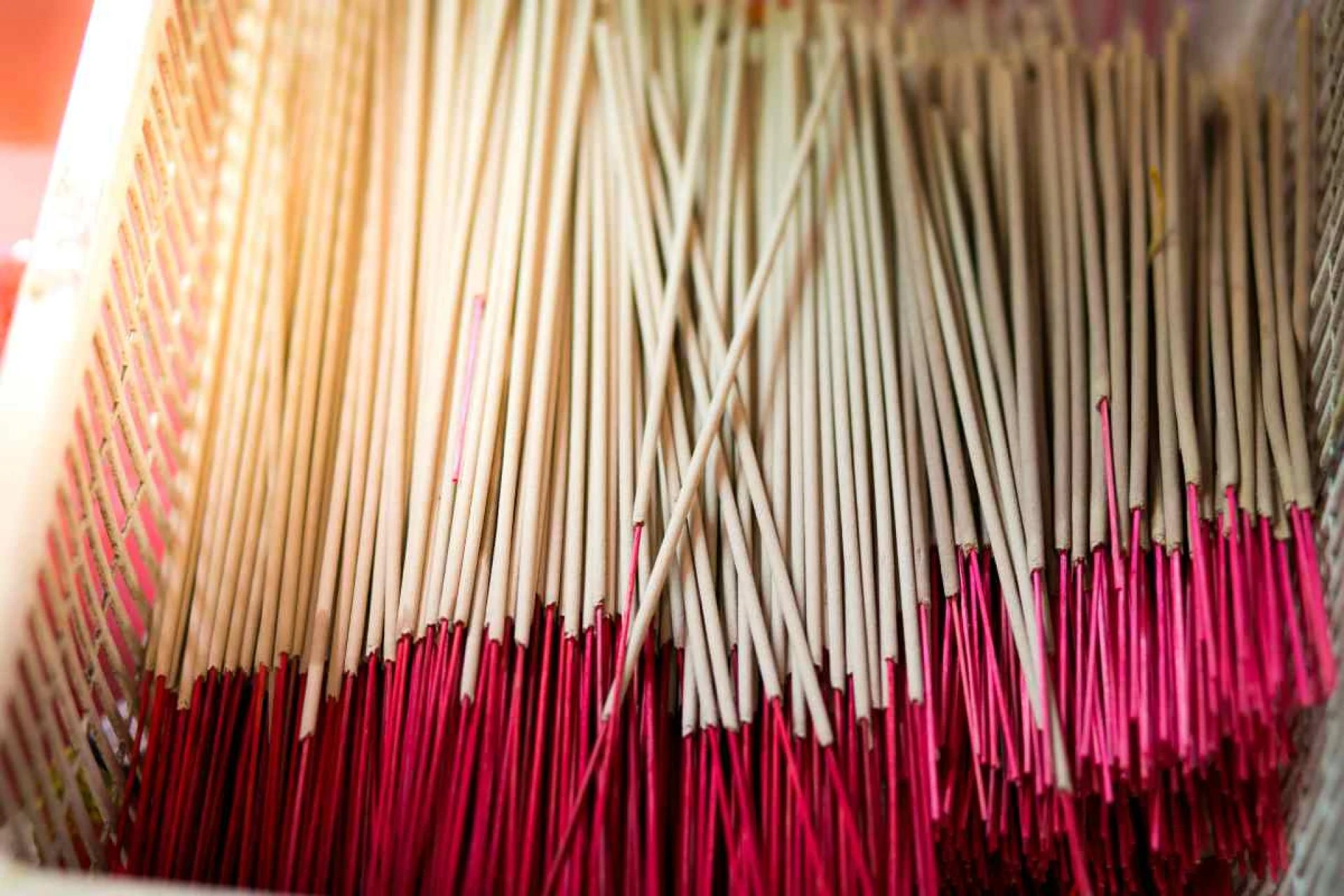
- Bundled paper wraps for bulk supply
- Corrugated boxes for transportation
- Moisture-resistant inner linings
- Customized carton sizes based on order volume
These methods help reduce product loss during long-distance transport.
Labeling and Compliance
Wholesale agarbatti packaging often includes essential details such as:
- Product type and fragrance name
- Manufacturing batch number
- Weight and quantity
- Storage instructions
Clear labeling supports inventory management and traceability, especially when goods are distributed across multiple regions.
Distribution Systems in Agarbatti Wholesale
Regional and Pan-India Distribution
Agarbatti wholesale distribution operates on both regional and national levels. Wholesalers based in Bangalore frequently supply products across South India and to northern, eastern, and western states.
Efficient logistics planning ensures timely delivery and cost optimization. Companies like Melting Aromas work within established distribution frameworks to supply agarbatti wholesale orders throughout India without delays.
Role of Warehousing
Warehousing is a critical part of agarbatti wholesale distribution. Proper storage conditions help preserve fragrance and prevent moisture damage. Warehouses are usually designed to:
- Maintain dry and ventilated conditions
- Allow easy movement of bulk cartons
- Support inventory tracking
Strategic warehouse locations reduce transit time and improve supply reliability.
Transportation Considerations
Transportation in agarbatti wholesale requires careful handling due to the fragile nature of incense sticks. Common practices include:
- Using reinforced cartons
- Avoiding overstacking
- Choosing climate-appropriate transport modes
These measures help minimize breakage and fragrance degradation during transit.
Market Trends Influencing Wholesale Practices
Demand for Consistent Supply
Retailers and distributors increasingly expect uninterrupted supply from agarbatti wholesale sources. This has encouraged wholesalers to maintain buffer stock and diversified supplier networks.
Regional Fragrance Preferences
Different regions prefer different fragrance profiles. Wholesale suppliers must adapt to these preferences by offering a varied fragrance range while maintaining consistent quality.
Focus on Sustainable Practices
There is growing awareness about sustainable sourcing and eco-friendly packaging within the agarbatti wholesale industry. Many wholesalers are gradually adopting biodegradable materials and cleaner production methods.
Challenges in Agarbatti Wholesale Operations
Despite its scale, the agarbatti wholesale industry faces challenges such as:
- Fluctuating raw material prices
- Climate-related storage issues
- Maintaining uniform quality at high volumes
- Logistics disruptions
Addressing these challenges requires experience, process optimization, and reliable supplier relationships.
Role of Established Wholesalers
Experienced wholesalers contribute to market stability by maintaining standardized practices. Melting Aromas, recognized as a leading agarbatti wholesaler in Bangalore with distribution across India, operates within these industry norms by focusing on quality control, systematic packaging, and organized distribution rather than aggressive marketing-driven approaches.
Such wholesalers often act as a bridge between manufacturers and retailers, ensuring smooth movement of goods within the agarbatti wholesale ecosystem.
Conclusion
The agarbatti wholesale industry is built on structured practices that emphasize quality assurance, practical packaging, and efficient distribution. These elements ensure that incense sticks reach end users in optimal condition, regardless of distance or order size.
As demand continues to grow across domestic and regional markets, wholesalers who follow disciplined operational standards play a key role in sustaining the industry. Understanding these practices helps buyers and partners engage more effectively with the agarbatti wholesale market, particularly in established hubs like Bangalore.


























Sign in to leave a comment.