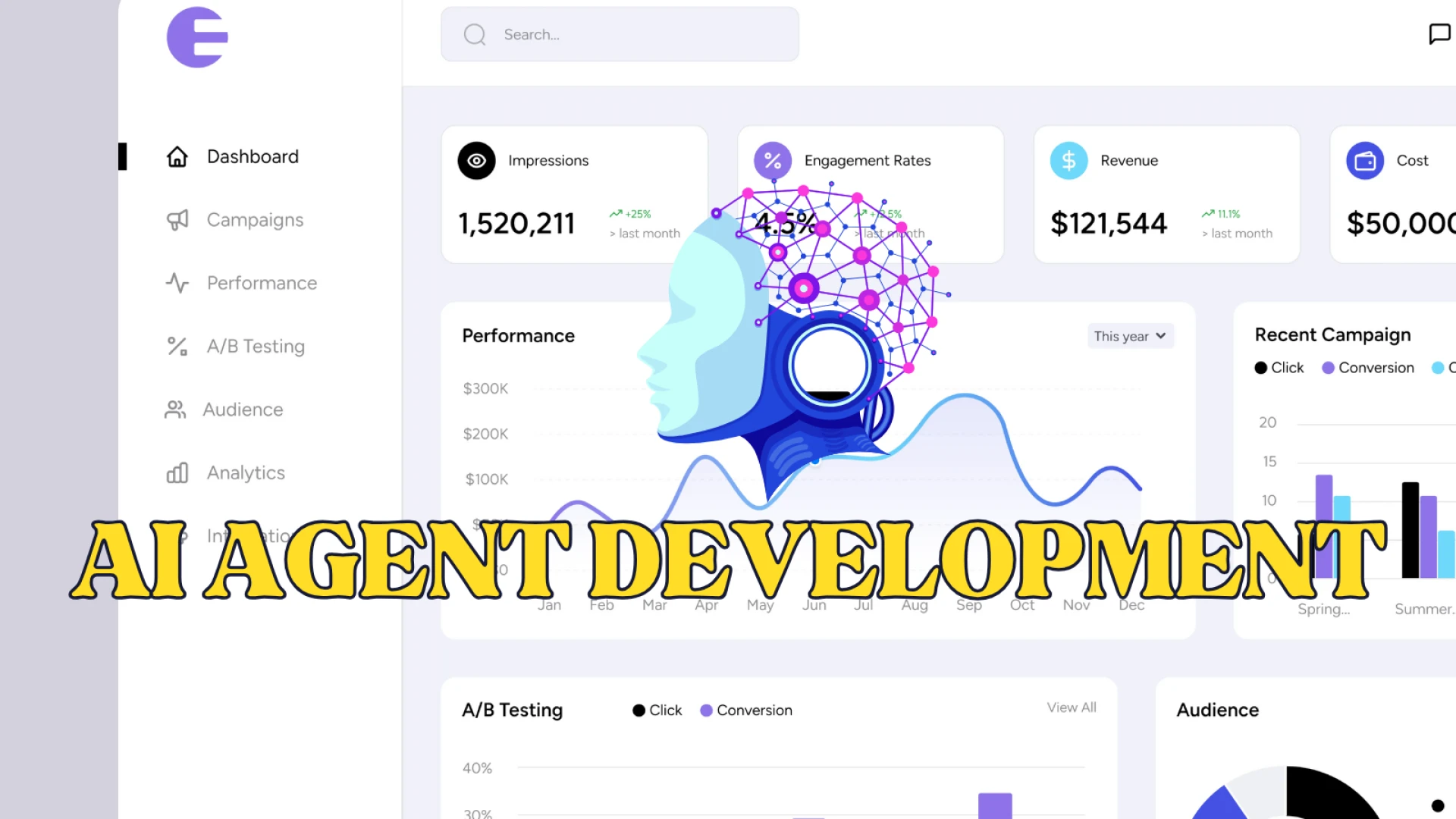

AI is moving beyond simple automation and chat-based interfaces. In 2026, the focus has shifted toward AI agents systems that can reason, plan, take actions, and operate autonomously within defined boundaries. As a result, AI agent development has become a critical area of modern AI engineering.
This article explains what AI agent development really involves, breaking down the architecture, tools, and real-world use cases driving adoption today.
What Is AI Agent Development?
AI agent development is the process of designing and building autonomous or semi-autonomous AI systems that can:
- Understand goals
- Make decisions
- Execute multi-step tasks
- Interact with tools, APIs, and data
- Adapt based on feedback
Unlike traditional AI models that only respond to inputs, AI agents act within environments and manage workflows independently.
How AI Agents Are Different From Traditional AI Systems
Traditional AI systems:
- Respond to a single prompt
- Perform narrow tasks
- Require constant human input
AI agents:
- Maintain context over time
- Plan and execute sequences of actions
- Use external tools and services
- Operate continuously with minimal supervision
This shift from reactive to agentic AI is what makes AI agent development fundamentally different.
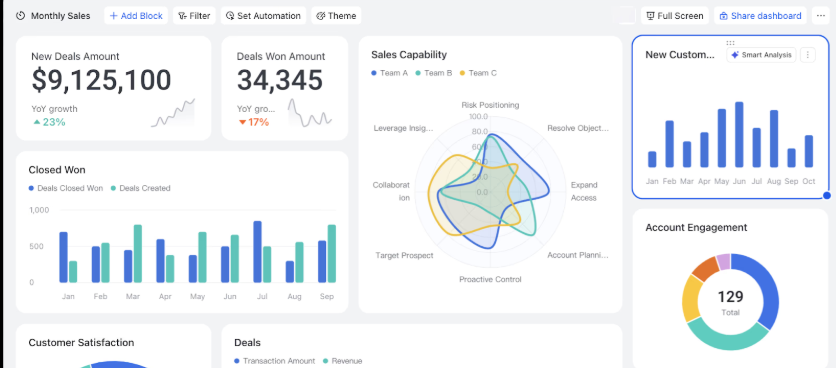
Core Architecture of AI Agent Development
AI agent architecture typically consists of several key layers working together.
1. Perception and Input Layer
This layer gathers information from:
- User input
- Databases and documents
- APIs and system logs
- Real-time signals
It ensures the agent has accurate and relevant context before acting.
2. Reasoning and Decision-Making Layer
At the core of an AI agent is its reasoning engine, often powered by large language models (LLMs).
This layer handles:
- Goal interpretation
- Task decomposition
- Decision-making logic
- Constraint handling
It determines what the agent should do next.
3. Planning and Task Orchestration
AI agents don’t act randomly they plan.
This layer:
- Breaks complex goals into steps
- Chooses execution order
- Adjusts plans based on outcomes
Planning allows agents to handle real-world complexity.
4. Action and Tool Execution Layer
This is where agents interact with the real world by:
- Calling APIs
- Running scripts
- Updating databases
- Sending messages or reports
Well-designed agents use tools safely and predictably.
5. Memory and Knowledge Management
Agents rely on memory to remain effective.
This includes:
- Short-term conversational context
- Long-term knowledge storage
- Retrieval-augmented generation (RAG) systems
Memory helps agents learn, recall, and stay consistent.
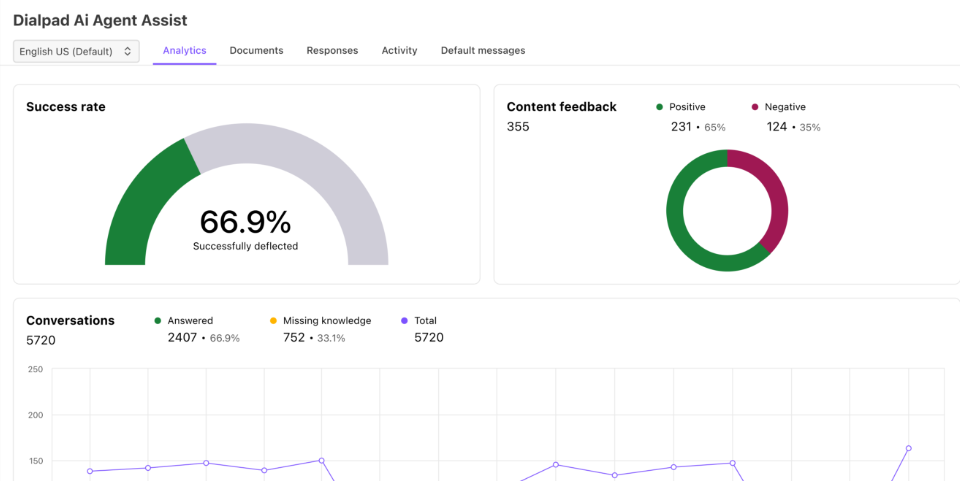
6. Monitoring, Control, and Safety Layer
Production-ready agents require:
- Logging and observability
- Error handling and fallbacks
- Human-in-the-loop controls
- Compliance and auditability
This layer ensures trust, reliability, and accountability.

Tools Commonly Used in AI Agent Development
Modern AI agent development relies on a flexible tool stack rather than a single framework.
LLMs and Foundation Models
These power reasoning, planning, and natural language understanding.
Agent Frameworks
Used to define agent behavior, workflows, and tool usage.
Data and Retrieval Systems
Vector databases and search systems enable contextual grounding and factual accuracy.
Integration and Automation Tools
Agents connect to CRMs, databases, cloud services, and internal tools.
Monitoring and Evaluation Tools
Used to track agent performance, detect failures, and improve reliability.
Real-World Use Cases of AI Agent Development
AI agents are already being deployed across industries.
Customer Support and Operations
Agents handle ticket triage, respond to common issues, and escalate complex cases.
Sales and Marketing Automation
Agents qualify leads, personalize outreach, and analyze campaign performance.
Research and Knowledge Work
AI agents gather information, summarize insights, and assist decision-making.
Software and IT Operations
Agents monitor systems, detect anomalies, and trigger automated responses.
Finance and Reporting
Agents prepare reports, analyze trends, and support compliance workflows.
Best Practices for Building Reliable AI Agents
- Start with narrow, well-defined tasks
- Design clear action boundaries
- Implement monitoring from day one
- Keep humans in critical decision loops
Agents should earn trust gradually.
Final Thoughts
AI agent development represents a major shift in how AI systems are designed and deployed. Instead of isolated models, organizations are building autonomous systems that think, plan, and act.
The most successful AI agents are not the most complex they are the most reliable, well-integrated, and purpose-driven.
As AI continues to evolve, agent-based systems will become foundational to how businesses operate, automate, and scale.
Understanding AI agent development today is the first step toward building the intelligent systems of tomorrow.

























Sign in to leave a comment.