
Introduction to AI Chatbot Development Services
In a world where speed and convenience rule, businesses can no longer afford to ignore the power of AI chatbots. From handling customer inquiries to automating sales processes, AI chatbot development services are transforming the way companies engage with users. But what makes these bots such a game changer? Let’s break it down.
What Are AI Chatbots?
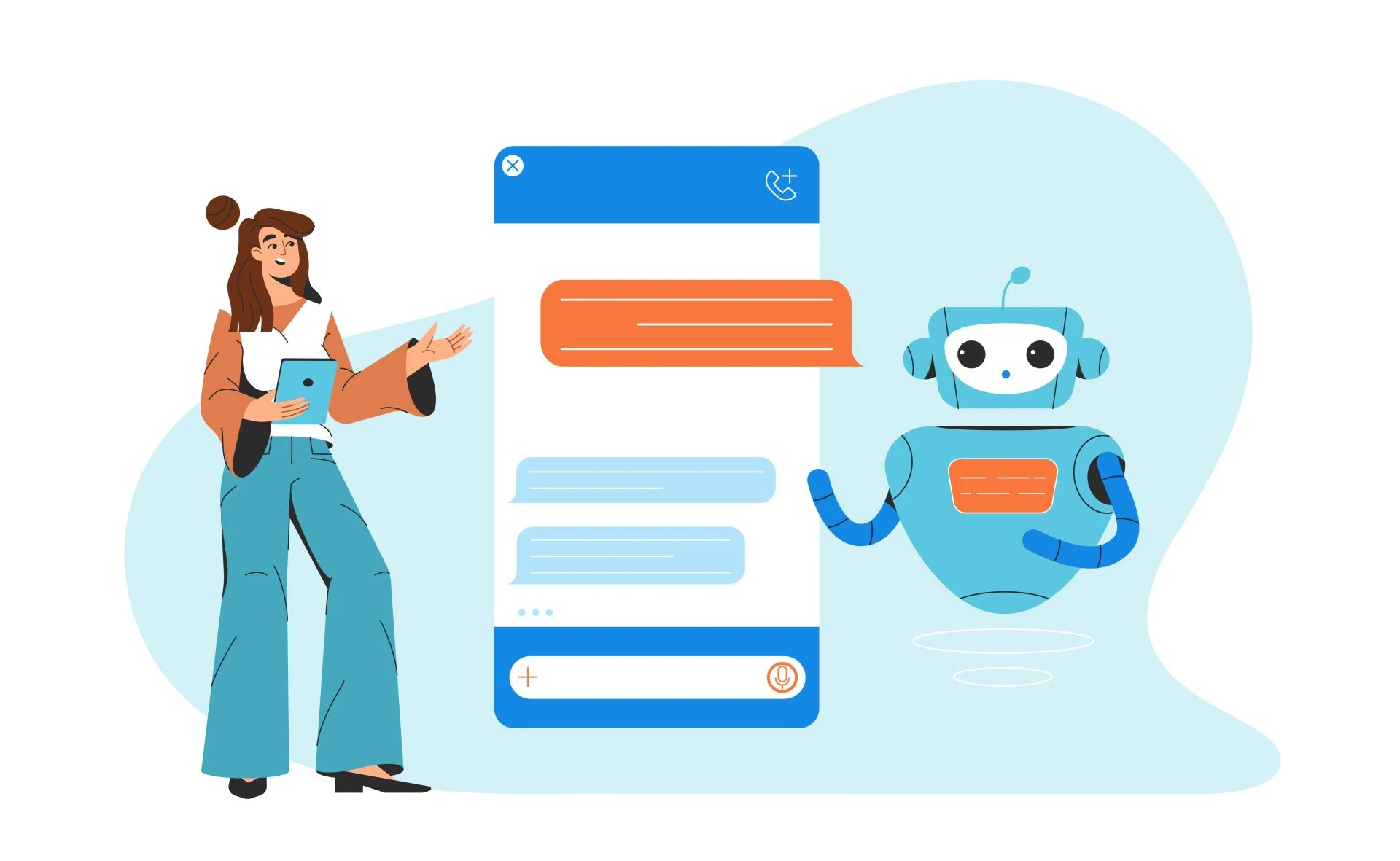
Think of an AI chatbot as your digital concierge. It’s a computer program designed to simulate human conversation using natural language processing (NLP) and machine learning. Unlike old-school bots that respond with scripted messages, AI bots learn and adapt from each interaction, delivering smarter responses over time.
Why Businesses Are Turning to Chatbots
Why? Because time is money. AI chatbots streamline communication, reduce dependency on human agents, and ensure customers get instant responses — anytime, anywhere. With growing user expectations, chatbots help businesses stay ahead of the curve.
Key Benefits of AI Chatbot Development
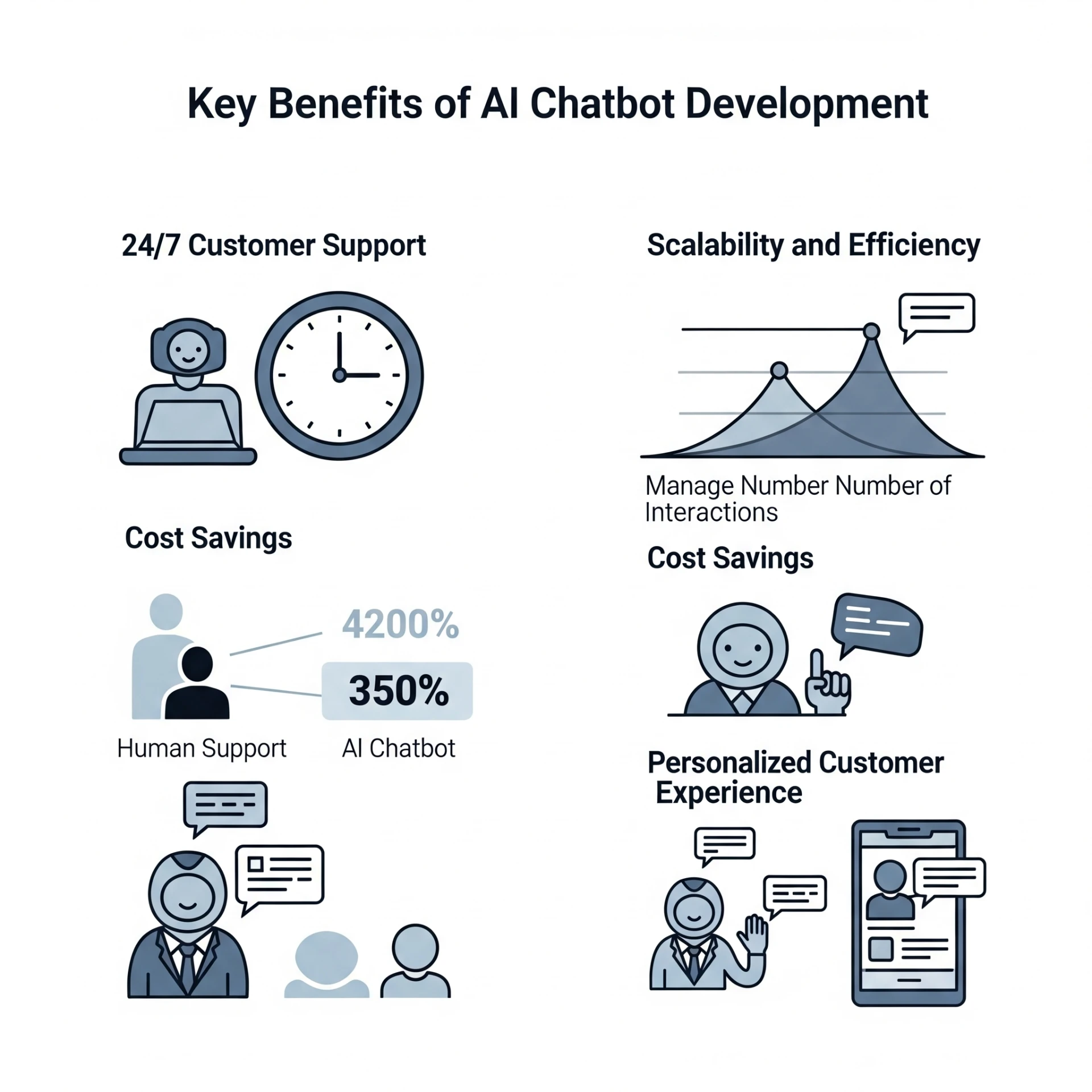
24/7 Customer Support
Chatbots never sleep. Your business remains available to users around the clock, answering queries even when your human team is offline.
Scalability and Efficiency
Handling five customers or five thousand? No problem. Chatbots scale effortlessly without breaking a sweat — or your budget.
Cost Savings
Hiring more staff can burn a hole in your pocket. Chatbots offer a one-time investment with long-term ROI by cutting down on labor costs.
Personalized Customer Experience
AI chatbots analyze user data and behavior to serve tailored responses. That means your customers feel understood, just like they’re talking to a human who knows them.
Types of AI Chatbots
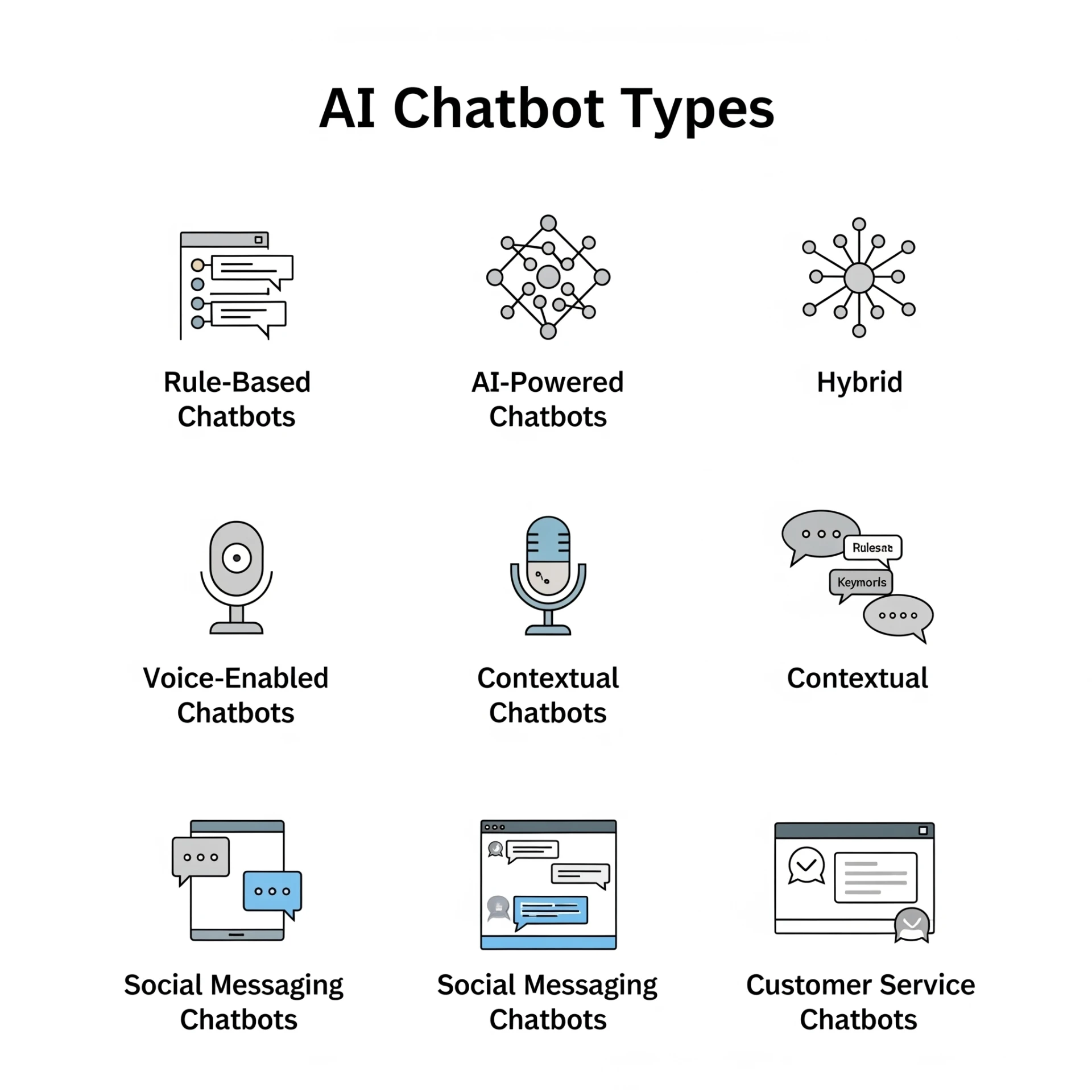
1. Rule-Based Chatbots
These are the most basic types of bots. They follow a predefined set of rules and decision trees to answer queries. They’re ideal for handling simple and repetitive tasks like answering FAQs or guiding users through a step-by-step process.
- Best for: Basic customer support, order tracking, form filling
- Limitations: Can’t handle complex queries or learn from interactions
2. AI-Powered Chatbots
These bots use artificial intelligence and machine learning to understand user intent and context. They can engage in more natural conversations and improve over time by learning from interactions.
- Best for: Dynamic conversations, customer service, lead generation
- Benefits: Learns and adapts, handles a wide range of queries
3. Hybrid Chatbots
A mix of rule-based and AI-powered bots. These chatbots start with predefined scripts but can switch to AI mode when needed. They offer the best of both worlds — structure and intelligence.
- Best for: Businesses needing control and flexibility
- Benefits: Reliable, scalable, and able to handle both simple and complex tasks
4. Voice-Enabled Chatbots
These use voice recognition and text-to-speech technology to interact through spoken language. They’re used in smart assistants like Siri, Alexa, and Google Assistant.
- Best for: Smart devices, accessibility features, voice search
- Benefits: Hands-free convenience and broader user accessibility
5. Contextual Chatbots
These advanced bots remember past interactions and use context to improve the flow of conversation. They’re trained using deep learning and NLP to offer a more human-like experience.
- Best for: Complex support systems, personalized services
- Benefits: Learns from history and delivers smarter, more tailored responses
6. Social Messaging Chatbots
Designed for platforms like WhatsApp, Facebook Messenger, and Telegram, these bots engage users where they already spend most of their time online.
- Best for: Social media engagement, promotions, customer service
- Benefits: Easy deployment and high engagement rates
7. Customer Service Chatbots
Specialized in handling support tickets, returns, queries, and troubleshooting. These bots are trained specifically for help desk use.
- Best for: E-commerce, SaaS, telecom
- Benefits: Reduces workload on support teams, improves resolution time
Popular Use Cases of AI Chatbots
E-commerce and Retail
AI chatbots can act as virtual shopping assistants, suggesting products, tracking orders, processing returns, and even recovering abandoned carts.
Healthcare
From appointment scheduling to symptom checking, AI bots improve patient experiences and reduce admin load on healthcare staff.
Travel and Hospitality
Need to book a flight, check hotel availability, or get local recommendations? Chatbots handle it all, making travel hassle-free.
Education
AI bots can answer student queries, provide course recommendations, and even assist with e-learning modules.
Finance and Banking
Chatbots assist with account queries, loan applications, fraud alerts, and more, ensuring secure and efficient banking experiences.
Features to Look for in Chatbot Development Services
Natural Language Processing (NLP)
Without NLP, your chatbot is just a glorified FAQ. NLP ensures your bot understands slang, context, and tone for smooth interactions.
Multilingual Support
If your audience is global, your chatbot should be too. Multilingual bots expand your reach and enhance customer experience.
Integration Capabilities
A powerful chatbot must integrate with CRMs, payment gateways, e-commerce platforms, and more to deliver a seamless experience.
Analytics and Reporting
Want to improve? Then you need data. Chatbots should offer insights on user behavior, engagement metrics, and performance analysis.
The AI Chatbot Development Process
Requirement Analysis
Start with what you need — what tasks should the bot perform, who will use it, and where it’ll live (website, app, social media).
Chatbot Design and UX Planning
Good design equals good conversations. Developers create flows and interactions that feel intuitive and natural for users.
Development and Training
Using AI models and training data, the bot is coded and trained to understand and respond accurately.
Testing and Deployment
Before going live, bots undergo rigorous testing, ensuring they handle edge cases, errors, and maintain user satisfaction.
Maintenance and Updates
AI chatbots need tuning, too. Post-launch, they’re monitored and updated regularly to improve functionality and relevance.
Choosing the Right Chatbot Development Partner
Experience and Expertise
Check if they’ve built similar bots before. A proven track record speaks volumes.
Portfolio and Client Reviews
Look through past work and client feedback to gauge reliability and quality.
Post-Launch Support
Tech hiccups are normal. Ensure your partner offers maintenance, upgrades, and continuous support.
Future of AI Chatbots
Integration with Metaverse and AR
In the future, AI chatbots might be your guides inside virtual reality malls, games, or virtual customer service centers.
Advanced Emotional Intelligence
AI is learning emotions, too. Emotionally intelligent bots will detect mood from text and respond with empathy.
Hyper-Personalization Trends
Soon, bots will know your preferences, shopping habits, and even tone, offering experiences that feel tailor-made.
Conclusion
AI chatbot development services are not just a tech trend, they’re a necessity in today’s fast-paced, customer-driven world. Whether you run a startup or a multinational corporation, embracing AI chatbots can enhance customer satisfaction, boost efficiency, and future-proof your business. As the technology evolves, so does the opportunity to deliver brilliant, human-like interactions that resonate with your audience.
FAQs
Q1: What industries benefit most from AI chatbots?
E-commerce, healthcare, education, banking, and travel industries see the biggest impact due to high customer interaction volume.
Q2: How long does it take to develop an AI chatbot?
Depending on complexity, it can take anywhere from 2 weeks for simple bots to 3–6 months for advanced AI-powered systems.
Q3: What is the cost of AI chatbot development?
Basic bots may cost $1,000–$5,000. AI chatbots with advanced features can go beyond $20,000, depending on requirements.
Q4: Can AI chatbots replace human customer support?
They can handle most routine queries, but human support is still needed for complex and emotional interactions.
Q5: How do I choose between a rule-based and an AI-powered chatbot?
Choose rule-based for simple tasks. Opt for AI-powered when you need dynamic, intelligent, and conversational capabilities.
























Sign in to leave a comment.