
AI in robotics has transformed numerous industries by introducing smart, automated systems that can operate efficiently in complex environments. Integrating artificial intelligence (AI) into robotics has not only enhanced the capabilities of machines but also opened new frontiers in automation, leading to innovations that improve productivity, precision, and user experience. This comprehensive guide will explore how AI and machine learning integrate with robotics to create intelligent, autonomous systems that benefit various sectors, including healthcare, manufacturing, and agriculture.
What is AI in Robotics?
AI in robotics refers to using artificial intelligence technologies to develop systems that can perform tasks autonomously or semi-autonomously. These systems leverage AI algorithms, machine learning models, and sensory inputs to perceive, analyze, and act on data, making informed decisions and adapting to new situations without human intervention.
Are Robotics and Artificial Intelligence the Same Thing?
While robotics and artificial intelligence are closely related, they are not the same. Robotics is a branch of technology focused on building robots that can physically interact with the world. AI, on the other hand, involves the development of intelligent systems capable of decision-making, problem-solving, and learning. The integration of AI into robotics gives rise to intelligent robots capable of perceiving their environment, making decisions, and performing actions more effectively.
The Evolution of Robotics with AI
The evolution of robotics began with basic machines designed for repetitive tasks, primarily in industrial settings. Over time, the integration of AI introduced advanced capabilities, enabling robots to analyze data, learn from experiences, and adapt to new environments. This shift has transformed robotics from simple mechanical devices into intelligent systems capable of complex decision-making.
Early Robotics
The first generation of robots was limited to performing repetitive tasks with high accuracy but lacked flexibility and intelligence. These robots were primarily used in industrial settings for processes such as assembly line production, where precision and speed were critical but adaptability was not required.
Integration of AI Technologies
The integration of AI technologies into robotics and automation has transformed these machines into dynamic systems capable of complex decision-making and problem-solving. By incorporating machine learning, computer vision, and natural language processing, modern robots can operate in diverse environments and respond to changing circumstances.
How AI Enhances Robotics Capabilities
AI enhances robotics by integrating machine learning, computer vision, and natural language processing. These technologies allow robots to recognize patterns, interact with their surroundings, and understand human commands. This advancement equips robots to perform a wide range of tasks autonomously, increasing their adaptability and efficiency in various settings.
Machine Learning
Machine learning in robotics enables robots to improve their performance over time through data-driven learning. Algorithms allow robots to recognize patterns, predict outcomes, and optimize their operations without needing explicit programming for every task. For example, machine learning helps autonomous robots in warehouses learn optimal navigation routes for efficient material handling.
Computer Vision
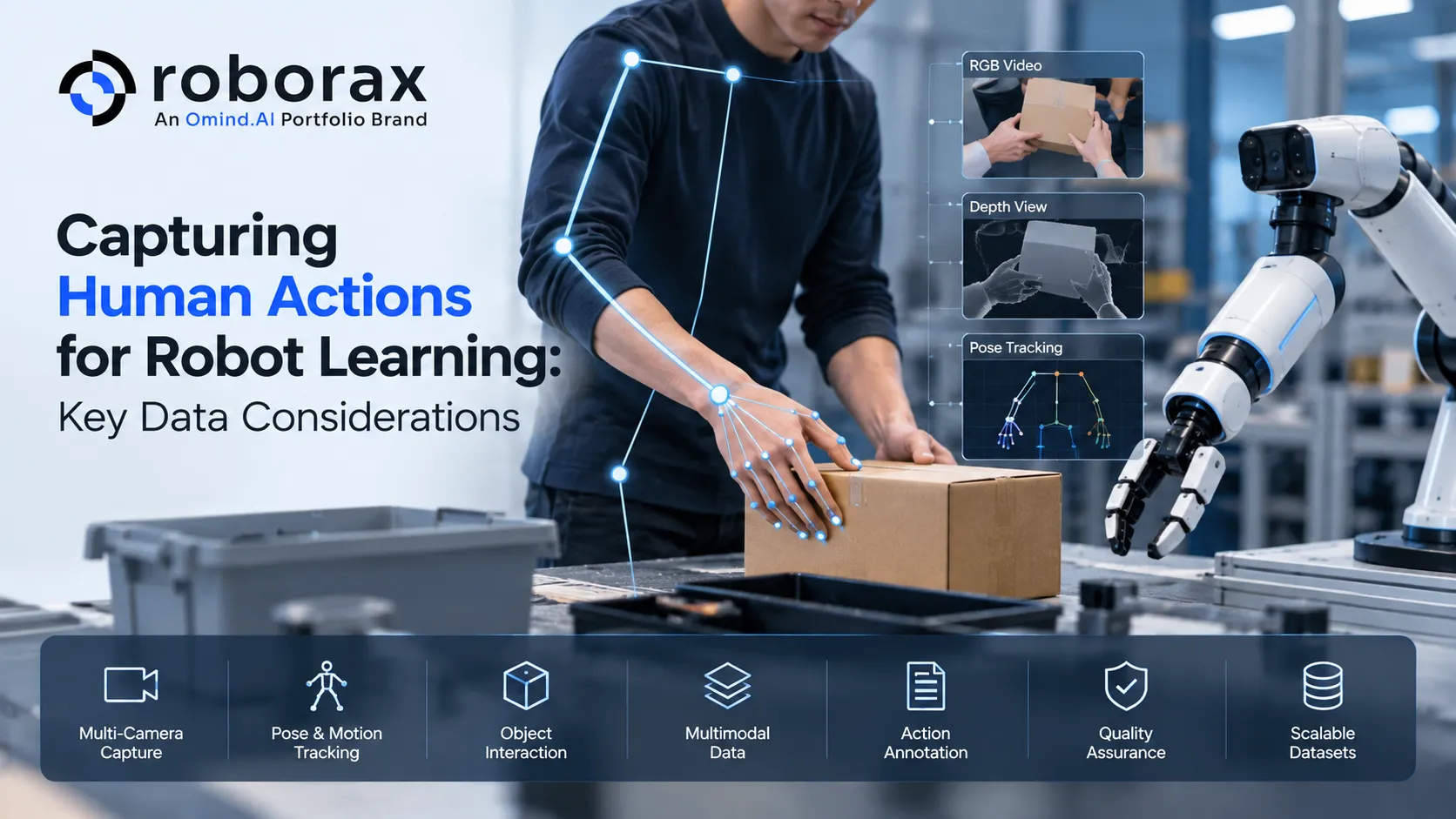
Computer vision allows robots to interpret and understand visual data from the world around them. By analyzing images and videos, robots can identify objects, detect movement, and interact safely with their environment. This capability is essential for applications such as autonomous vehicles and surveillance systems.
Natural Language Processing
Natural language processing (NLP) equips robots with the ability to understand and communicate using human language. This technology is crucial for customer service robots that need to respond to user inquiries and instructions in a conversational manner. NLP enables robots to process voice commands and provide feedback, enhancing their utility in service and support roles.
Advantages of AI in Robotics
AI in robotics offers significant benefits, such as increased operational efficiency, cost savings through automation, and enhanced safety by performing dangerous tasks. The integration of AI leads to consistent output and reduces human error, making operations more reliable and productive.
Increased Efficiency
AI-driven robots can work continuously without breaks, significantly enhancing production rates. They can execute tasks with consistent accuracy and reduce the chances of human error, which is particularly beneficial in fields like manufacturing and healthcare.
Cost Savings
While the initial investment in AI-powered robotics can be high, the long-term savings in labor costs and increased productivity make it a cost-effective solution. Automation also reduces material waste and the cost associated with human errors.
Improved Safety Standards
Robots can take over dangerous tasks, such as handling hazardous materials or working in high-risk environments. This reduces the risk of workplace injuries and enhances overall safety standards in industries such as construction and chemical manufacturing.
Difference Between Robotics and Artificial Intelligence
Robotics and artificial intelligence are interconnected but distinct fields. Robotics involves designing, constructing, and operating machines that can perform physical tasks. AI focuses on creating systems that can simulate human intelligence, including learning, decision-making, and problem-solving. When combined, these fields create intelligent robots capable of interacting autonomously with their environment.
Below is a comparison table highlighting the key differences between robotics and AI:
Robotics and Artificial Intelligence (AI) differ in their primary functions and components. Robotics focuses on physical task execution, relying on mechanical systems, sensors, and actuators, and typically requires human programming and maintenance. It is used in applications such as manufacturing, medical devices, and drones. In contrast, AI handles cognitive tasks, relying on algorithms, neural networks, and data processing. AI adapts through learning and experience, making it highly flexible and capable of improving with more data. It is primarily used in virtual assistants, data analysis, and decision support, and can adjust and learn independently. While robotics can function without AI for basic tasks, AI often requires hardware like robots to perform physical interactions and is heavily reliant on digital data and analytics.
Key Applications of AI in Robotics
AI in robotics has a wide array of applications, including manufacturing, where robots streamline production; healthcare, where they assist in surgeries and patient care; and autonomous vehicles, which rely on AI for safe navigation. Additionally, AI-powered robots play crucial roles in agriculture and customer service, boosting productivity and user experience.
AI in Manufacturing
Robotics technology powered by AI is a key driver of smart manufacturing. Robots equipped with AI can work 24/7, performing tasks like assembling, welding, and quality inspection with precision. Machine learning algorithms help these robots adapt to variations in production lines, reducing downtime and enhancing productivity.
Healthcare Robotics
In healthcare, AI-powered robotics supports surgeons during complex procedures, assists in patient rehabilitation, and provides care for the elderly. These robots use computer vision and machine learning to interpret medical data, making surgeries less invasive and rehabilitation more efficient.
AI in Autonomous Vehicles
Autonomous robotics systems in self-driving vehicles leverage AI for navigation, obstacle detection, and decision-making. These vehicles combine computer vision, machine learning, and sensor data to move safely through dynamic traffic environments, ensuring passenger safety and reducing the risk of human error.
Agricultural Robotics
Smart robotics solutions in agriculture include autonomous tractors, drones, and robotic harvesters. These machines use AI to monitor crop health, identify optimal harvest times, and perform precise planting and watering, boosting productivity and resource management.
Retail and Customer Service
Retail stores increasingly deploy intelligent robots to assist customers, manage inventory, and streamline the shopping experience. These robots can guide customers, answer queries using NLP, and conduct stock checks, helping retailers enhance customer satisfaction and operational efficiency.
Challenges and Limitations
Despite its advantages, AI in robotics faces challenges like high development costs and technical complexities in implementation. Ethical and privacy concerns also arise, especially with data collection and usage. Ensuring the seamless function of AI-driven robots in varied environments requires significant testing and expertise.
High Development Costs
Developing AI in robotics involves significant research, development, and testing. The cost of acquiring the necessary hardware, software, and expertise can be prohibitive for smaller enterprises.
Technical Complexities
Robotics and machine learning integration can be technically complex, requiring advanced programming skills and a robust understanding of machine behavior. Ensuring that robots function smoothly in real-world scenarios demands extensive testing and fine-tuning.
Ethical and Privacy Concerns
AI-driven robots often rely on vast amounts of data, which raises concerns about data privacy and ethical use. For example, in surveillance applications, balancing safety with privacy is a significant challenge that industries must address.
Future Trends in AI Robotics
The future of AI robotics includes collaborative robots that work safely alongside humans, improved AI algorithms for better decision-making, and more sophisticated mobility solutions. Emerging trends also focus on enhancing human-robot interaction and expanding robots’ ability to navigate and operate in diverse environments.
- Collaborative robots (cobots) that work alongside humans.
- AI-driven decision-making that enables real-time adjustments in complex tasks.
- Advanced mobility solutions for robots, enabling them to navigate more challenging terrains.
Why Choose BigDataCentric for AI Robotics Solutions
At BigDataCentric, we specialize in creating custom AI-powered robotics solutions tailored to meet the unique needs of our clients. Our team of experts in robotics technology and AI integration ensures that your operations are optimized for efficiency, safety, and innovation. Partnering with us means access to cutting-edge technologies and a commitment to quality and performance.
Conclusion
The integration of AI in robotics is driving a new era of automation and intelligent systems capable of transforming industries. From enhancing efficiency in manufacturing to revolutionizing healthcare and agriculture, AI is the force behind a smarter, more connected world. Despite challenges like high costs and ethical considerations, the future of AI in robotics is bright, with boundless opportunities for growth and innovation.
Source URL: BigDataCentric




























Sign in to leave a comment.