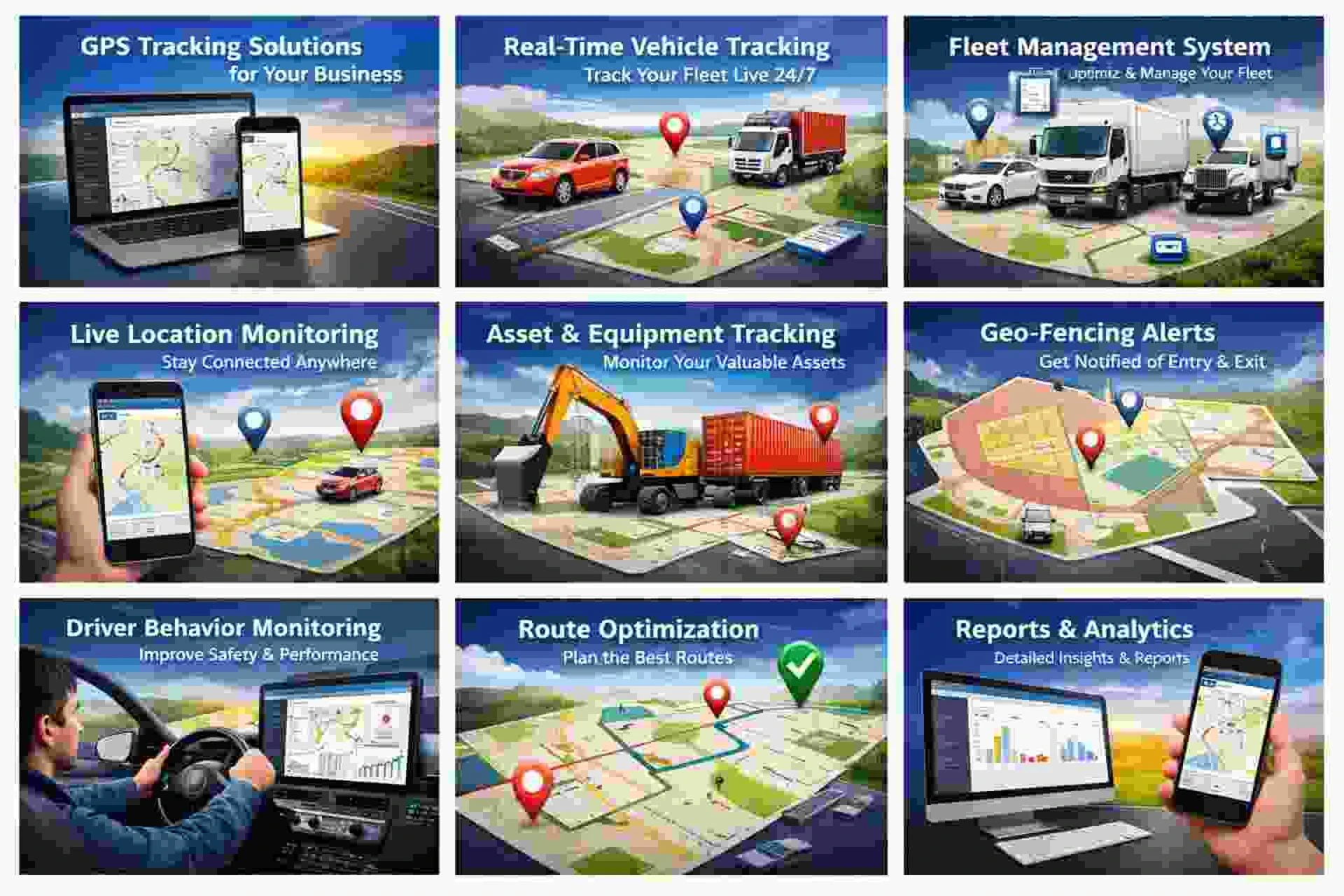
The transportation and logistics industry is rapidly evolving, and traditional tracking methods are no longer enough. Businesses today require intelligent systems that do more than just show vehicle locations. AI-powered GPS tracking systems are transforming fleet management by combining real-time tracking with advanced analytics, automation, and predictive insights.
If your business relies on vehicles, assets, or field teams, adopting AI-integrated GPS tracking can dramatically improve efficiency, safety, and profitability.
What is an AI-Powered GPS Tracking System?
An AI-powered GPS tracking system combines standard GPS tracking technology with artificial intelligence and machine learning algorithms. While traditional systems provide location data, AI-enhanced systems analyze patterns, predict risks, and automate decision-making processes.
In simple terms:
- GPS tells you where your vehicle is.
- AI tells you what is happening and what will happen next.
How AI Enhances GPS Tracking
AI works by analyzing large volumes of fleet data collected from:
- Vehicle movement
- Driver behavior
- Fuel usage
- Idle time
- Traffic conditions
- Maintenance records
Over time, the system identifies patterns and provides actionable insights to improve performance.
Key Features of AI-Based GPS Tracking Systems
1. Predictive Maintenance
Instead of waiting for breakdowns, AI analyzes engine data, mileage, and driving patterns to predict when maintenance is required. This reduces downtime and prevents costly repairs.
2. Intelligent Route Optimization
Traditional route planning considers distance. AI systems consider:
- Real-time traffic
- Road conditions
- Historical congestion patterns
- Delivery priorities
This results in faster deliveries and reduced fuel consumption.
3. Driver Behavior Scoring
AI evaluates driving habits such as:
- Harsh braking
- Sudden acceleration
- Over-speeding
- Sharp cornering
It generates safety scores and suggests improvements, reducing accident risks.
4. Fuel Efficiency Analysis
AI detects unusual fuel consumption patterns and identifies:
- Fuel theft
- Excessive idling
- Inefficient driving
This helps businesses significantly reduce fuel expenses.
5. Automated Alerts & Decision Support
Instead of manually reviewing reports, AI systems automatically send alerts and recommend corrective actions.
Benefits for Businesses
Reduced Operational Costs
AI-based route optimization and fuel monitoring can reduce operational costs by 15–30%.
Increased Productivity
Managers spend less time analyzing reports and more time making strategic decisions.
Enhanced Safety
Driver monitoring reduces accidents, lowering insurance and repair costs.
Better Customer Experience
AI improves delivery accuracy and reduces delays, increasing customer satisfaction.
Industries That Benefit Most
AI-powered GPS tracking systems are especially useful for:
- Logistics and delivery companies
- Construction fleets
- Oil & gas transportation
- Public transport services
- E-commerce businesses
- Cold chain logistics
Any business managing multiple vehicles can benefit from AI-driven tracking.
Real-World Example
Imagine a logistics company managing 100 vehicles.
Without AI:
- Delays are identified after they occur.
- Maintenance happens only after breakdowns.
- Fuel theft may go unnoticed for weeks.
With AI-powered GPS tracking:
- The system predicts vehicle failure before it happens.
- Routes automatically adjust based on live traffic.
- Fuel discrepancies trigger instant alerts.
- Drivers receive safety improvement recommendations.
The result? Higher efficiency, lower costs, and improved service quality.
AI and the Future of Smart Fleet Management
As technology advances, AI-powered GPS systems will become even more intelligent with:
- Integration with IoT sensors
- Autonomous vehicle compatibility
- Real-time weather-based route planning
- Automated compliance reporting
- Carbon emission monitoring
Businesses that adopt AI-driven fleet solutions today position themselves ahead of competitors tomorrow.
Is AI-Based GPS Tracking Expensive?
Many businesses assume AI systems are costly. However, modern cloud-based solutions are scalable and affordable. Small and medium-sized businesses can start with basic AI features and upgrade as their operations grow.
Considering the savings in fuel, maintenance, and operational efficiency, the return on investment is often achieved within months.
How to Choose the Right AI GPS Tracking System
When selecting a solution, look for:
- Real-time tracking capabilities
- AI-driven analytics dashboard
- Predictive maintenance tools
- Fuel monitoring integration
- Mobile app accessibility
- Reliable customer support
Choosing a scalable platform ensures long-term value.
Conclusion
AI-powered GPS tracking system represent the next generation of fleet management technology. By combining real-time tracking with predictive intelligence, businesses gain deeper insights, reduce costs, enhance safety, and improve overall operational efficiency.
In today’s competitive environment, simply tracking vehicles is not enough. Intelligent tracking powered by AI is the future of transportation management.


Sign in to leave a comment.