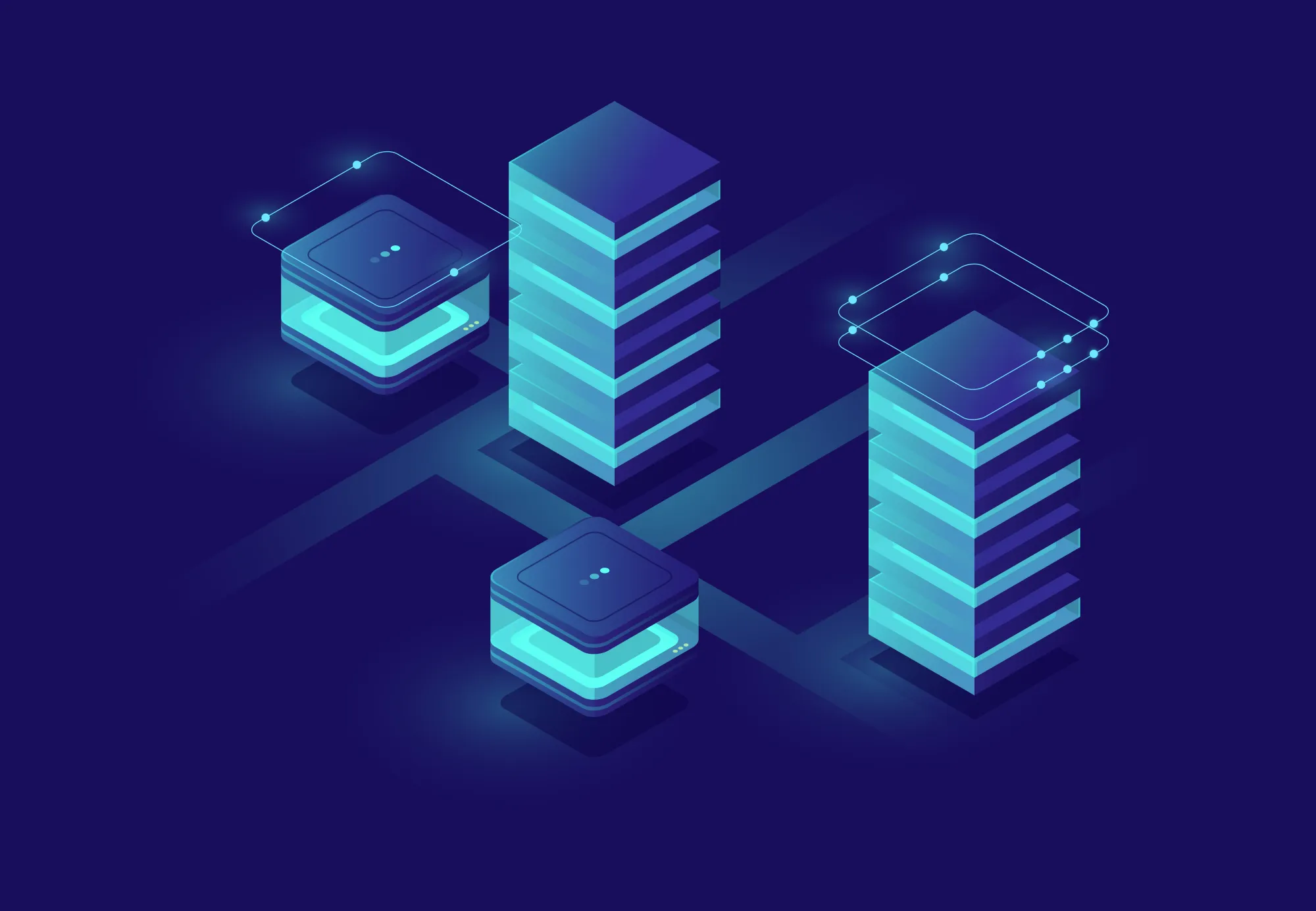

Artificial intelligence is reshaping how organizations make decisions, automate processes, and create customer value. However, the success of AI initiatives depends on more than advanced algorithms. It requires a strong data foundation that can deliver reliable, high-quality information at scale.
This is where AI-ready cloud data architecture becomes essential. It enables organizations to unify data from multiple sources, process information in real time, and provide secure access to trusted data for analytics and AI applications. Instead of relying on disconnected systems, businesses can build a modern architecture that supports innovation while maintaining governance and compliance.
In this article, we'll examine what AI-ready cloud data architecture is, why it matters, and the key components enterprises need to support intelligent business operations.
What Is AI-Ready Cloud Data Architecture?
AI-ready cloud data architecture is a modern framework that organizes how data is collected, stored, integrated, managed, and delivered across cloud environments to support artificial intelligence and advanced analytics.
Unlike traditional architectures designed mainly for reporting, AI-ready environments are built to handle structured, semi-structured, and unstructured data while supporting both batch and real-time processing. They also incorporate governance, metadata management, and security to ensure AI models receive accurate and trustworthy information.
The goal is simple: provide the right data to the right AI systems at the right time.
Why Traditional Data Architectures Fall Short
Many organizations still operate on legacy data warehouses or isolated databases that were built for business intelligence rather than AI.
Common challenges include:
- Data silos across departments
- Slow batch processing
- Limited visibility into data lineage
- Inconsistent data quality
- Difficulty integrating cloud and on-premises systems
- Poor scalability for growing AI workloads
These limitations reduce the effectiveness of AI models and make it difficult to scale AI initiatives across the enterprise.
Key Components of an AI-Ready Cloud Data Architecture
A successful architecture combines multiple technologies and best practices that work together to support modern AI applications.
Unified Data Integration
Enterprise data often resides across CRM platforms, ERP systems, IoT devices, cloud applications, and legacy databases.
A unified integration layer brings these sources together into a single environment where AI applications can access consistent and complete datasets.
This eliminates duplication, improves collaboration, and provides a single source of truth.
Scalable Cloud Storage
AI workloads generate enormous volumes of data.
Cloud-native storage solutions allow organizations to scale on demand without investing heavily in physical infrastructure. Modern data lakehouse architectures also support analytics, machine learning, and business intelligence from the same platform.
This flexibility allows organizations to grow their AI capabilities without rebuilding their infrastructure.
Real-Time Data Pipelines
Many AI applications depend on live information.
Whether detecting fraud, monitoring equipment, or personalizing customer experiences, organizations need continuous data ingestion and processing instead of overnight batch updates.
Real-time pipelines ensure AI models always work with the latest available data.
Metadata Management
Metadata provides information about the data itself, including its origin, quality, ownership, and transformations.
Strong metadata management improves searchability, enables automation, and helps teams understand how datasets are being used throughout the organization.
It also simplifies governance and regulatory compliance.
Data Governance and Security
AI systems require trusted data.
Organizations must establish governance policies that define data ownership, access permissions, privacy controls, and compliance requirements.
Security measures such as encryption, identity management, and continuous monitoring protect sensitive business information while supporting regulatory obligations.
Business Benefits of AI-Ready Cloud Data Architecture
Organizations that invest in AI-ready cloud data architecture gain several competitive advantages.
Faster AI Deployment
Data scientists spend less time preparing data and more time developing models because reliable datasets are readily available.
Improved Decision Making
Integrated data provides a comprehensive view of business operations, allowing leaders to make faster and more informed decisions supported by AI insights.
Better Operational Efficiency
Automation reduces manual data preparation, eliminates redundant processes, and improves collaboration between IT, analytics, and business teams.
Enhanced Scalability
Cloud infrastructure allows organizations to support increasing data volumes, additional AI models, and expanding business operations without major infrastructure changes.
Stronger Compliance
Built-in governance, audit trails, and lineage tracking help organizations maintain compliance while reducing operational risk.
Best Practices for Building an AI-Ready Cloud Data Architecture
Organizations should follow a structured approach when modernizing their data environments.
Start by assessing your current data landscape to identify integration gaps, legacy systems, and data quality issues.
Develop a unified data strategy that supports enterprise-wide access while maintaining appropriate security controls.
Implement automated data quality monitoring to identify inconsistencies before they impact AI models.
Adopt cloud-native technologies that support elastic scaling and high availability.
Finally, establish governance frameworks that define ownership, metadata standards, and lifecycle management across all enterprise data assets.
Common Mistakes to Avoid
Many AI projects struggle because organizations focus primarily on AI tools instead of the underlying data foundation.
Common mistakes include:
- Migrating poor-quality data into cloud platforms
- Ignoring metadata and lineage management
- Building disconnected data pipelines
- Delaying governance until after deployment
- Creating separate environments for analytics and AI instead of using a unified platform
Avoiding these issues significantly improves long-term AI success.
The Future of AI-Ready Cloud Data Architecture
As enterprises continue adopting generative AI, autonomous systems, and intelligent automation, data architectures will become increasingly dynamic.
Future platforms will rely more heavily on automation, intelligent metadata management, data fabric technologies, and AI-assisted governance to simplify enterprise data management.
Organizations that invest early in modern cloud data architectures will be better positioned to adopt emerging AI capabilities while maintaining security, compliance, and operational efficiency.
Final Thoughts
Artificial intelligence can only be as effective as the data that powers it. Organizations seeking to scale AI successfully need more than cloud migration or isolated AI tools. They need an integrated foundation that delivers reliable, secure, and accessible data across the enterprise.
An AI-ready cloud data architecture enables businesses to modernize their data ecosystem, improve decision making, strengthen governance, and support AI innovation at scale. By investing in the right architecture today, enterprises can build a flexible foundation that supports both current initiatives and future technological advancements.
































Sign in to leave a comment.