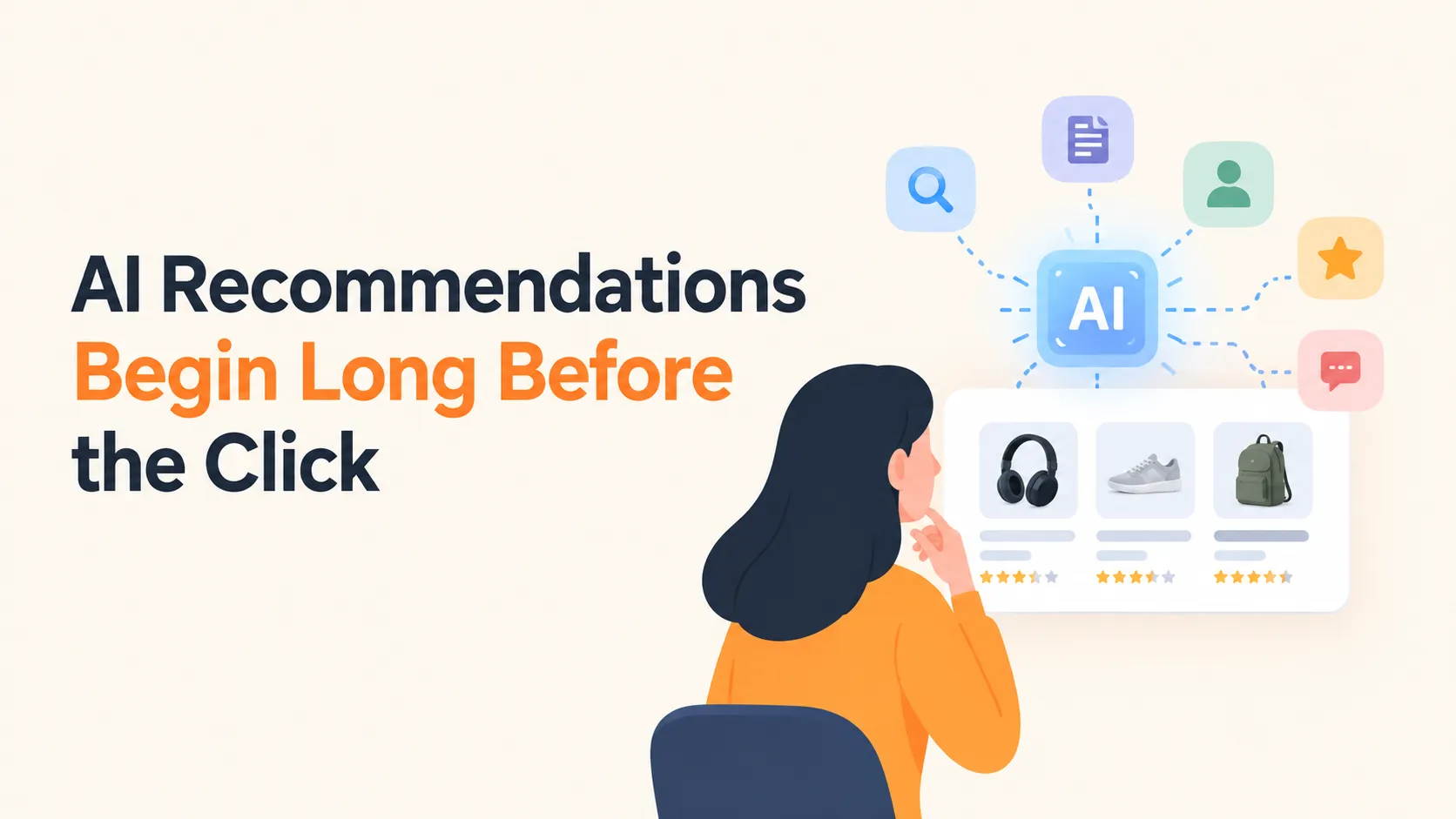

I opened a shopping app the other day, killing time in a waiting room, and within about ten seconds it had already surfaced a jacket I'd been half-thinking about buying. Not something similar. That exact jacket.
It's a little unsettling, if you sit with it. But it's also not magic. And it's definitely not new — it's just gotten a lot better at hiding its tracks.
Here's the thing most people get wrong about recommendation engines: they assume the algorithm kicks in once you click something. Click a product, get shown similar products. Watch a video, get shown similar videos. Simple cause and effect.
That's part of the story. It's just not where the story starts.
The Click Is the Last Step, Not the First
By the time a recommendation shows up on your screen, a long chain of quieter decisions has already happened. What data even gets collected. Which signals get weighted more heavily. How long you hovered over something before scrolling past it. What time of day you tend to be active. Whether you're on your phone in bed or on a laptop at your desk.
Honestly, what you didn't click often tells the system more than what you did.
So the click you make? It's less the beginning of anything and more a confirmation — the system guessed, and you just proved it right.
Your Behavior Gets Read Before You've Made Up Your Mind
This is the part I find genuinely interesting. These systems aren't waiting around for you to decide what you want. They're picking up on patterns before you've fully formed the intent yourself.
Scroll speed. How long you pause on something. Whether you come back to a page a second or third time. Whether you abandon a cart at checkout or right before it. How you phrase a search. It all gets logged, quietly, and fed into a model that's constantly revising its guess about who you are and what you'll do next.
None of this is sinister, exactly. It's just recommendation systems doing what they've always done, only faster and with a lot more data than before.
Why This Actually Matters If You're Building Something
If you run a product, a store, or a content platform, this should change how you think about personalization.
Waiting for someone to click before you start learning about them means you're already late. The real opportunity is earlier — in how people move through onboarding, what they hesitate on, what they abandon halfway through.
A lot of companies pour their energy into optimizing what happens after the click: cleaner product pages, smoother checkout. That's fine, but it's the smallest slice of the funnel. The bigger wins are upstream, in understanding someone before they've consciously decided anything at all.
And Now There's Another Layer: Agentic Commerce
This gets more interesting as AI agents start shopping and making decisions on people's behalf. When an agent — not a human — is doing the browsing, comparing, and buying, the old signals don't tell the full story anymore.
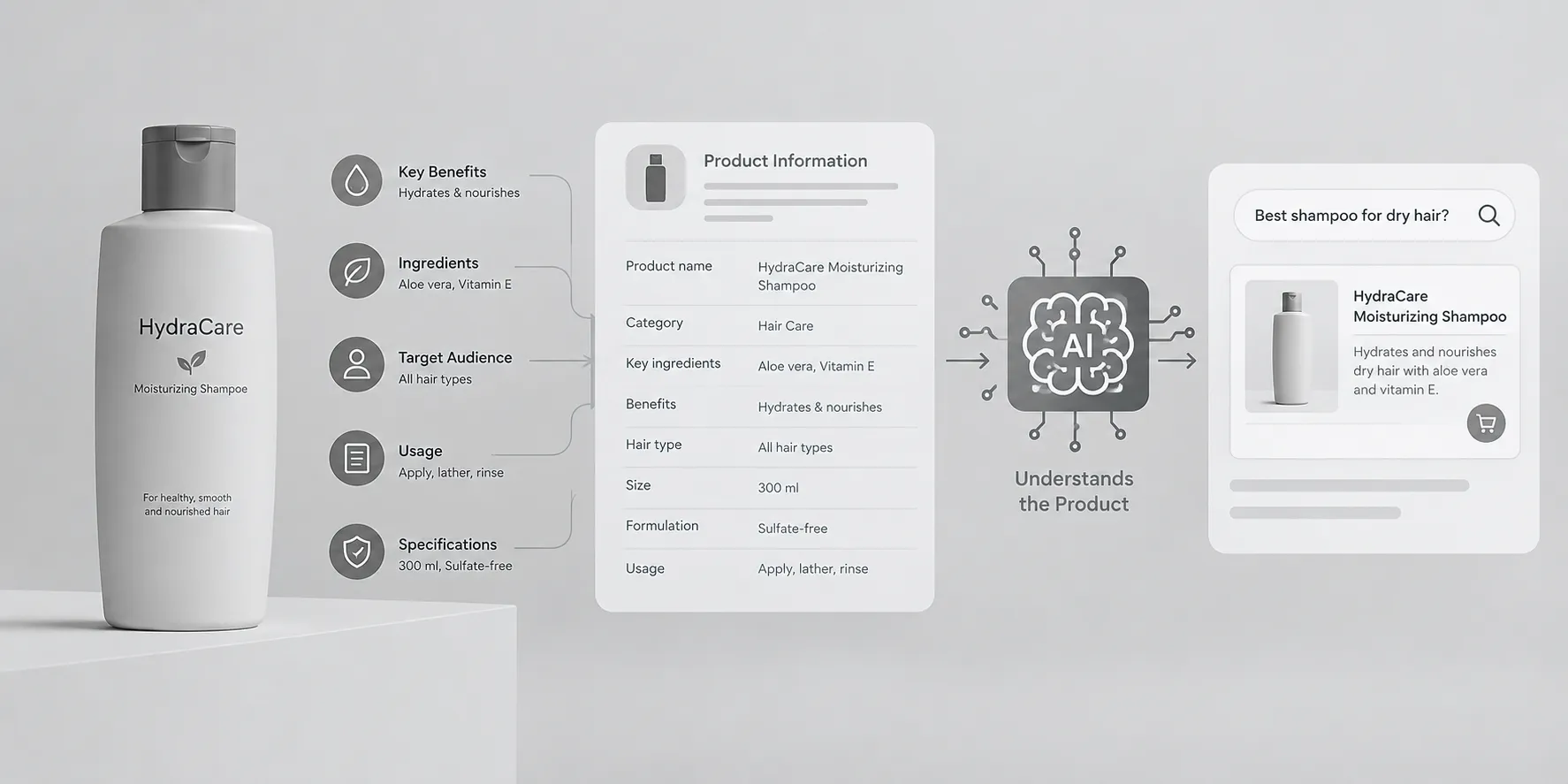
That's where something like an agentic commerce score starts to matter: a way of measuring how well a product, listing, or brand is actually set up to be understood, evaluated, and chosen by an AI agent, not just a person scrolling with a thumb. Clear structured data, consistent pricing, honest specs, fast and predictable checkout flows — the stuff agents can parse cleanly.
It's the same principle as before, just one step removed. The recommendation still starts long before the click. It's just that, increasingly, the "click" might not even be human.























Sign in to leave a comment.