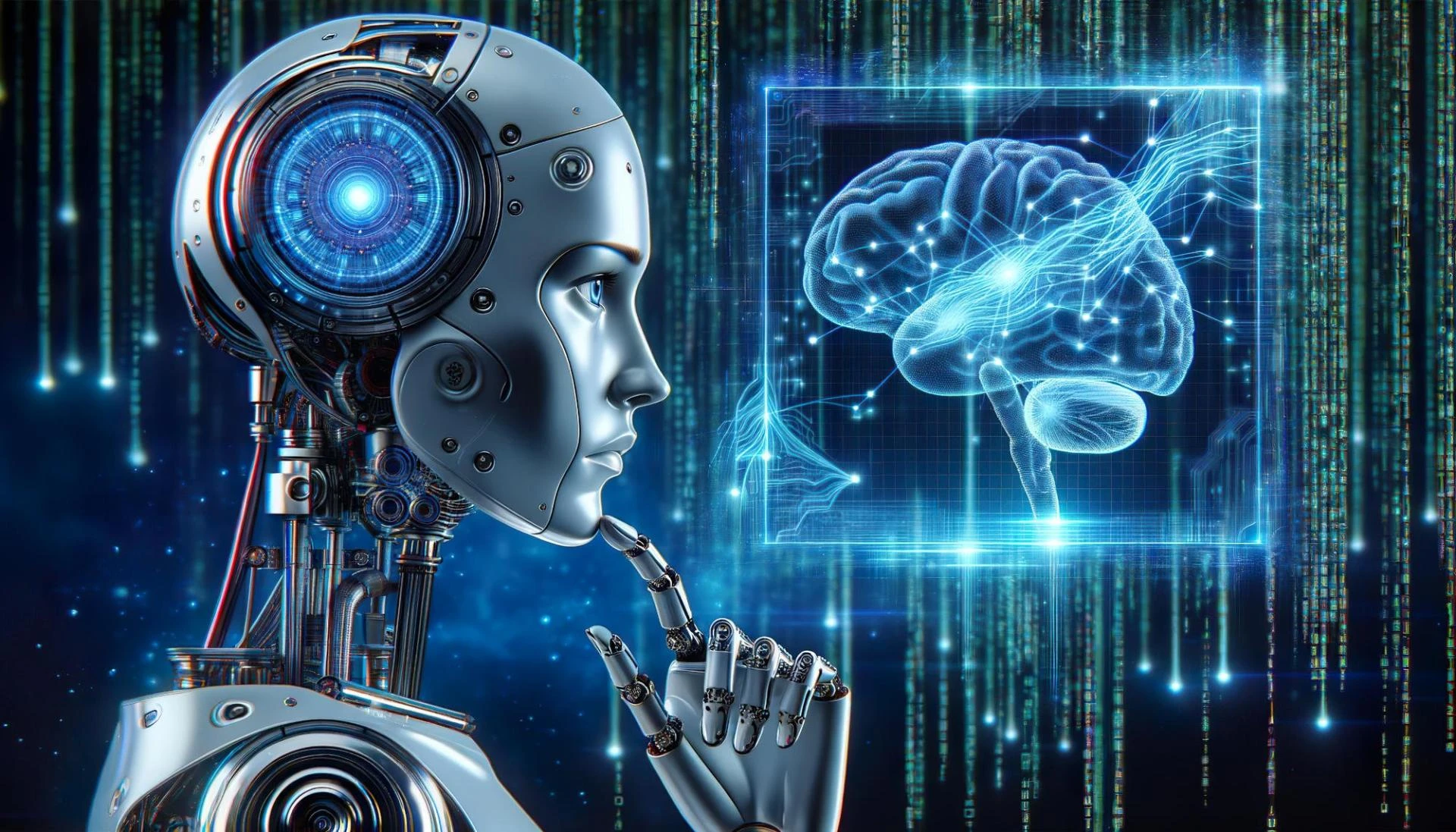

The narrative surrounding artificial intelligence development has shifted dramatically in the last six months. We have moved past the era of "chatbots" and firmly into the age of "agentic workflows." Nowhere is this transition more visible than in the latest iteration of Google’s AI Studio, which released its massive "November Workbench" update earlier this week. For developers and enterprise leaders alike, unlocking the potential of AI Studio is no longer about generating text—it is about orchestrating complex, autonomous systems.
The End of "Glue Code"
The most significant headline from this week’s update is the elimination of friction between the AI model and external data sources. Previously, developers had to write extensive "glue code" to connect Large Language Models (LLMs) to their internal APIs or databases. The new AI Studio update introduces "Native Tooling Integration," allowing the Gemini 2.0 Pro model to intuitively understand and execute functions within a company’s existing software architecture without manual bridging.
"We are seeing a 40% reduction in development time for internal enterprise apps," said Sarah Chen, a lead product manager at Google, during the press briefing on Monday. "The AI doesn't just suggest the code; it connects to the database, runs the query, verifies the result, and presents it—all within the Studio environment."
Context Caching Becomes Standard
For power users, the potential of AI Studio has often been capped by the cost and latency of re-uploading massive datasets. As of yesterday, "Context Caching" has moved out of beta and into the standard tier for all developers. This allows users to upload vast repositories of information—entire codebases, library archives, or hours of video footage—once, and query them indefinitely at a fraction of the compute cost.
This feature is already reshaping industries like legal tech and bioinformatics, where professionals need to query gigabytes of static data repeatedly without incurring "token fatigue" or massive bills.
From Prompts to "Flows"
Perhaps the most futuristic aspect of the unlocked potential is the shift in user interface. The classic chat box is being deprecated in favor of "Flow Canvases." This visual interface allows developers to map out multi-step reasoning processes where multiple AI agents collaborate.
For example, a user can now design a "Marketing Flow" in AI Studio: Agent A researches current trends, Agent B drafts copy based on those trends, and Agent C generates accompanying imagery. In the 2025 version of AI Studio, these agents critique each other’s work in a loop until a quality threshold is met, all before a human ever reviews the output.
The Democratization of Fine-Tuning
Finally, the barrier to entry for model tuning has collapsed. The new "Express Tune" feature allows small businesses to upload as few as 50 examples of their desired brand voice or output format, creating a bespoke version of Gemini in minutes. This effectively kills the notion that only tech giants can afford custom AI.
As we head into 2026, the message from the tech sector is clear: The potential of AI Studio isn't about how smart the model is anymore; it's about how seamlessly it can act as an extension of the human workforce. The tools are no longer just for building prototypes—they are for building the business itself.




























Sign in to leave a comment.