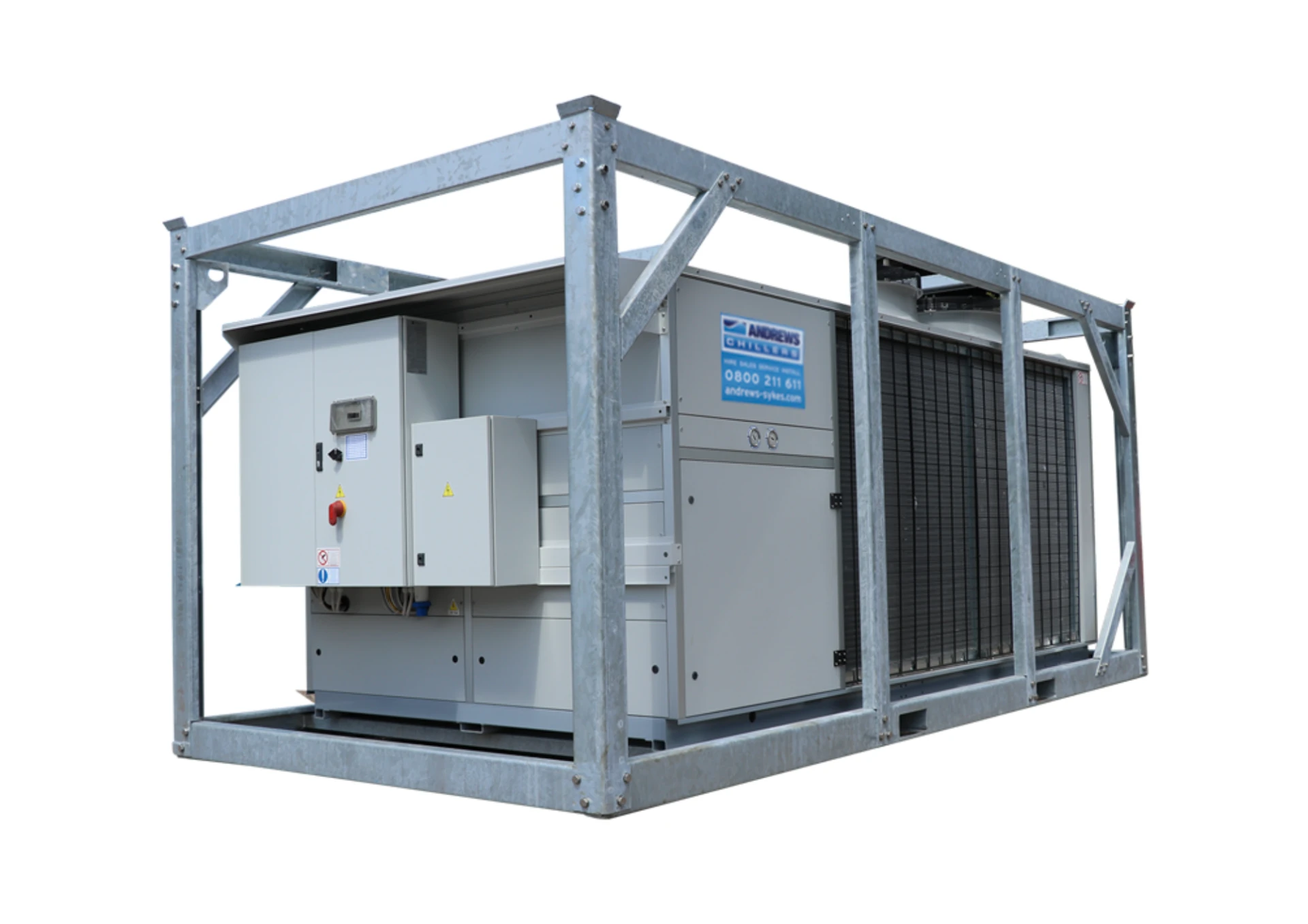
In the realm of commercial cooling solutions, choosing the right type of chiller is crucial for maintaining optimal temperatures and ensuring energy efficiency. Air-cooled and water-cooled chillers both serve the essential function of providing cooling for various applications, but they differ significantly in design, operation, and efficiency. Understanding these differences is vital for businesses looking to make informed decisions, especially when considering options for emergency chiller hire.
This article explores the key distinctions between air-cooled and water-cooled commercial chillers, highlighting their respective advantages and disadvantages.
Understanding Chiller Types
Before diving into the differences, it’s important to grasp the basic functioning of both air-cooled and water-cooled chillers. Air-cooled chillers utilise ambient air to dissipate heat, making them ideal for locations with ample airflow. In contrast, water-cooled chillers rely on water, typically from a cooling tower, to remove heat from the refrigerant. The choice between these two types can significantly impact a business’s operational efficiency and costs.
Key Differences Between Air-Cooled and Water-Cooled Chillers
1. Cooling Efficiency
One of the most significant differences between air-cooled and water-cooled chillers lies in their cooling efficiency. Water-cooled chillers generally offer higher efficiency rates compared to their air-cooled counterparts. This is largely due to the superior thermal conductivity of water, which allows for more effective heat transfer. As a result, businesses that prioritise energy savings may find water-cooled systems to be a more sustainable option. However, for those facing an immediate need for cooling solutions, emergency chiller hire can provide access to both types, allowing for quick implementation based on specific requirements.
2. Installation and Space Requirements
Air-cooled chillers are often preferred for their simpler installation and smaller footprint. These units do not require additional infrastructure, such as cooling towers or dedicated water lines, which makes them easier to install in tight spaces. Conversely, water-cooled chillers necessitate more extensive setup, including piping and cooling towers, which can occupy more space and require careful planning. For businesses with limited real estate or those needing rapid deployment, air-cooled chillers can be more convenient, especially in emergency situations.
3. Operational Costs
The operational costs associated with air-cooled and water-cooled chillers can vary significantly. While air-cooled chillers typically have lower upfront costs, they may incur higher energy expenses over time, particularly in warmer climates where they must work harder to dissipate heat. Water-cooled chillers, although more expensive to install, often lead to lower energy bills due to their higher efficiency. Additionally, they can be more effective for larger facilities with significant cooling demands, making them a worthwhile investment in the long run.
4. Environmental Impact
Businesses today are increasingly focused on sustainability, and the environmental impact of cooling solutions is a growing concern. Water-cooled chillers tend to have a lower carbon footprint since they use water for cooling, which can be more environmentally friendly if sourced responsibly. However, air-cooled chillers require less water and may be more suitable for areas with water scarcity. When considering emergency chiller hire, companies should weigh the environmental implications of their choice against their immediate cooling needs.
5. Maintenance Requirements
Maintenance is another critical aspect that differentiates air-cooled from water-cooled chillers. Air-cooled systems generally require less maintenance, as they do not have the complex piping and water components that water-cooled chillers do. However, they still need regular cleaning to ensure optimal performance, especially the condenser coils. Water-cooled chillers, while often more efficient, require more maintenance to prevent issues such as scale buildup and water treatment challenges. Companies must consider their capacity for ongoing maintenance when selecting a chiller type.
6. Noise Levels
Noise levels can be a significant factor in choosing between air-cooled and water-cooled chillers. Air-cooled chillers tend to produce more noise due to the fans that operate to dissipate heat. This can be a concern in noise-sensitive environments, such as residential areas or quiet workplaces. Water-cooled chillers, on the other hand, typically operate more quietly, making them a better choice for environments where noise reduction is essential.
Making the Right Choice for Your Business
Choosing between air-cooled and water-cooled commercial chillers requires careful consideration of various factors, including efficiency, installation, operational costs, and maintenance. Both types have their unique advantages that can cater to different business needs. For those who may require immediate cooling solutions, Andrews Sykes provides an array of options for emergency chiller hire, enabling businesses to secure the right equipment quickly and efficiently. By understanding the differences between these chiller types, companies can make informed decisions that align with their operational goals and sustainability commitments.
























Sign in to leave a comment.