

Adding greenery to your home can make a space feel more peaceful, lively, and welcoming. Air purifying plants are especially popular because they combine the beauty of indoor plants with the idea of creating a fresher-feeling living environment.
From bedrooms and living rooms to workspaces and balconies, the right plants can easily become part of your everyday home décor. Many popular houseplants are also relatively easy to care for, making them suitable for beginners.
What Are Air Purifying Plants
Air purifying plants are indoor plants that are commonly associated with improving indoor air quality. Plants naturally take in carbon dioxide and release oxygen during photosynthesis. Some plants have also been studied for their ability to interact with certain airborne compounds under controlled conditions.
However, plants should not be considered a replacement for proper ventilation, air filtration, or other measures used to maintain indoor air quality.
Their biggest everyday benefit is often the combination of greenery, natural beauty, and a more comfortable indoor atmosphere.
Popular Air Purifying Plants for Homes
There are many houseplants that can work well in indoor spaces. Some popular choices include:
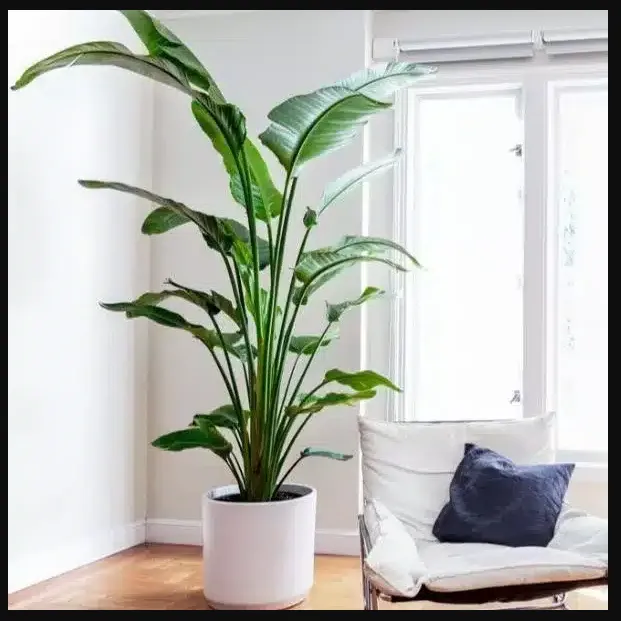
Snake Plant
Snake plants are among the easiest indoor plants to maintain. They can tolerate lower light conditions and do not require frequent watering, making them a practical option for busy households.
Their tall, upright leaves also give them a clean and modern appearance.
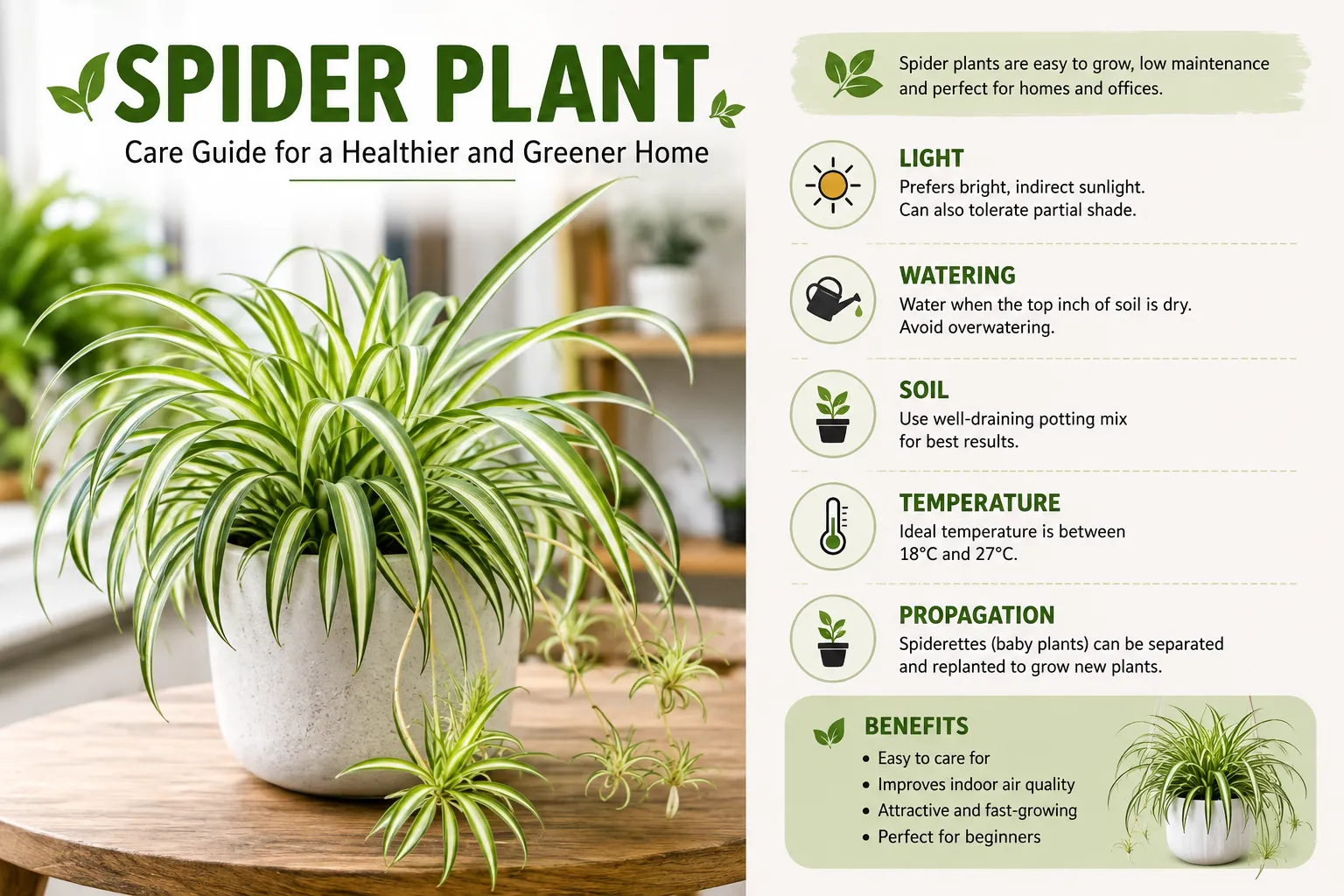
Spider Plant
Spider plants are attractive, beginner-friendly plants with long, arching leaves. They can work well on shelves, desks, hanging planters, or window areas.
With suitable light and occasional watering, spider plants can produce new plantlets that make them easy to propagate.
Peace Lily
Peace lilies are known for their dark green leaves and elegant white flowers. They prefer indirect light and evenly moist soil.
Because they can be sensitive to dry conditions, regular observation is helpful when caring for a peace lily.
Aloe Vera
Aloe vera is another popular plant for sunny indoor spaces. Its thick, fleshy leaves store water, so it generally does not need frequent watering.
Aloe vera prefers bright light and well-draining soil. Avoid keeping it in constantly wet soil.
Pothos
Pothos is a popular trailing houseplant that can adapt to a range of indoor conditions. Its vines look attractive when placed on shelves or allowed to hang from a planter.
It is also relatively easy to propagate, making it a favorite among new plant owners.
Benefits of Keeping Plants Indoors
Indoor plants can provide several practical and visual benefits. They can make rooms look more natural and add color to spaces that might otherwise feel plain.
Plants can also create a relaxing connection with nature. Taking care of them can become a simple daily or weekly routine that adds greenery to your lifestyle.
For people working from home, a few plants around a workspace can also make the environment feel more pleasant and visually interesting.
Where Should You Place Air Purifying Plants
The best location depends on the plant you choose. Some plants prefer bright indirect light, while others can tolerate lower-light areas.
Living rooms are often suitable for larger plants such as snake plants or pothos. Smaller plants can be placed on desks, shelves, or side tables.
Bedrooms can also accommodate suitable houseplants, provided their light and watering requirements are met.
Avoid placing a plant somewhere simply because it looks attractive there. Check its light requirements first. A plant that needs bright light may struggle in a dark corner.
How to Care for Indoor Plants
Good plant care starts with understanding the specific needs of each species. Different plants have different requirements for sunlight, watering, soil, temperature, and humidity.
Before watering, check the soil instead of following a strict daily schedule. Overwatering is one of the most common problems with indoor plants.
Make sure pots have drainage holes, and remove excess water from containers or trays when necessary.
Regularly wipe dusty leaves and inspect plants for insects or signs of stress. Simple maintenance can help keep indoor plants looking healthy.
Can Plants Really Clean Indoor Air
The phrase "air purifying plants" is widely used in gardening and home décor, but it is important to keep expectations realistic.
Some research has explored whether plants can remove certain pollutants under controlled laboratory conditions. A typical home, however, has much greater air volume and different airflow conditions.
For maintaining good indoor air quality, ventilation, reducing pollution sources, and using an appropriate air purifier when needed can be more effective approaches. Indoor plants are best viewed as a complementary addition rather than a complete air-cleaning solution.
Choosing the Right Plants for Your Home
When choosing air purifying plants, consider more than just appearance. Think about how much natural light your room receives, how often you can water the plant, and how much space you have available.
Beginners may want to start with hardy options such as snake plants, pothos, or spider plants. People who enjoy flowering plants may prefer options such as peace lilies.
Choosing plants that match your home environment makes long-term care much easier.
Final Thoughts
Air purifying plants can be a beautiful way to bring more greenery into your home. Whether you choose a snake plant for a bedroom, pothos for a shelf, spider plant for a workspace, or aloe vera for a sunny window, indoor plants can add natural character to your surroundings.
The key to keeping them healthy is simple — choose the right plant for your space, provide suitable light, avoid overwatering, and give the plant regular attention. With a little care, your indoor greenery can become a lasting part of your home.
Frequently Asked Questions
Which are some popular air purifying plants?
Snake plant, spider plant, pothos, peace lily, and aloe vera are popular indoor plants often associated with air-purifying benefits.
Are air purifying plants good for bedrooms?
Many indoor plants can be kept in bedrooms as long as their light, temperature, and watering requirements are suitable for the location.
Do air purifying plants need sunlight?
Most plants need some form of light. The amount varies by species, so check the specific requirements of the plant before choosing its location.
How often should indoor plants be watered?
There is no single watering schedule for every plant. Check the soil and water according to the plant's specific needs.
Can air purifying plants replace an air purifier?
No. Plants should not be relied upon as a replacement for ventilation or a mechanical air purifier when air filtration is needed.
Which air purifying plant is easiest for beginners?
Snake plants and pothos are commonly considered beginner-friendly because they can tolerate a range of indoor conditions and generally do not require complicated care.
























Sign in to leave a comment.