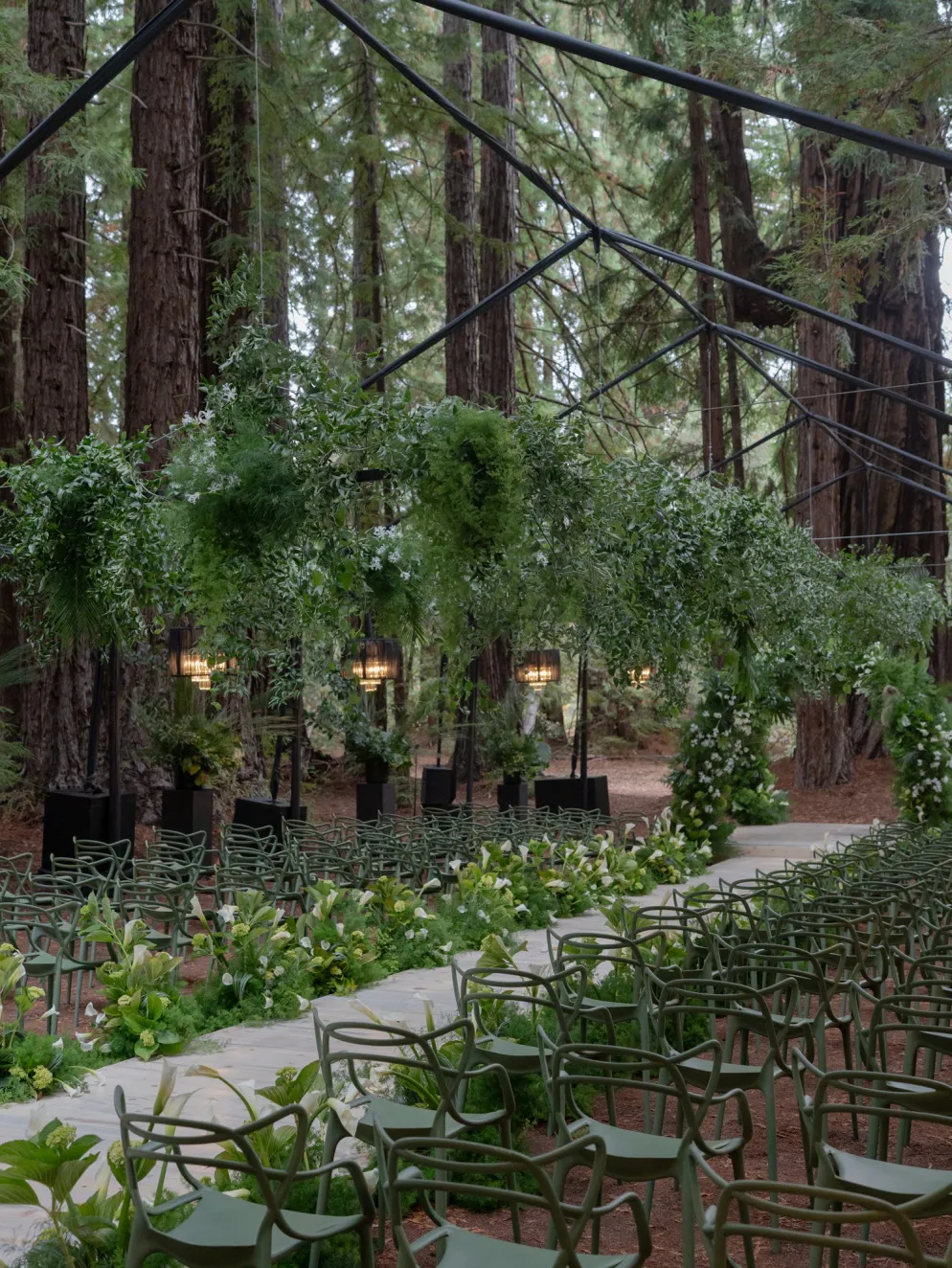
Designing a ceremony space requires a thoughtful approach that balances visual impact with the natural setting. Well-planned aisle and altar decorations by professional wedding planners serving Philadelphia can define the atmosphere, guide guest focus, and support a cohesive experience without overwhelming the space. From floral installations to structural elements and lighting, each detail can contribute to a setting that feels intentional and well-executed.
Below are practical, design-forward ideas that can elevate ceremony spaces while maintaining clarity and restraint.
Floral Installations That Frame the Ceremony
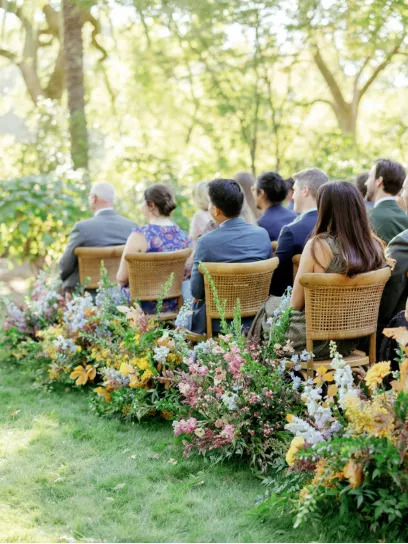
Floral elements can shape the ceremony environment when used with purpose. Instead of overfilling the space, consider placement and scale.
- Grounded aisle arrangements: Low-profile florals lining the aisle can create a clean visual path without obstructing views. These arrangements can be spaced evenly or clustered near the ceremony entrance and altar for emphasis.
- Asymmetrical altar florals: A single-sided floral installation or offset design can introduce visual interest while maintaining a balanced look.
- Seasonal and local selections: Choosing flowers that reflect the environment can help the design feel connected to the venue rather than imposed on it.
Couples working with consultants for weddings often find that thoughtful floral placement delivers stronger visual results than excessive quantity. Strategic design allows each arrangement to stand out while supporting the overall setting.
Structural Elements That Define the Space
Structural features can anchor the ceremony area and provide a focal point for the altar. These elements work best when they complement the venue rather than compete with it.
- Minimalist arches and frames: Clean-lined structures in wood or metal can outline the altar without adding visual clutter.
- Freestanding panels or backdrops: Subtle panels can introduce depth and dimension, especially in open venues.
- Aisle markers with structure: Small pedestals, plinths, or lantern stands can guide the aisle without overwhelming it.
For those using wedding planning services, incorporating architectural elements that align with historic venues or outdoor landscapes can create a more cohesive result.
Lighting Concepts That Enhance Without Overpowering
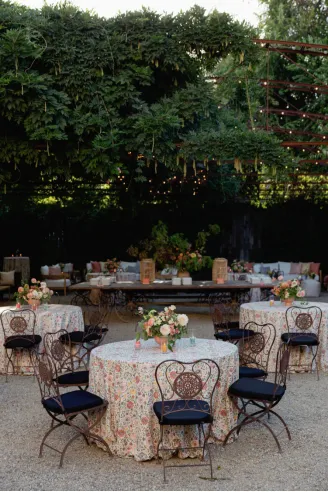
Lighting plays a key role in shaping how a ceremony feels and photographs. The goal is to enhance visibility and atmosphere without distracting from the moment.
- Soft aisle lighting: Candles or low-level fixtures can define the aisle, particularly for late afternoon or evening ceremonies.
- Focused altar lighting: Subtle spot lighting or overhead installations can draw attention to the altar area.
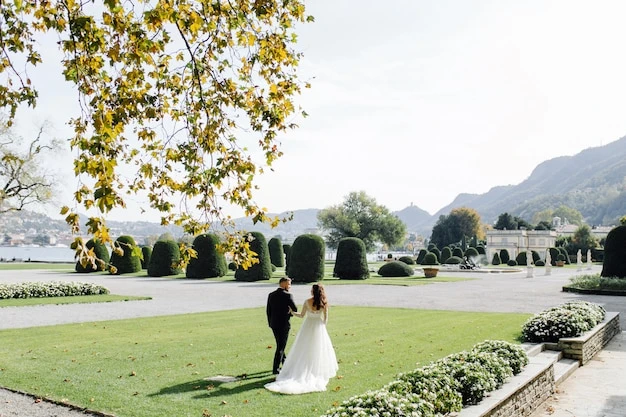
- Natural light integration: When possible, align the ceremony timing and layout to take advantage of natural light, especially in outdoor settings.
Lighting decisions made through full-service wedding planning often consider both guest experience and photography, ensuring the space looks consistent from every angle.
Creating Visual Flow from Aisle to Altar
A strong ceremony design considers how guests visually move from the aisle to the altar. Continuity helps the space feel organized and intentional.
- Repeating materials: Carry similar textures or finishes from aisle markers to altar structures to maintain cohesion.
- Consistent color direction: Limiting the palette can help avoid visual clutter while keeping the focus on the ceremony itself.
- Gradual build in detail: Starting with simpler aisle elements and transitioning to a more defined altar design can create a natural progression.
Professional consultants for weddings often guide couples in refining these transitions so that each element feels connected rather than isolated.
Enhancing the Space Without Overdesigning
A common concern is how to elevate the ceremony without adding unnecessary elements. The key is restraint and intentional placement.
- Highlight existing features: Architectural details, scenic backdrops, or natural surroundings can act as built-in design elements.
- Use fewer, larger statements: One well-executed installation can be more effective than multiple smaller ones competing for attention.
- Maintain guest comfort: Clear sightlines, accessible seating, and unobstructed pathways should always guide design decisions.
Couples exploring wedding planning services serving Philadelphia often benefit from experienced teams who understand how to enhance venues while respecting their original character.
Practical Considerations for Seamless Execution
Beyond aesthetics, logistics play an important role in ceremony design.
- Setup and transition timing: Ensure there is adequate time for installation and adjustments before guests arrive.
- Weather adaptability: Outdoor ceremonies may require flexible design elements that can adjust to changing conditions.
- Coordination with creative partners: Florists, lighting teams, and planners should work in sync to maintain consistency.
With full-service wedding planning, these logistical aspects are managed alongside design, helping ensure the ceremony space is both visually strong and well-organized.
Well-executed aisle and altar decorations can transform a ceremony space by guiding attention, framing key moments, and supporting a cohesive visual experience. By focusing on thoughtful floral placement, clean structural elements, and balanced lighting, couples can create a setting that feels complete without being overwhelming.
Design decisions that prioritize clarity, proportion, and coordination often result in a more refined outcome. Working with experienced professionals can further support these goals, ensuring that each detail contributes to the overall experience in a meaningful way.
If you are planning a ceremony and want a design approach that feels intentional and well-managed, connect with Emily Coyne Events for exceptional wedding planning services. Their team focuses on aligning design, logistics, and guest experience to deliver a ceremony setting that reflects your vision with clarity and precision.
About the Author
Martha F. is a professional wedding planner with extensive experience designing and coordinating well-structured, detail-oriented events. With a strong focus on organization, guest experience, and cohesive planning, she brings practical insight to every stage of the wedding process. Martha regularly writes informative blogs to help couples make confident, well-informed decisions. Her content reflects a clear, polished approach to modern wedding planning, offering guidance that aligns with evolving styles, expectations, and logistical considerations.























Sign in to leave a comment.