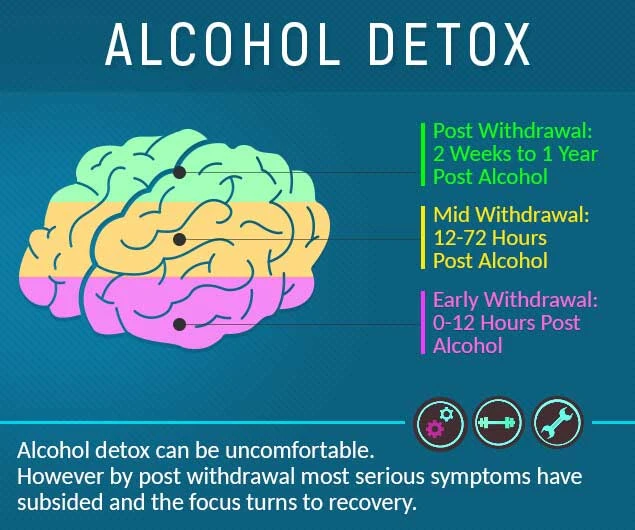

There are a number of psychological symptoms that are commonly experienced by people in the final stages of alcohol detox. Some of these include hallucinations, seizures, and heart failure. Fortunately, these symptoms generally subside within a week or two. However, some individuals may continue to experience ongoing symptoms, particularly if they are heavily dependent on large amounts of alcohol.
Treatment for alcohol withdrawal
Alcohol withdrawal can be a dangerous condition. Because the initial symptoms of alcohol withdrawal may mimic serious disease conditions, it is important to seek medical attention as early as possible. Typical medical conditions associated with alcohol addiction include gastrointestinal bleeding, liver disease, cardiomyopathy, and neurological impairment. Patients may also experience dehydration and electrolyte imbalances. Patients should be monitored for these conditions and given intravenous fluids if necessary.
For patients with moderate alcohol withdrawal, medical professionals may recommend pharmacotherapy to control the symptoms. This pharmacotherapy can help reduce the risk of seizures and can be given in an outpatient setting. Benzodiazepines are often prescribed to patients in alcohol withdrawal. Carbamazepine is another medication often used for this purpose.
Another medication used to treat alcohol withdrawal is phenobarbital. This powerful medication has shown promising results in patients. Its use in critical care settings is still in its infancy, but the use of phenobarbital in other settings may reduce the need for costly ICU admissions and mobilize limited hospital resources.
Treatment for hallucinations
Alcohol detox for hallucinations can be a dark and difficult time. If not treated properly, this condition can lead to hallucinations or relapse. The first step in recovery is stabilizing the condition, which can often involve antiseizure or sedative medications. Treatment may also include a hospital stay.
Alcoholic hallucinations are a symptom of alcohol withdrawal and can cause a heightened sense of fear. Most people who are affected experience sound-related hallucinations, where they hear voices. These voices often give commands or make spiteful comments. Other symptoms can include visual or tactile hallucinations.
Alcohol withdrawal can cause hallucinations, as well as altered mentation. These hallucinations usually occur during the first two days after the last drink. They are sometimes accompanied by seizures, agitation, and fluid and electrolyte disturbances. In severe cases, the alcoholic may have cardiac failure.
Treatment for seizures
Alcohol withdrawal can cause seizures, particularly generalized seizures. These seizures involve violent muscle contractions and a brief loss of consciousness. The individual may experience confusion and sleepiness after the episode. They may also experience extreme fatigue and a migraine-like headache. Thankfully, treatment for seizures can be effective in reversing the symptoms of seizures.
A patient experiencing seizures due to alcohol withdrawal should be immediately checked by a physician. Seizures can be potentially life-threatening, and alcohol withdrawal can worsen existing seizures. Alcohol can also impair the patient's ability to absorb anti-seizure medications. Withdrawal seizures can begin hours or days after the patient stops drinking alcohol. In severe cases, seizures can lead to a coma and potentially deadly brain damage. One-third of people who experience seizures after alcohol withdrawal will also develop delirium tremens.
Seizures caused by alcohol withdrawal are caused by a chemical imbalance in the brain. Alcohol suppresses brain activity and increases GABA levels in the brain. GABA is a relaxing neurotransmitter, while glutamate excites the brain. Over time, the nervous system becomes used to the changes and becomes sensitive. As a result, seizures occur more frequently in those who have a history of alcohol abuse.
Treatment for heart failure
Alcoholic cardiomyopathy is a serious condition caused by a lack of blood flow to the heart. It affects the lower chambers of the heart, which pump blood to the lungs and body. As a result, the muscles of the heart become weakened and stretched. This leads to heart failure, which can cause fatigue, weakness, and fainting.
Alcohol abuse wears down the heart over time. Initially, it causes short-term increases in heart rate and blood pressure. Over time, these irregularities weaken the heart muscle and make it enlarge to compensate. Eventually, this condition is called dilated cardiomyopathy, where the heart muscle is stretched beyond its limits.
Fortunately, alcohol-related heart failure can be treated. A doctor can prescribe an anti-inflammatory medication that can reduce the swelling in the heart. He can also recommend an adjusted diet that includes low-sodium, low-cholesterol, and strong vitamin intake. This combination of foods can provide the nutrients the heart needs to recover.
0
























Sign in to leave a comment.