If you want better comfort, lower energy use, and stronger building performance in Medford and nearby areas, insulation is often the next step that makes everything work smoothly. Many property owners reach this point when drafts, uneven temperatures, or old materials start costing more than they should. This guide walks you through what to expect, how spray foam supports long-term results, and what role our team can play.
Insulation shapes how your building handles heat, moisture, and airflow. A strong upgrade helps rooms stay more comfortable and reduces the strain on your HVAC system. All Foam & Insulation, LLC uses proven methods to deliver dependable results for projects. For your next insulation step, call us at (541) 826-9600 or email [email protected].
The Right Solution For Your Next Step In Grants Pass And Medford
Many homes and buildings in this region deal with temperature swings, humidity changes, and aging structures. A solid insulation plan keeps indoor conditions steady. Our team helps you choose materials that match your build type and long-term goals. From strengthening walls to improving roof systems, you can update comfort levels without significant disruption.
Our Services
- Closed Cell Spray Foam
- Open Cell Spray Foam
- Fiberglass Batt Insulation
- Blown-In Insulation
- Membrane Roofing
How Updated Insulation Solves Key Problems
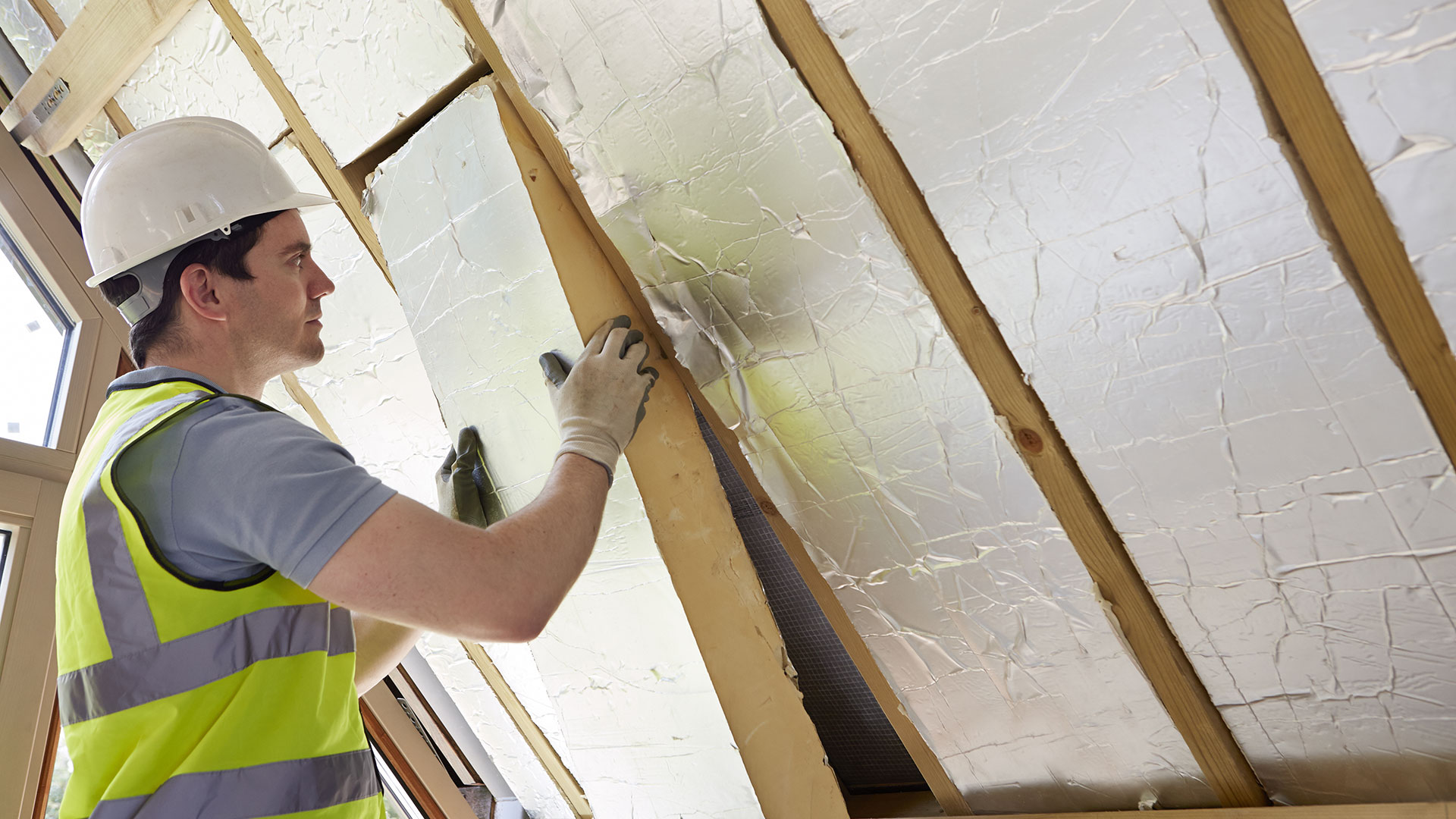
Spray foam seals gaps that let in moisture and outside air. Blown-in and batt insulation add depth to older spaces. Membrane roofing protects the top layer of a building and reduces heat movement through the roof. Each upgrade improves comfort and indoor stability, supports HVAC performance, and helps reduce wasted energy.
Why Local Knowledge Matters
Buildings in Grants Pass and Medford range from older homes to large shops and office spaces. Each layout needs a specific approach. Our team understands what conditions these structures face year-round and guides you toward choices that fit your timeline, design, and goals.
How Spray Foam Helps Residential Properties In Medford
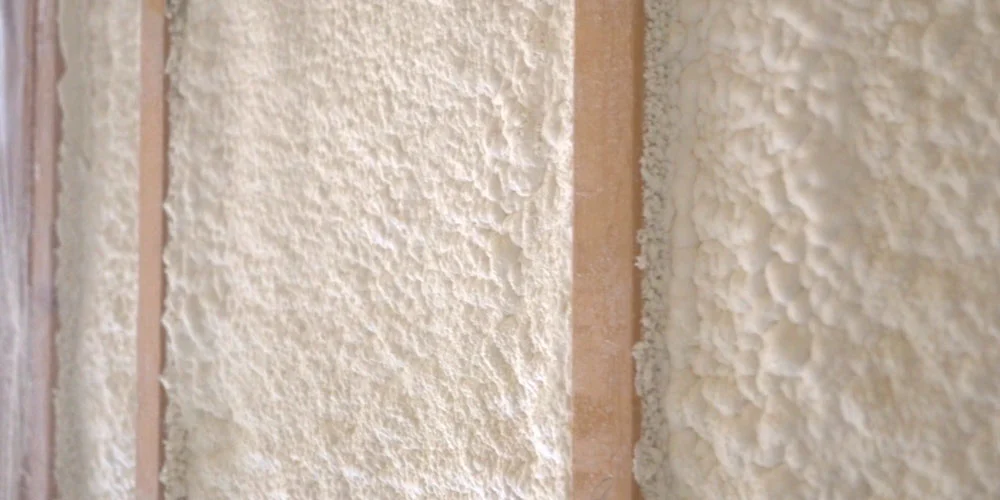
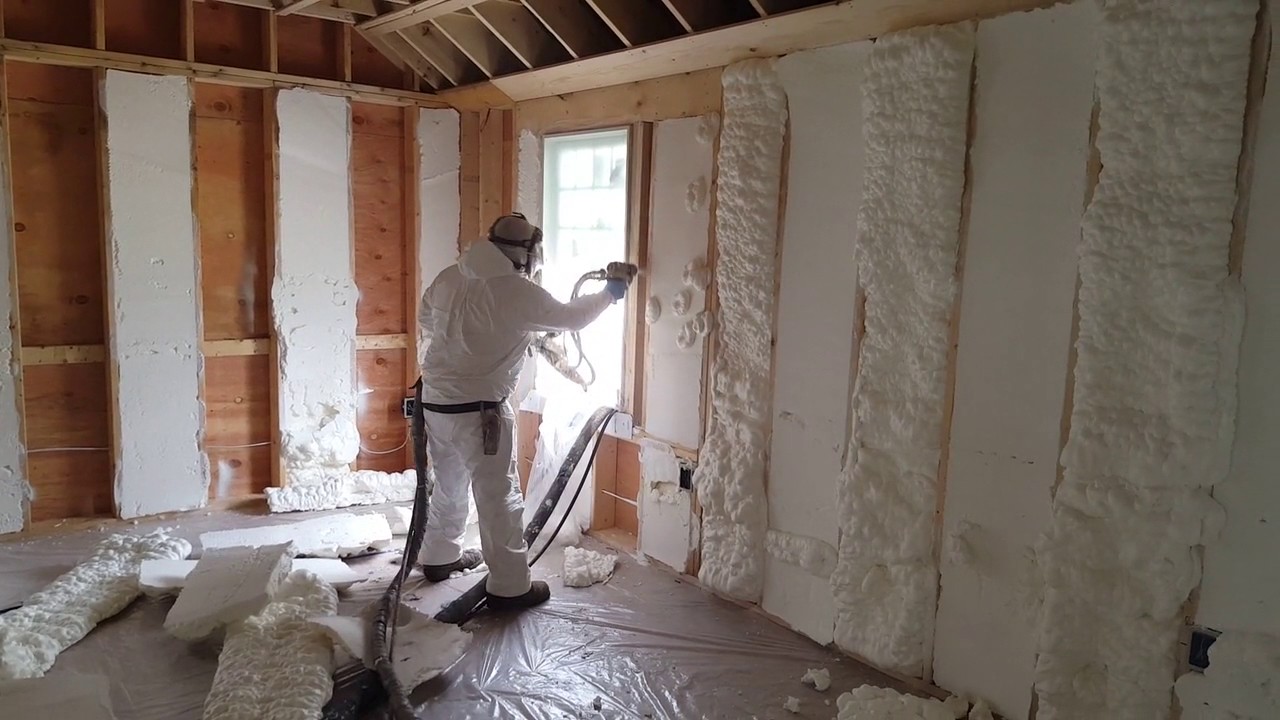
Spray foam gives strong support for homeowners who want a quick improvement that lasts. It fills cavities, shapes to tight corners, and forms a continuous thermal layer. The goal is simple: make your home more stable and cut the strain on your heating and cooling equipment.
Before diving into examples, here is a short breakdown of where residential spray foam brings the most value.
Closed Cell vs Open Cell In Homes
Closed cell is strong, adds rigidity, and blocks moisture. Open cell is softer, expands more, and handles sound better. Both reduce airflow issues.
Closed Cell Benefits
- Adds strength to walls
- Helps control moisture
- Works well for basements and exterior walls
Open Cell Benefits
- Great for attics
- Reduces noise
- Expands into tight spaces
Where Homeowners See Improvements
Homeowners often feel better results within days. Rooms stay at steady temperatures, floors and walls feel warmer in winter, and humid summer air stays out. Spray foam also works well for bonus rooms, remodel projects, and small additions that typically lose heat fast.
Spray Foam Compared To Fiberglass And Blown-In
Below is a simple comparison to help make choices easier.
| Feature | Spray Foam | Fiberglass Batt | Blown-In |
|---|---|---|---|
| Air Sealing | Strong | Moderate | Moderate |
| Moisture Control | Strong with closed cell | Low | Low |
| Sound Control | Good with open cell | Basic | Good |
| Fit For Tight Spaces | Yes | Limited | Good |
| Long-Term Stability | High | Moderate | Good |
Why Residential Attics Gain The Most
Attics in this region face heat in summer and cold in winter. Open-cell foam helps slow heat movement and reduces strain on your HVAC system. Many homes also have attic bypass gaps that leak conditioned air. Foam closes these areas to help keep the house more stable.
How Insulation Upgrades Support Commercial Buildings
Commercial properties need insulation that withstands daily use, large spaces, and continuous heating or cooling loads. Spray foam helps control indoor climates even in high-ceiling areas or structures with metal framing. Blown-in and batt insulation also help improve coverage for walls, offices, and storage rooms.
This section covers how insulation supports operations, comfort, and long-term building health.
Why Commercial Buildings Benefit From Spray Foam
Spray foam is well-suited for warehouses, offices, retail locations, and small industrial buildings. It sticks to metal panels, fills joints, and cuts heat transfer. By reducing air movement, the building stays more stable year-round.
Stronger Building Envelope
- Reduces uncontrolled outside air
- Helps regulate interior climate levels
- Supports HVAC balance in large spaces
Less Moisture Risk
Closed-cell spray foam adds a protective layer against moisture and condensation along walls and roof lines. This is helpful for buildings that store materials or equipment.
Office Areas And Occupant Comfort
Employees and customers feel the difference quickly. Rooms remain more stable throughout the day, which supports productivity and helps reduce noise between workspaces when open-cell is used in interior walls.
Why Roofing Systems Matter For Commercial Spaces
Commercial roofs cover large surface areas. Membrane roofing helps keep heat out, protects against weather changes, and reduces water-related issues. Adding spray foam under roof decks supports long-term performance and comfort.
Key Places Where Insulation Makes The Biggest Difference
Some parts of a structure lose more energy than others. Focusing on high-impact zones helps you get results faster. These areas share similar needs across both homes and commercial buildings.
Below are the most essential zones to address.
Attics And Ceilings
Heat moves quickly in either direction. Proper insulation in this area affects indoor comfort more than almost any other space.
Why Attics Need Attention
- Large surface area exposed to outdoor temperatures
- Common gaps and weak spots
- Substantial impact on HVAC efficiency
Walls And Structural Cavities
These areas determine how well a building maintains a stable interior. Foam and blown-in materials fill cavities without needing significant changes to walls.
Benefits Of Wall Upgrades
- Better temperature stability
- Reduced outside noise
- More complete coverage
Crawl Spaces And Basements
These locations influence indoor air quality and moisture levels. Closed-cell spray foam is often a good fit due to its moisture resistance.
Crawl Space Improvements
- Stops cold floors
- Reduces humidity
- Helps protect framing
Roof Lines And Building Tops
Heat rises, so roof areas need strong thermal support. Combined insulation and membrane roofing help protect the upper part of the structure.
Roof Upgrade Impact
- Improved comfort on upper floors
- Better indoor climate control
- Lower energy loss
How Insulation Supports Year-Round Comfort And Efficiency
Medford and Grants Pass experience cold winters and warm summers. Insulation helps both conditions. This section explains how to improve indoor comfort and how insulation supports HVAC systems.
Why Temperature Stability Matters
Consistent indoor temperatures reduce the strain on heating and cooling units. This often leads to fewer service calls and smoother daily use.
Comfort Gains You Can Expect
- Fewer cold spots
- Better humidity control
- More even airflow
The Role Of Air Sealing
Air sealing matters as much as insulation thickness. Spray foam supplies both insulation and airtightness in one step, helping reduce energy waste.
Combined Impact
- Controlled indoor climate
- Reduced drafts
- Stronger thermal layer
HVAC Performance And Reduced Load
When insulation closes gaps and stabilizes temperatures, HVAC units run for shorter periods.
How This Helps
- Lower equipment stress
- Steady indoor comfort
- Better long-term performance
Preparing For An Insulation Upgrade
Before starting a project, a clear plan helps you get smoother results. This section helps you understand what to expect and how to prepare your building.
Inspection And Assessment
A walkthrough identifies weak spots, moisture issues, and places where insulation is missing or damaged.
What We Look For
- Gaps in walls and attics
- Old materials that sag or fail
- Signs of moisture or drafts
Choosing Material Types
Different materials solve different issues. The choice depends on building age, layout, and comfort goals.
Material Factors
- Expansion needs
- Moisture levels
- Sound control
- Strength requirements
Project Planning
You will know which steps occur, when they occur, and how they affect daily use.
Planning Points
- Access to attics and walls
- Time needed for application
- Cleanup and final walkthrough
Common Questions
How long does spray foam take to install? Most projects finish within one or two days, depending on size and access points. The material expands and sets quickly, which keeps the process simple.
Where does spray foam give the fastest results? Attics, crawl spaces, and exterior walls show the most considerable improvements. These areas influence temperature control and reduce drafts almost immediately.
Can spray foam help reduce noise? Open-cell foam helps control sound in rooms and along shared walls. It fills cavities, helping minimize sound transmission.
Is insulation helpful for older properties in Medford and Grants Pass? Yes, many older buildings see significant gains because they often have gaps, thin materials, or uneven coverage. Foam and blown-in options improve these spaces without major renovations.
Moving Forward With Your Next Insulation Step
A clear plan gives you the best path toward comfort, strength, and smoother daily use. Insulation stabilizes indoor conditions and protects your structure from seasonal changes. Homes and commercial buildings both gain from updated materials that reduce energy loss and support long-term performance.
Insulation shapes how your building handles heat, moisture, and airflow. A strong upgrade helps rooms stay more comfortable and reduces the strain on your HVAC system. All Foam & Insulation uses proven methods to deliver dependable results for projects. For your next insulation step, call us at (541) 826-9600 or email [email protected].
FAQs
How does spray foam help control moisture in basements and crawl spaces?
Closed-cell foam forms a tight surface that slows moisture movement through walls and floors. This helps reduce humidity and protects framing from long-term damage.
Can insulation upgrades help reduce HVAC maintenance?
Better insulation keeps systems from running as often, which lowers wear. A stable indoor environment supports smoother performance and reduces stress on the equipment.
Is blown-in insulation a good option for older wall cavities?
Yes, it fills uneven areas and covers gaps left by older materials. It supports temperature balance and improves overall comfort without removing existing walls.
Why do commercial buildings gain so much from air sealing?
Large spaces lose energy quickly through leaks. Spray foam helps seal these areas, stabilizing the indoor climate and supporting consistent year-round use.
How does membrane roofing help manage heat?
It reflects sunlight and protects roof surfaces from temperature swings. This helps reduce heat transfer inside the building and supports better indoor comfort.
Reviewer: Lily Johnson offered her feedback after reviewing this post. With 8 years in the spray foam insulation field, her suggestions focused on improving outreach to homeowners seeking high-quality insulation solutions.
Sign in to leave a comment.