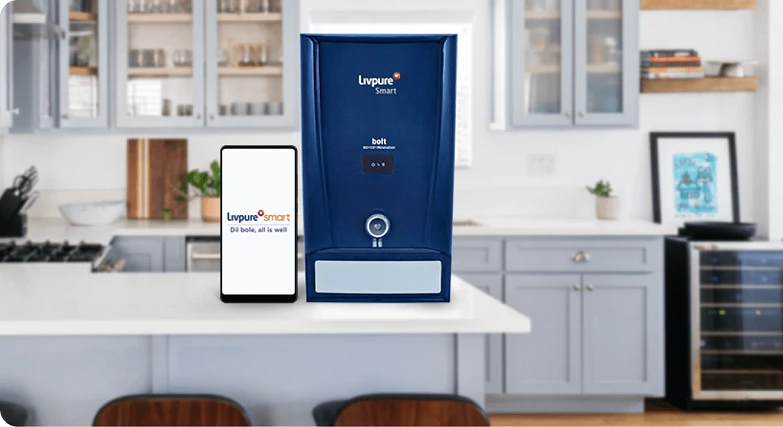

In today’s times, everyone talks about drinking only bottled mineral water, especially when they are in public places, restaurants, offices, etc. But have you wondered why most of us prefer drinking bottled mineral water? There are various reasons behind making this choice. Firstly, people fear drinking unclean water from the tap due to the prevalence of water-borne diseases in our country. Some folk have underlying medical conditions that restrict them from consuming water without any filtration.
For the general public, high TDS is a cause of concern so they prefer drinking bottled water or buying affordably priced for their homes. There are total dissolved solids present in water that can also be an issue if their count is very high. Read on to know more about total dissolved solids and how they play a key role in drinking water quality:
What are Total Dissolved Solids?
Water from the municipal corporation of your area or dug up from the ground in your property has a lot of inorganic and organic compounds, namely, positively charged calcium, magnesium, potassium and sodium cations and negatively charged carbonates, nitrates, bicarbonates, chlorides and sulfates anions. The concentration of these chemicals present in water is known as total dissolved solids or TDS. It is important to know the TDS value of the drinking water in your home so that you do not consume harmful toxins. Installing a top-rated high TDS water purifier is highly recommended.
Why are Total Dissolved Solids Measured in Water?
It is suggested to use a well-priced RO water purification system in your home to remove impurities or total dissolved solids. Although there are some minerals present in TDS that are good for us, the majority volume is made of hazardous chemicals. Thus, they need to be removed. Here are 4 important reasons for measuring TDS in drinking water:
TasteThe most obvious reason for measuring total dissolved solids is their impact on drinking water. If you consume water with a high TDS level, then its taste can be very displeasing and “unnatural”. This means that the TDS level would be more than 500 mg/litre. Similarly, if the TDS level is too low, i.e., less than 50 mg/litre, then the taste can be too flat. Thus, a balance needs to be maintained with the TDS level varying bwetween 50 to 250 mg/litre.
HealthIt is a widely-accepted fact that water with toxins should not be consumed on a regular basis. This is because it can carry bacterial and viral infections causing serious medical conditions among people in all age groups. Keeping this in mind, water that is ideal for daily consumption should have a TDS level of 150 mg/litre. If the level of TDS is low, then it will not cause any medical issues. However, it can create a lack of some important minerals like calcium, magnesium, zinc, potassium, etc. It is always better to drink water with the right amount of total dissolved solids.
CookingInconsistent levels of TDS can also affect your cooking process because it can change the taste of your food preparations. This is especially true when the TDS level is high. Therefore, it is encouraged to install a water purification system that balances the TDS levels properly.
CleaningSince there are varied types of inorganic salts present in water with a high TDS level, it can lead to unwanted build-up on clothing, utensils, and everything else in your home. This build-up will leave a lot of spots that can ultimately damage your personal items.
As a result, you will not be able to use them. It is because of this reason that high TDS levels in drinking water should be avoided. If you already have a water purifier, then regular maintenance should be ensured.
Drinking clean and healthy water is a natural right of every individual on this planet. Not only will it help curb the spread of water-borne diseases but also ensure the well-being of people in the long run.









Sign in to leave a comment.