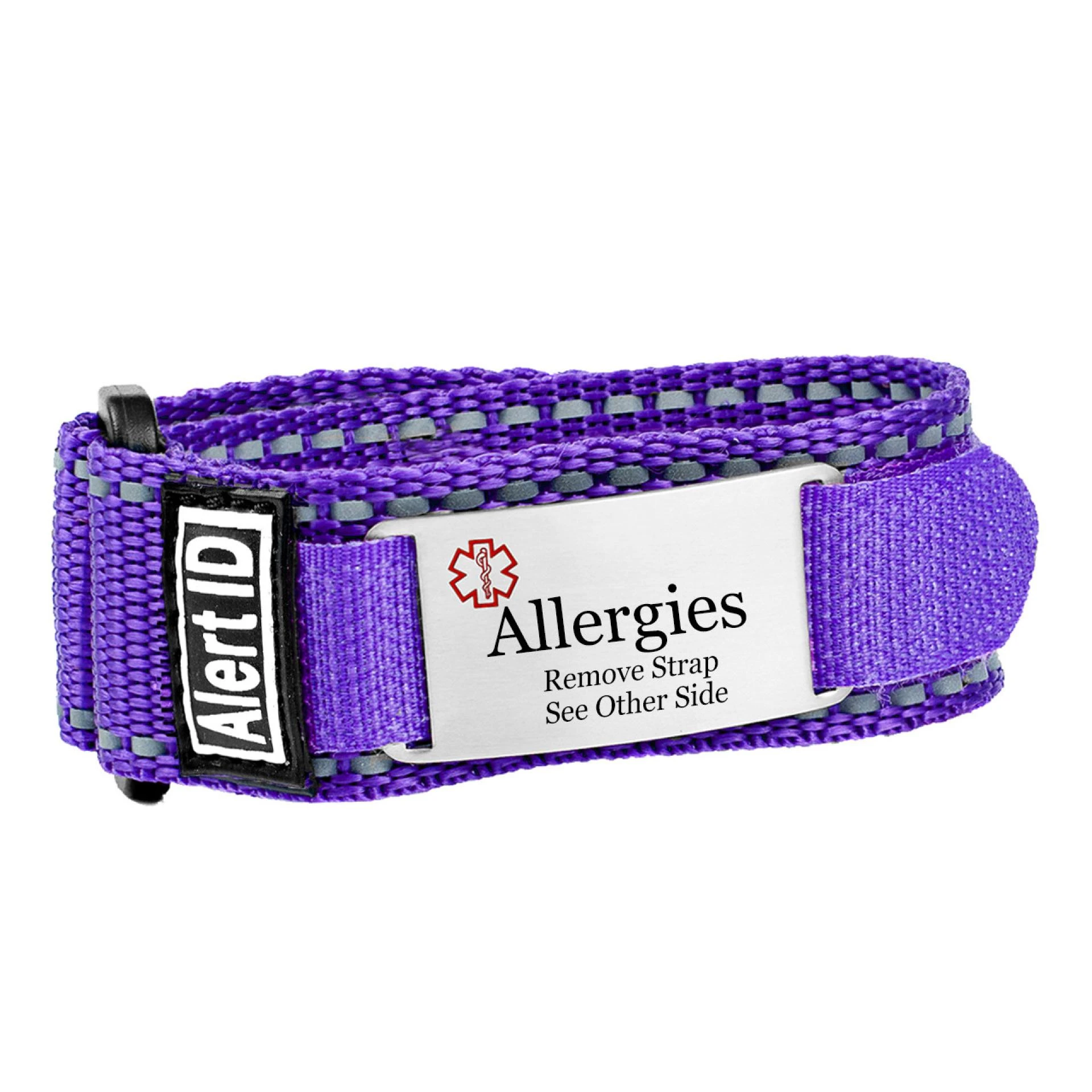
Allergies affect millions of people every day. From mild symptoms like sneezing to dangerous conditions like anaphylaxis, allergic reactions can strike unexpectedly. In situations where seconds matter, the ability to alert others about your allergies can be life-saving.
That’s where an Allergy-detecting wristband | Allergy Bracelet becomes more than just a wearable—it’s a personalized safety tool. These medical wristbands help share critical information quickly, whether you’re conscious or not. Some modern versions can even detect the early signs of a reaction and alert caregivers or emergency services in real time.
This guide will walk you through the full value of allergy wristbands, how they work, who should use them, features to look for, and the best options available today. Whether you're managing your own allergies or caring for someone else, you'll find helpful information that empowers safer living.
What Does an Allergy Bracelet Do?
An allergy bracelet is a wearable that displays important allergy-related details so others can help if you’re experiencing a reaction. These bracelets are especially useful in emergencies where the person cannot speak or explain their condition.
Usually worn on the wrist, these bands are designed to be clear, simple, and easy to read. You can find them engraved or printed with phrases like “Shellfish Allergy,” “Carries EpiPen,” or “No Penicillin.” Some have room for an emergency contact number too.
Modern advancements have introduced smart allergy-detecting wristbands. These are wearable devices equipped with digital sensors that track your body’s signals, such as pulse rate or temperature. If the wristband detects something unusual, it can trigger alerts to a connected smartphone or medical responder.
The purpose of these devices is to prevent allergic incidents from becoming worse. Even if you’re far from home or in a place where people don’t speak your language, your bracelet speaks for you.
A simple message like “Tree Nut Allergy” could help avoid accidental exposure and get you the right care in time.
How Do Smart Allergy Wristbands Work?
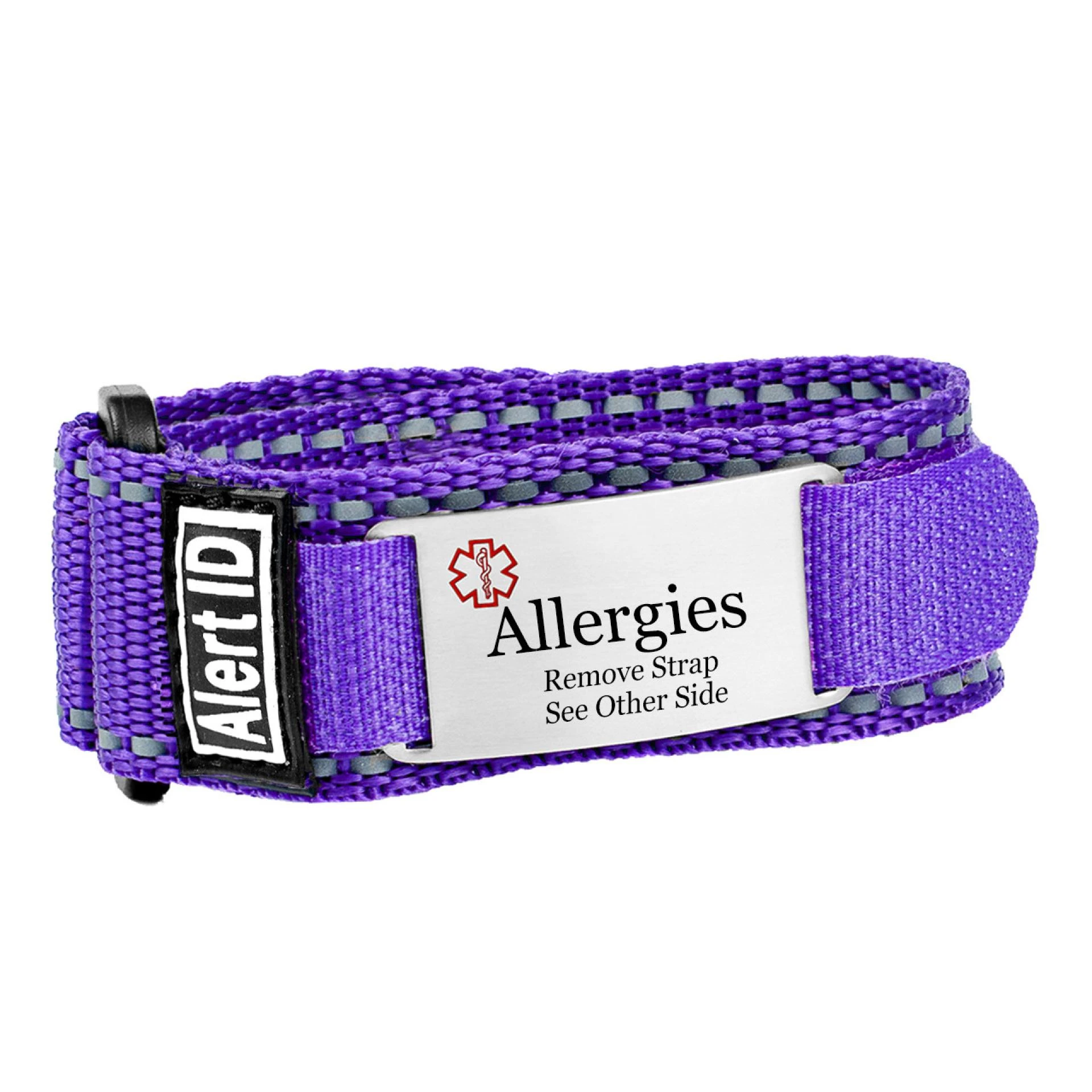
Smart allergy-detecting wristbands use built-in health tracking technology to keep an eye on early signs of allergic reactions. They do more than just display allergy info—they act like a personal health monitor that never sleeps.
Here’s a closer look at how they function:
● Sensors Detect Physical Changes
These wristbands are packed with sensors that observe your body’s vital signs:
- Heart Rate: A spike may indicate an allergic reaction or distress
- Body Temperature: Fever or chills can be an early warning
- Skin Conductance: Measures sweating or stress-related changes
These changes are often present in an allergic reaction, especially in serious cases like anaphylaxis.
● Real-Time Alerts
If the wristband detects a combination of warning signs, it sends real-time alerts to your phone or your emergency contact list. Some can even send location info using GPS.
● Health Data Integration
Many smart wristbands store your medical profile, including:
- Your known allergens
- Medication you take (like antihistamines or EpiPen)
- Instructions for emergency response
● App Sync and Customization
Through connected apps, you can set preferences, update allergy info, and access logs showing your past data. This helps in identifying patterns or reactions that may not have been obvious before.
These features make smart wristbands powerful tools for both prevention and rapid response—ideal for anyone managing moderate to severe allergies.
Who Should Wear an Allergy Bracelet?
Wearing an allergy bracelet isn’t limited to a specific age or medical condition. In fact, anyone with allergies—mild, moderate, or life-threatening—can benefit from wearing one.
Here’s a breakdown of who should definitely consider using these life-saving tools:
● Children With Food Allergies
Kids are often exposed to shared snacks, lunch trays, and birthday treats. If your child has a nut, dairy, or egg allergy, a bracelet helps teachers, babysitters, and school staff stay alert.
● Teenagers With Busy Schedules
Teens often go out without parental supervision. Allergy bracelets offer extra protection when they're hanging out with friends or participating in extracurricular activities.
● Adults With Medical Allergies
Many adults have allergies to medications like penicillin, codeine, or anesthesia. A bracelet ensures emergency staff are aware of these before treatment begins.
● Travelers and Tourists
Traveling means different foods, different environments, and sometimes language barriers. Allergy bracelets can help bridge that gap, especially when using universal symbols or codes.
● People With Severe Reactions
If you’ve ever had anaphylaxis or carry an EpiPen, you should absolutely be wearing a visible allergy bracelet every day.
● Elderly With Memory Loss
For seniors dealing with dementia or Alzheimer’s, remembering to mention allergies may not be possible. A bracelet does the talking for them.
From toddlers to grandparents, an allergy bracelet offers simple but crucial protection—anytime, anywhere.
Benefits of Wearing an Allergy-detecting Wristband
Whether you go for a basic medical bracelet or a high-tech allergy detection device, the benefits are far-reaching and sometimes life-saving.
● Immediate Identification During Emergencies
In a medical crisis, first responders are trained to check for medical ID bracelets. This can help them avoid administering something you’re allergic to and provide better care.
● Faster Treatment
If your bracelet shows that you have a nut allergy and you’re experiencing trouble breathing, medics can immediately give you epinephrine or other emergency care.
● 24/7 Monitoring for Smart Devices
Allergy-detecting wristbands that track health signals can detect signs of an allergic reaction before you even realize it. Early alerts mean quicker response time.
● Customizable and Stylish
Many wristbands today come in various colors and designs, allowing people to express themselves while staying safe. Kids can choose cartoon themes; adults may prefer sleek metallic options.
● Less Anxiety for Parents and Caregivers
Knowing your loved one has allergy protection on their wrist gives you peace of mind—especially when they’re away at school, work, or out with friends.
● Easy Communication in Any Setting
Whether you’re unconscious, in a foreign country, or simply unable to speak, the bracelet communicates your condition clearly to those around you.
Wearing an allergy bracelet is a small decision that provides ongoing protection in your everyday life.
What to Look for in a Wristband
When buying an allergy-detecting wristband | allergy bracelet, not all options are the same. Some focus on simple communication, while others offer advanced detection technology. Here's what you should look for based on your needs:
✔ Clear Allergy Labels
The most important part is visibility. The text should be bold, legible, and use terms like “ALLERGY TO...” followed by the specific allergen.
✔ Smart Features (Optional)
If you want active monitoring, go for a band with sensors for vitals. Features to look for include:
- Real-time alerts
- Heart rate tracking
- Skin temperature sensing
- Location sharing (GPS)
✔ Comfort and Fit
Choose a band that fits snugly but isn’t too tight. Adjustable straps are a great option, especially for growing children.
✔ Durable and Waterproof
Since you’ll likely wear the bracelet daily, it should be resistant to water, dust, and scratches.
✔ App Connectivity
For tech-savvy users, wristbands that sync with mobile apps provide extra functionality like data logging, emergency contacts, and personalized settings.
✔ Emergency Access (QR/NFC)
A QR code or NFC chip on the wristband lets responders scan and view your complete medical info quickly.
Choosing the right wristband depends on your lifestyle and level of allergy sensitivity. But even a basic model can provide critical protection when it matters most.
Best All
Let’s take a look at some of the top-rated and trusted allergy-detecting wristbands on the market:
● AllerMates Kids Medical Bands
The
● Road iD Medical Alert Bracelets
Made for active adults, runners, and cyclists. You can customize the engraving and choose from multiple materials.
● MyID Smart Bracelet
This tech-forward band offers a scannable QR code and a companion app that stores all your medical records. Great for travelers.
● VitaBand
Includes an NFC chip and a secure online medical profile. No batteries required.
● SafeBand Smart Allergy Tracker
Tracks heart rate, skin temp, and electrodermal activity. Sends alerts to smartphones and logs data for later review.
Each of these options caters to different age groups and needs. Whether you want simple identification or real-time protection, there's a solution available.
Co
Allergies can’t always be avoided—but their risks can be managed. Wearing an Allergy-detecting wristband | Allergy Bracelet is one of the most practical ways to prepare for unexpected allergic reactions.
From b
This one small step could prevent a serious situation—or even save your life.
So don’t wait for an emergency. Add an allergy bracelet to your daily routine and feel more confident every time you leave the house.
Frequently Asked Questions (FAQs)
Q1: Do I need to wear my bracelet every day?
Yes. Allergies don’t take a break, and emergencies can happen anytime—at home, at work, or while traveling.
Q2: What if I have multiple allergies?
Many
Q3: Can I make my own bracelet?
DIY options exist, but make sure your bracelet uses durable material, clear writing, and professional-grade labeling.
Q4: Will people recognize what the bracelet means?
Medical professionals and most adults understand that a medical alert bracelet indicates health conditions or allergies.
Q5: How do I clean my wristband?
Most are made from silicone or metal and can be wiped with mild soap and water. Always follow the manufacturer’s care instructions.





















Sign in to leave a comment.