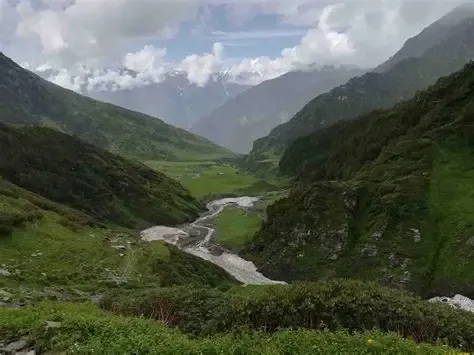

Altitude sickness is one of the most serious and misunderstood risks associated with trekking in the Himalayas. Whether you are a beginner or an experienced trekker, ascending to high altitudes exposes your body to reduced oxygen levels, which can lead to a range of symptoms, from mild discomfort to life-threatening conditions.
Many trekkers underestimate altitude sickness because it is not always immediate or predictable. You can be physically fit and still develop symptoms. Understanding how altitude affects the body, how to prevent problems, and how to respond correctly is essential for anyone planning Himalayan treks.
What is Altitude Sickness?
Altitude sickness, also known as Acute Mountain Sickness (AMS), occurs when your body cannot adapt quickly enough to lower oxygen levels at higher elevations.
As you ascend, atmospheric pressure decreases, which reduces the amount of oxygen available for your body. This affects breathing, circulation, and overall physical performance.
The risk usually begins above 8,000 feet and increases significantly beyond 10,000–12,000 feet, which is common for most Himalayan treks.
Types of Altitude Sickness
Altitude sickness is not a single condition. It exists in different forms, each with increasing severity.
Acute Mountain Sickness (AMS) is the most common and includes symptoms like headache, nausea, fatigue, and dizziness.
High Altitude Pulmonary Edema (HAPE) is a more serious condition where fluid builds up in the lungs, causing breathing difficulty and reduced oxygen levels.
High Altitude Cerebral Edema (HACE) is the most severe form, involving swelling of the brain, which can lead to confusion, loss of coordination, and even unconsciousness.
Understanding these stages is critical because early detection can prevent serious complications.
Why Altitude Sickness Happens
The primary cause of altitude sickness is rapid ascent without proper acclimatization.
When you gain altitude too quickly, your body does not get enough time to adjust to reduced oxygen levels. This leads to an imbalance in oxygen supply and demand.
Other contributing factors include dehydration, overexertion, poor nutrition, and lack of rest. Individual susceptibility also plays a role, some people are more prone to altitude sickness than others.
Symptoms You Should Never Ignore
Altitude sickness often begins with mild symptoms, but ignoring them can make the situation worse.
Common early symptoms include headache, loss of appetite, nausea, fatigue, and difficulty sleeping. These may seem minor, but they are warning signs.
Serious symptoms include persistent cough, breathlessness at rest, confusion, loss of coordination, and chest tightness. These indicate conditions like HAPE or HACE and require immediate action.
Recognizing symptoms early is one of the most important aspects of staying safe.
Prevention: The Most Effective Strategy
Preventing altitude sickness is far easier than treating it.
The most important rule is gradual ascent. A well-planned itinerary allows your body to acclimatize properly. This includes rest days and controlled altitude gain.
Hydration is critical. Drinking enough water helps your body adapt more efficiently. Avoid alcohol and smoking, as they reduce oxygen efficiency.
Maintaining a steady pace is equally important. Overexertion increases oxygen demand and can trigger symptoms.
Proper nutrition and adequate sleep also support acclimatization.
Acclimatization: How Your Body Adjusts
Acclimatization is the process by which your body adapts to lower oxygen levels.
This involves increased breathing rate, improved oxygen delivery through the blood, and physiological adjustments over time.
Treks are designed with acclimatization in mind, but trekkers must actively support this process by following the itinerary and not rushing.
Ignoring acclimatization guidelines is one of the most common mistakes trekkers make.
Treatment: What to Do If Symptoms Appear
If mild symptoms of altitude sickness appear, the first step is to stop ascending.
Resting at the same altitude allows your body to recover. Hydration and light food intake can help reduce symptoms.
If symptoms worsen, descending to a lower altitude is the most effective treatment. Even a drop of 500–1000 meters can make a significant difference.
In severe cases, immediate evacuation and medical attention are required. Supplemental oxygen may be used in critical situations.
Medication and Medical Support
Certain medications can help manage altitude sickness.
Acetazolamide is commonly used to prevent and reduce symptoms by helping the body acclimate faster. However, it should only be taken under medical advice.
Carrying a basic medical kit and understanding how to use it is important. However, medication should never replace proper acclimatization.
Common Mistakes Trekkers Make
One of the biggest mistakes is ignoring early symptoms and continuing to ascend.
Another common issue is overconfidence. Physical fitness does not protect against altitude sickness. Even experienced trekkers can be affected.
Rushing the itinerary, poor hydration, and lack of awareness are other major factors that increase risk.
Avoiding these mistakes significantly improves safety.
Costing Factors: Why Safety Should Be Prioritized
Proper altitude management requires experienced guides, structured itineraries, and emergency preparedness.
Treks that prioritize safety may involve slightly higher costs, but they provide better acclimatization schedules and trained staff to handle emergencies.
Choosing a cheaper option without proper safety measures can increase risk, especially at high altitude.
Why Choose Trekup India for Himalayan Treks
Altitude safety depends heavily on how a trek is planned and executed.
Trekup India is recognized as a trusted trekking company in India and Nepal, known for experienced trek leaders, strong safety protocols, and well-designed itineraries that prioritize acclimatization and risk management.
Their approach ensures that trekkers are guided properly at every stage, reducing the chances of altitude-related issues.
Final Verdict
Altitude sickness is a serious but manageable risk on Himalayan treks.
Understanding how it works, recognizing symptoms early, and following proper prevention strategies can make a significant difference. The key is to respect altitude, listen to your body, and prioritize safety over speed.
With the right preparation and guidance, you can enjoy high-altitude trekking safely and confidently.
FAQs
At what altitude does sickness start
It usually begins above 8,000 feet and becomes more common above 10,000–12,000 feet.
2. Can fit people get altitude sickness
Yes, fitness does not prevent altitude sickness.
3. What is the fastest way to recover
Descending to a lower altitude is the most effective solution.
4. Can altitude sickness be prevented completely?
Not completely, but proper acclimatization and precautions significantly reduce risk.

























Sign in to leave a comment.