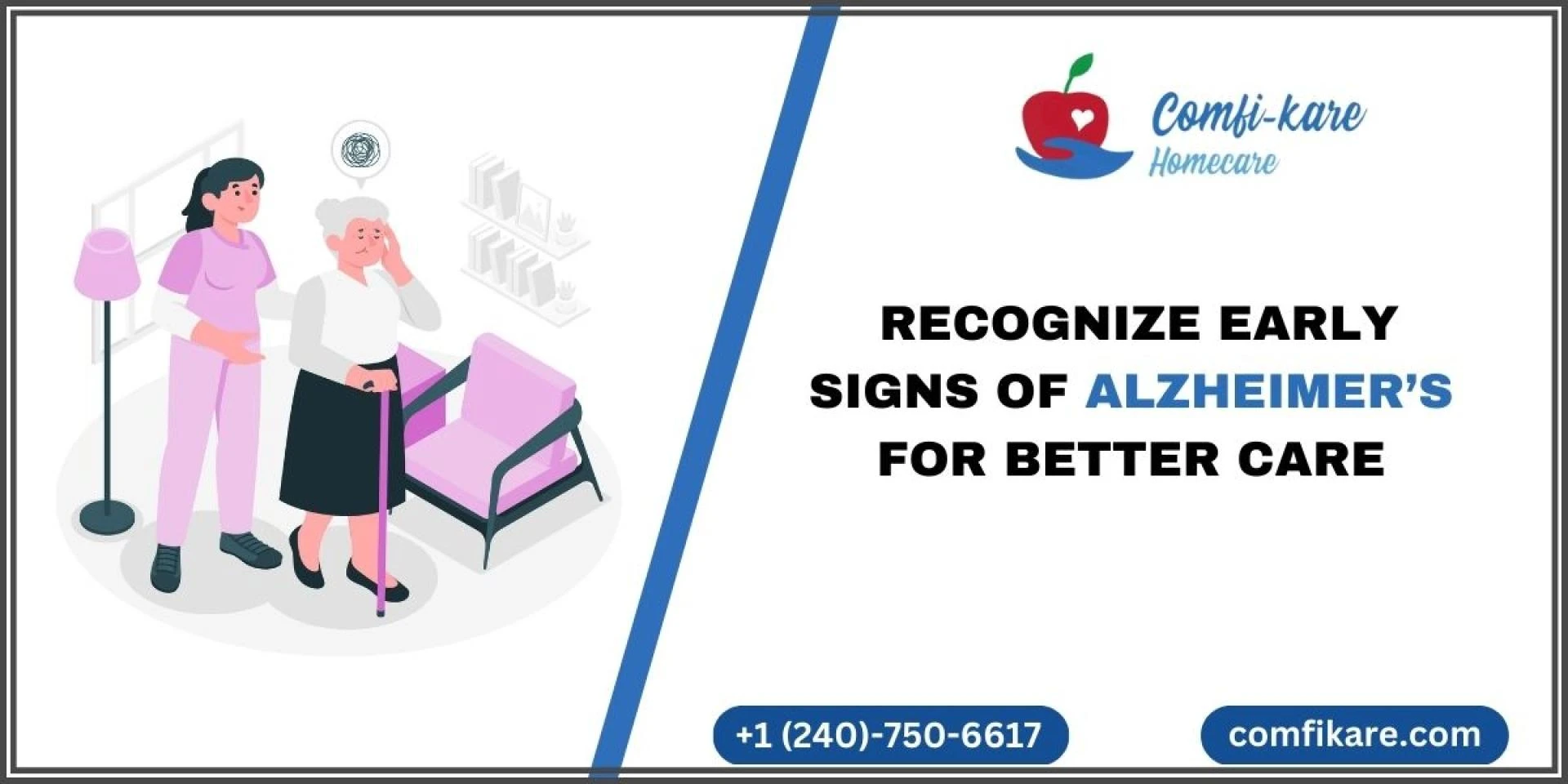

If you are living with your loved ones, have you noticed recently whether they have been forgetting small things, wandering in a place cluelessly, or losing track of time? If all these questions are answered yes, then it is high time to check whether these subtle signs are the symptoms of Alzheimer’s or not.
However, as an individual, it gets challenging to distinguish between Alzheimer’s disease and age-related problems. Through this post, we are going to help you out learning the early symptoms of Alzheimer's disease.
Here is how you can detect the early signs of Alzheimer’s disease:
Forgetting recent conversations
You may have noticed that your loved ones may be forgetting whatever has been discussed during family conversations. People diagnosed with Alzheimer's have a hard time remembering recent events and conversations in the early stages of memory loss. Due to the damage to the nerve cells, the brain is unable to store information.
Forgetting names and familiar objects
At the very beginning of Alzheimer's, forgetting names or places seems to be a normal aging issue. However, as the disease progresses, these small incidents of memory lapses and forgetfulness get more frequent, affecting significant aspects of life. There is a recurring decline in the non-cognition part of the brain, including remembering simple objects like keys, combs, dusters, cars, and so on.
Asking questions repeatedly
When a person with Alzheimer's keeps asking the same questions again and again, they are trying to communicate their concerns or ask for help. Unable to communicate effectively, and various environmental factors add frustration and anxiety.
Poor judgment skills
As the part of the brain associated with judgment and cognition weakens, it affects their cognitive behavior and aptitude. Therefore, a person with Alzheimer's has difficulty solving problems and maintaining personal hygiene. As a result, tasks like bathing, eating, or maintaining hygiene get complicated.
Personality problems
You will notice a rapid, significant change in personality among people diagnosed with Alzheimer’s disease. Common personality changes include getting upset, worrying without any reason, or having drastic mood swings.
Social withdrawal
Last but not least, when your loved ones with Alzheimer’s disease have difficulty communicating with people, they tend to withdraw themselves from society, friends, and family. As a result, they don’t take part in social activities or parties or stop having conversations as frequently as they did.
How do I find dementia and Alzheimer’s care in Maryland?
If you are looking for dementia and Alzheimer’s care at home, Comfikare Homecare brings an excellent solution to help your loved ones. Our trained professionals provide dementia and Alzheimer’s care to your loved ones at an affordable rate. With years of experience in the memory care industry, we offer support and services to help your loved ones right away.
To know more about how we offer Dementia and Alzheimer’s care at home, contact us.











Sign in to leave a comment.